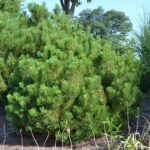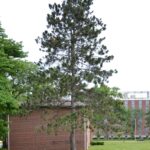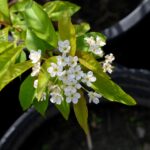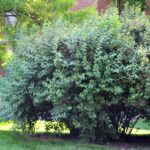
Tree Pinus resinosa [Red Pine] Forms a decent screen when young, especially on poor, dry soils, but soon drops lowers limbs necessitating the need of companion plants to complete the screen. Develops a shorter, thicker trunk when grown in the open. Pine bud moth (as well as other moths) can be problem if not controlled. Foliage presentation not always full or clearly esthetic. Best in groves or plantations where bark color can be admired.
Tree Indiana Native Prunus pensylvanica [Pin Cherry] Pin or Wild Red Cherry is a slender, small shrub-like tree that is native to Indiana. Often seen as a pioneer species, Pin Cherry can be seen to develop in vacant areas. Its bark is shiny, red in color, and often aromatic when brusied or cut. P. pensylavnica produces a large amount of fruit when fully mature, which could promote weediness.
Shrub/Tree Indiana Native Prunus virginiana [Common Chokecherry] The Common Chokecherry can be a suckering small tree or large shrub that produces fragrant white racemes followed by small, purple-black cherries. These fruits can be used for pies, jellies, and jams (do not eat fresh). Suckers must be immediately removed to control growth.
Tree Prunus virginiana 'Canada Red' [Canada Red Chokecherry] Feature throughout the season due to its striking colored fruit and foliage.
Shrub Ribes alpinum [Alpine Currant] Dioecious (male clones used mostly because these are thought to be rust resistant). Quite resistant to white pine blister rust, whereas other Ribes are not. Many insects and diseases. Flowers not showy and fruits not edible.
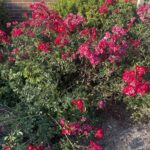
Shrub Rosa rugosa [Rugosa Rose] Widely adapted to soils and exposures, but especially good in full sun on dry soils. Relatively trouble-free among roses, even resists the common rose pathogens and phytopagous insects. The hips (rose fruits) are a rich source of vitamin C and used commercially in teas. Can get borers in canes (rarely). Good cultural practices are important for roses in order to prevent disease and other pests. Avoid wetting the foliage when watering, place the plant in…
Shrub Indiana Native Salix exigua [Coyote Willow] Salix exigua is frost tolerant and dioecious. Spreads by small seeds through the wind or water and has an extensive root system caused by abundant suckering. It is great in moist soils or stream bottoms to help prevent soil erosion.
Shrub Sorbaria sorbifolia [Ural Falsespirea] Coarse texture and unusual spirea-like flowers give this plant unique summer interest. Best in large-scale situations. Spreads vigorously by suckering if not contained. Intensive root pruning can be used to control spread. Does not do the best in dry soils but does tolerate them. Does poorly in heavy wind. Flowers turn brown with senescence and esthetic is slightly improved by their removal. To some, a bit too coarse in winter habit.