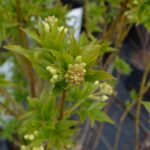
Tree Audio Recording AvailablePurdue Plant Doctor Available Syringa reticulata 'Ivory Silk' [Ivory Silk Japanese Tree Lilac] The Ivory Silk Japanese Tree Lilac is a very hardy and showy tree, great choice for a specimen tree. Attractive, cherry-like mahogany-colored bark, which is distinctly different from all other lilacs. Widely adapted to soils and environments, Ivory Silk Japanese Tree Lilac can be a great choice for those difficult areas in the landscape. Cut to ground to rejuvenate completely. Some consider the beautiful creamy white flowers to be malodorous, like a privet. Audio Recording AvailablePurdue Plant Doctor Available
Shrub/Tree Purdue Plant Doctor Available Syringa sp. [Lilac] The Lilac genus, Syringa, is composed of over 20 species and numerous cultivars and variants of shrubs to small trees. The most well-known feature of lilacs is their showy, many times fragrant, flower panicles. Lilacs prefer cooler climates. Leggy plants can be rejuvenated by a hard pruning in the winter, with less intensive maintenance pruning after flowering. Can be affected by powdery mildew, leaf spot, borers, and blight. Purdue Plant Doctor Available
Shrub Audio Recording AvailablePurdue Plant Doctor Available Syringa vulgaris [Common Lilac] A difficult species to use in a functional way. Best for seasonal color and fragrance in the border or as an occasional specimen. Deadheading can promote flowering and prevent alternate bearing. Will get leggy without pruning (prune on a 3-year cycle). Powdery mildew is an increasingly serious problem the further south this is planted in its hardiness zone. Grows better in colder climates. Audio Recording AvailablePurdue Plant Doctor Available
Shrub Audio Recording AvailablePurdue Plant Doctor Available Syringa vulgaris 'Congo' [Congo Lilac] A difficult species to use in a functional way. Best for seasonal color and fragrance in the border or as an occasional specimen. Deadheading can promote flowering and prevent alternate bearing. Will get leggy without pruning (prune on a 3-year cycle). Powdery mildew is an increasingly serious problem the further south this is planted in its hardiness zone. Grows better in colder climates. Audio Recording AvailablePurdue Plant Doctor Available
Shrub Audio Recording AvailablePurdue Plant Doctor Available Syringa vulgaris 'Marie Legraye' [Marie Legraye Lilac] A difficult species to use in a functional way. Best for seasonal color and fragrance in the border or as an occasional specimen. Deadheading can promote flowering and prevent alternate bearing. Will get leggy without pruning (prune on a 3-year cycle). Powdery mildew is an increasingly serious problem the further south this is planted in its hardiness zone. Grows better in colder climates. Audio Recording AvailablePurdue Plant Doctor Available
Shrub Audio Recording AvailablePurdue Plant Doctor Available Syringa vulgaris 'May Day' [May Day Lilac] A difficult species to use in a functional way. Best for seasonal color and fragrance in the border or as an occasional specimen. Deadheading can promote flowering and prevent alternate bearing. Will get leggy without pruning (prune on a 3-year cycle). Powdery mildew is an increasingly serious problem the further south this is planted in its hardiness zone. Grows better in colder climates. Audio Recording AvailablePurdue Plant Doctor Available
Shrub Audio Recording AvailablePurdue Plant Doctor Available Syringa vulgaris 'Sensation' [Sensation Lilac] A difficult species to use in a functional way. Best for seasonal color and fragrance in the border or as an occasional specimen. Deadheading can promote flowering and prevent alternate bearing. Will get leggy without pruning (prune on a 3-year cycle). Powdery mildew is an increasingly serious problem the further south this is planted in its hardiness zone. Also affected by blights, leaf spots, borers, scale, and other diseases and pests. Grows better in colder… Audio Recording AvailablePurdue Plant Doctor Available
Shrub/Tree Purdue Plant Doctor Available Thuja occidentalis 'Golden Globe' [American Arborvitae] Dwarf cultivar with a dense globe like form and golden-yellow foliage. Avoid sites prone to heavy wind exposure. Purdue Plant Doctor Available
Tree Audio Recording AvailablePurdue Plant Doctor Available Tilia americana 'Redmond' [Redmond American Linden] Very adaptable, even in alkaline soil, but does not tolerate much air pollution. Too big for most urban landscapes. Japanese beetles like feeding on it. Audio Recording AvailablePurdue Plant Doctor Available
Tree Audio Recording AvailablePurdue Plant Doctor Available Tilia cordata [Littleleaf Linden] Never colorful, but a good shade tree that is well-adapted to most city conditions and relatively troublefree. Functions as a small tree for many years. Japanese beetles can feed heavily on foliage beginning in mid-summer. Audio Recording AvailablePurdue Plant Doctor Available