Habit
The general shape of a plant. This term helps explain how a plant grows, survives, spreads, or fits into its habitat.
Did you know?
Knowing mature habit helps gardeners avoid planting a wide-spreading shrub too close to sidewalks or buildings.
This glossary definition is part of the Purdue Arboretum learning resource database, providing educational information on campus flora, morphology, and botanical terminology.
Habit
The general shape of a plant. This term helps explain how a plant grows, survives, spreads, or fits into its habitat.
Did you know?
Knowing mature habit helps gardeners avoid planting a wide-spreading shrub too close to sidewalks or buildings.
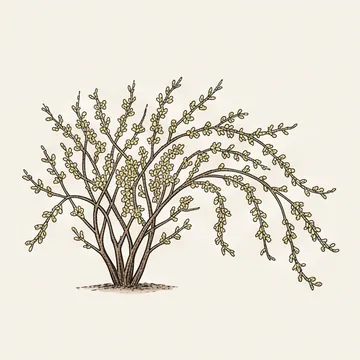
Long stems rise from the base, then bend outward and down at the tips, like a fountain.
e.g., Forsythia
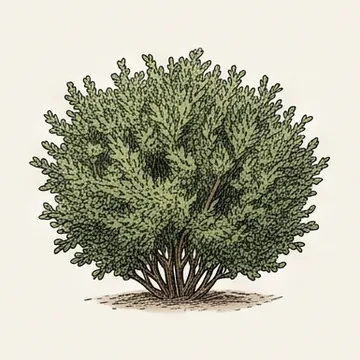
Dense and rounded, with many branches from low down and leaves reaching nearly to the ground.
e.g., Boxwood
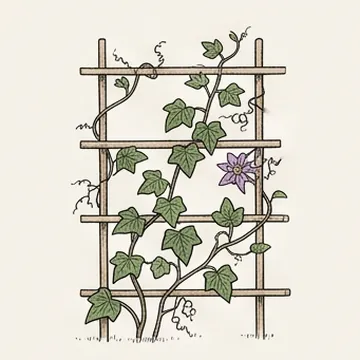
Grows up a wall, trellis or other plant, holding on with tendrils, twining stems or aerial roots.
e.g., Ivy, Clematis
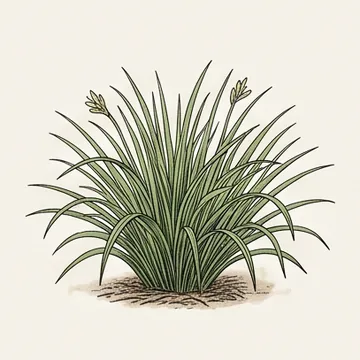
A tight, slowly widening clump of stems or leaves from one crown, without runners.
e.g., Daylily
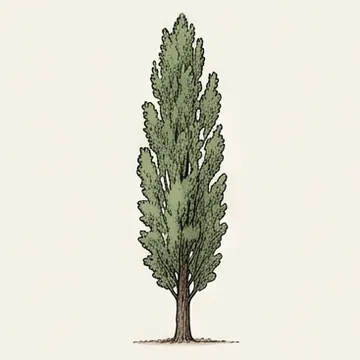
More narrow than wide. Usually with a height to width ration of 5-to-1 or greater.
e.g., Lombardy Poplar
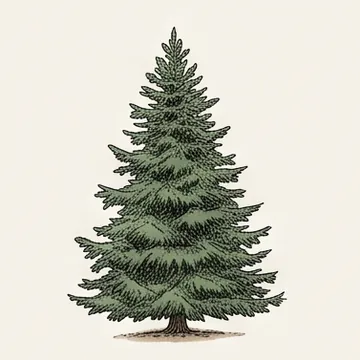
Cone shaped
e.g., Spruce
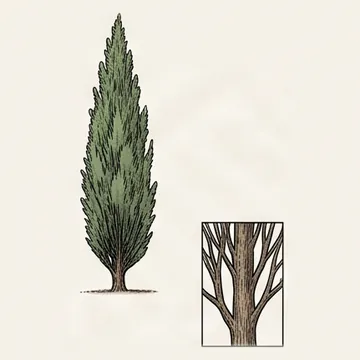
Having an upright branching habit. Sometimes the upward sloping branches can look like they’re part of a single column.
e.g., Irish Yew
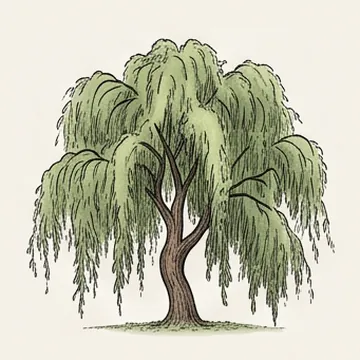
Branches and branchlets hang downward, often to the ground, like a curtain.
e.g., Weeping Willow
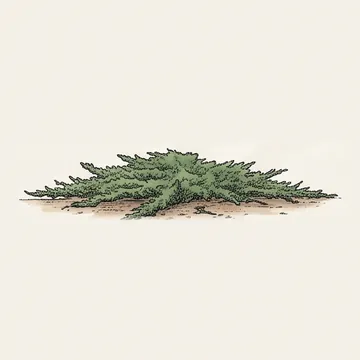
Grows flat along the ground, spreading outward rather than up; stems often root where they touch soil, forming a mat.
e.g., Creeping Juniper
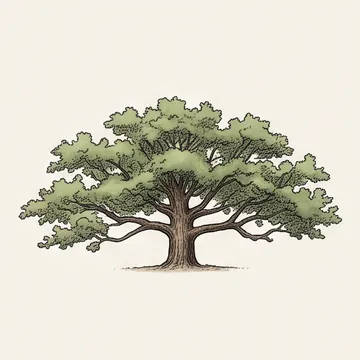
Strong limbs reach out horizontally, making a crown as wide as the plant is tall, or wider.
e.g., Oak
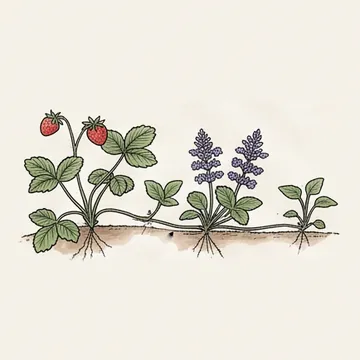
Spreading by means of stolons (horizontal stems) and shoots that grow along or under the ground at the ends of which new plants can sprout.
e.g., Strawberry, Bugleweed
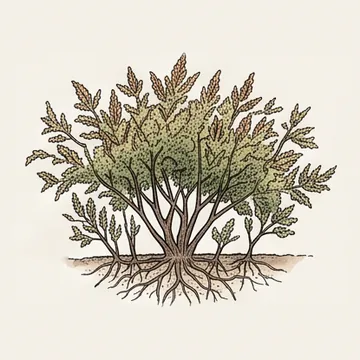
Sends up new shoots (suckers) from the roots or base, spreading into a thicket or colony.
e.g., Sumac
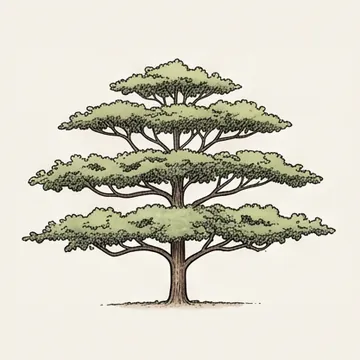
Branches grow in distinct horizontal layers, one above another, with open space between.
e.g., Pagoda Dogwood
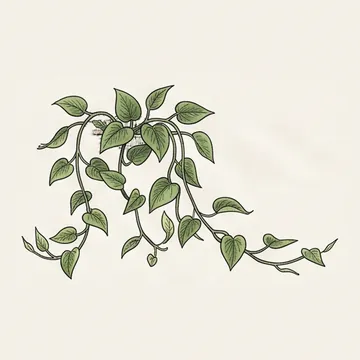
Long, loose stems drape downward or sprawl without rooting at the nodes.
e.g., Periwinkle (Vinca)
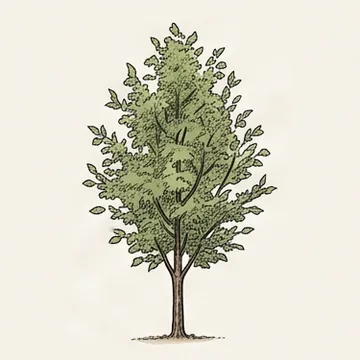
Main branches angle upward at about 30–45°, making a crown taller than wide but not narrow.
e.g., Japanese Zelkova
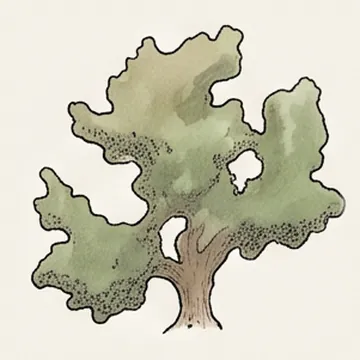
A form none of the above describes, such as irregular or sculptural.


The Purdue Arboretum is a collaboration between the Department of Horticulture and Landscape Architecture and Administrative Operations