Synonyms:
Clamberings, climbing
Clambering Vinelike, climbing. This term helps explain how a plant grows, survives, spreads, or fits into its habitat.

Purdue Arboretum botanical terminology reference and learning database.
Clambering Vinelike, climbing. This term helps explain how a plant grows, survives, spreads, or fits into its habitat.
Endemic Native only to a particular region. This term helps explain how a plant grows, survives, spreads, or fits into its habitat. Did you know? Endemic plants are conservation priorities because they naturally occur in only one region of the world.
Espalier A tree or shrub that has been pruned so that its branches lie flat against a wall, fence, or trellis
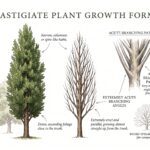
Fastigiate Having close, erect, almost parallel branches that give a narrow, columnar, or spire-like appearance . This term helps explain how a plant grows, survives, spreads, or fits into its habitat. Did you know? Fastigiate trees are useful in narrow spaces because they grow upright and column-like rather than spreading wide.
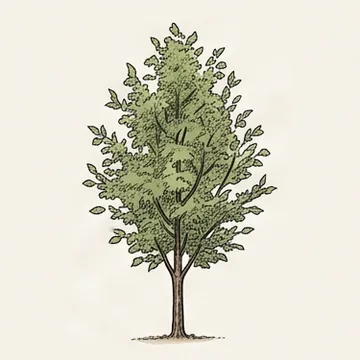
Habit The general shape of a plant. This term helps explain how a plant grows, survives, spreads, or fits into its habitat. Did you know? Knowing mature habit helps gardeners avoid planting a wide-spreading shrub too close to sidewalks or buildings.
Habitat The type of place or environment in which a plant grows wild
invasive Invasive plants have the potential to cause environmental, human health, or financial harm. However, this is a broad category that could contain native plants that can become problematic in optimal conditions. Did you know? Japanese knotweed is so aggressive that it can damage pavement, building foundations, and streambanks.
Mesic Moist. This term helps explain how a plant grows, survives, spreads, or fits into its habitat.
Pleaching A formal technique for training trees or shrubs in which the branches are interwoven and plaited together to form a hedge or arbor
Pollarding A pruning technique in which the main limbs of a tree are cut back each year to very short stubs


The Purdue Arboretum is a collaboration between the Department of Horticulture and Landscape Architecture and Administrative Operations