Tree Indiana Native Pinus virginiana [Virginia Pine] Native to some of the eastern part of the United States, Virginia pine is found in two southeastern Indiana counties along the Ohio river.
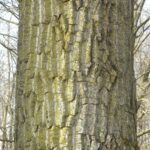
Tree Indiana Native Populus deltoides [Eastern Cottonwood] Populus deltoides is a large, fast-growing tree that is not generally advised for use in the landscape. This plant is weak-wooded, weedy, and a litter problem, dropping twigs, flowers, branches, leaves, and fruits (the cottony masses that float through the air in early summer). In the wild, it tends to grow along streams, rivers, and other moist areas. Susceptible to many pests and diseases, especially canker.
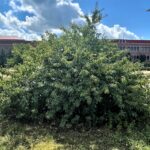
Shrub/Tree Indiana Native Prunus americana [American Red Plum] Common shrub or small tree, often forming large colonies along roadsides, in waste areas, and other uncultivated habitats.
Tree Robinia pseudoacacia 'Purple Robe' [Purple Robe Locust] This cultivar is note worthy due to is deep pink-violet flowers that have a strong sweet smelling fragrance. It is advertised to be relatively thornless.
Shrub InvasiveThis plant is considered invasive Rosa multiflora [Multiflora Rose] Highly invasive. Multiflora rose was imported from Eastern Asia in the late 1700s as an ornamental, in erosion control, and as a living fence. his bush forms dense strands that interfere with other woody species and replaces native plants on forest edges. In Indiana, it is illegal to move, plant, or distribute multiflora rose without a permit, according to DNR DEPP Admin code 312 IAC 18-3-13. It is designated a noxious weed in several states…
Shrub Indiana Native Salix exigua [Coyote Willow] Salix exigua is frost tolerant and dioecious. Spreads by small seeds through the wind or water and has an extensive root system caused by abundant suckering. It is great in moist soils or stream bottoms to help prevent soil erosion.
Tree Indiana Native Salix nigra [Black Willow] The Black Willow is a fast-growing, wet soils tolerant tree, reaching 30 to 60 feet at maturity. Can sucker profusely, so use sparingly in the landscape. In the wild, you can find Salix nigra near floodplains, streams and rivers, and marshes. The ancient Greeks knew the therapeutic values of willow (Salix) and brewed tea made from willow bark to relieve stiff joints and other bodily aches and pains. A number of insect species attack the…
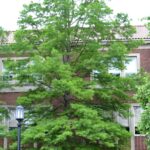
Tree Indiana Native Taxodium distichum [Common Baldcypress] Nice planted in groupings around water. Develops cypress knees (possibly for gas exchange), but generally only near water.
Tree Ulmus 'New Horizon' [New Horizon Elm] Know to be a compact cultivar, rapid grower, and resistant to Dutch elm disease.
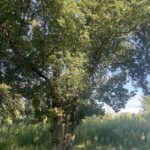
Tree Indiana Native Ulmus rubra [Slippery Elm] The Slippery Elm has a vase-shaped form, similar to that of the American Elm (Ulmus americana), but with more ascending branchlets. This tree gained its common name from the moist, slippery, red inner bark chewed by Native Americans and pioneers to quench thirst. Not considered very ornamental for the landscape, due to its coarse texture, weedy tendencies, and susceptibility to Dutch Elm Disease (although not as severe as the American Elm).