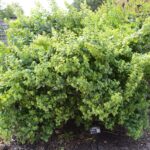
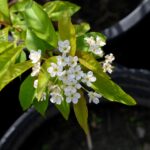
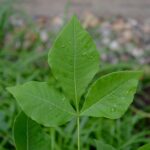
Shrub Indiana Native Audio Recording AvailablePurdue Plant Doctor Available Symphoricarpos albus [Common Snowberry] Useful as a bank cover or large scale groundcover. Transplants well. This plant has a beautiful fruit show and is shade tolerant, however, it is also a twiggy, "garbage can plant" (collects leaves and blowing debris); this quality (especially prominent in the fall and winter) limits its usability in the landscape. Indiana NativeAudio Recording AvailablePurdue Plant Doctor Available
Shrub Indiana Native ID That Tree Video AvailablePurdue Plant Doctor Available Symphoricarpos orbiculatus [Coralberry] Indiana NativeID That Tree Video AvailablePurdue Plant Doctor Available
Shrub/Tree Purdue Plant Doctor Available Syringa sp. [Lilac] The Lilac genus, Syringa, is composed of over 20 species and numerous cultivars and variants of shrubs to small trees. The most well-known feature of lilacs is their showy, many times fragrant, flower panicles. Lilacs prefer cooler climates. Leggy plants can be rejuvenated by a hard pruning in the winter, with less intensive maintenance pruning after flowering. Can be affected by powdery mildew, leaf spot, borers, and blight. Purdue Plant Doctor Available
Herbaceous Purdue Plant Doctor Available Tiarella cordifolia 'Running Tapestry' [Running Tapestry Foamflower] Purdue Plant Doctor Available
Tree Indiana Native Audio Recording AvailableID That Tree Video AvailablePurdue Plant Doctor Available Tilia americana [American Linden] Very adaptable, even in alkaline soil, but does not tolerate much air pollution. Too big for most urban landscapes. Japanese beetles like feeding on it. Indiana NativeAudio Recording AvailableID That Tree Video AvailablePurdue Plant Doctor Available
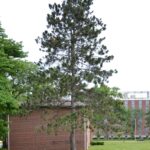
Tree Purdue Plant Doctor Available Tilia tomentosa ‘Sterling’ [Sterling Linden] Tilia tomentosa 'Sterling' shows some resistance to Japanese beetle. Purdue Plant Doctor Available
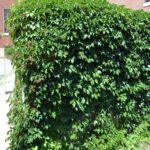
Liana (Climbing Vine) InvasiveThis plant is considered invasive ID That Tree Video Available Toxicodendron radicans [Poison Ivy] Do not touch any part of a poison ivy plant. All parts of the plant contain volatile oils that can cause significant skin irritation on direct or indirect contact. Eliminate plants with herbicides. ID That Tree Video Available
Shrub Indiana Native Audio Recording AvailableID That Tree Video AvailablePurdue Plant Doctor Available Viburnum acerifolium [Mapleleaf Viburnum] The Mapleleafe Viburnum is a shade and drought tolerant plant that is excellent for naturalizing. Tolerant to the poison excreted by Black Walnuts. Indiana NativeAudio Recording AvailableID That Tree Video AvailablePurdue Plant Doctor Available
Shrub Indiana Native Audio Recording AvailablePurdue Plant Doctor Available Viburnum dentatum [Arrowwood Viburnum] Can look ragged in dry soil. Flowers malodorous to some. Attractive to birds. Name derived from Native American use of strong sucker shoots for arrow shafts. The most durable of viburnums. Serves as a nice neutral background shrub. Indiana NativeAudio Recording AvailablePurdue Plant Doctor Available
Shrub Purdue Plant Doctor Available Viburnum dilatatum 'Erie' [Erie Linden Viburnum] Purdue Plant Doctor Available