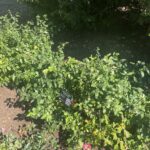
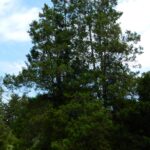
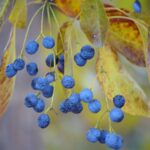
Shrub/Tree Indiana Native Cornus racemosa [Gray Dogwood] The Gray Dogwood is a tough, suckering, deciduous shrub that is native to Indiana and is noted for its small, white flower clusters, white fruits, and persisting red fruit pedicels. Tolerates poor soils (including wet soils), drought, full sun, full shade, and air pollution. Suckers can become a problem if not controlled.
Shrub Cornus sanguinea 'Midwinter Fire' [Midwinter Fire Bloodtwig Dogwood] 'Midwinter Fire' is a suckering shrub that is notable for its yellow winter twigs that are tipped in red and golden fall foliage. Grows well in a variety of situations, including alkaline soil. Easy to transplant. Relatively trouble-free. A three-year pruning cycle improves form, vigor, and winter stem color effect. Cutting all stems 6-12" from ground in late winter has similar effect. Best in mass plantings. Excellent for winter color.
Shrub Cornus sericea 'Kelseyi' [Dwarf Redosier Dogwood] 'Kelseyi' is a dense dwarf shrub that has red twigs all year round. The stem color is not as strong as that of the species type, but is still attractive. Grows well in a variety of situations, including wet soil. Easy to transplant. Relatively trouble-free. A three-year pruning cycle improves form, vigor, and winter stem color effect. Cutting all stems 6" from ground in late winter has similar effect. Best in mass plantings. Good for…
Shrub Indiana Native Corylus americana [American Hazelnut] The American Hazelnut is a medium to fast growing shrub and an Indiana native. Being monoecious, the male catkins are 1 1/2 to 3" long, that emerge yellowish brown and are quite showy in early spring. The female catkins are inconspicuous with its stigma and style barely protruding out of the buds, but the color is a rich red. The American Hazelnut is a great large shrub for native restoration projects or adding seasonal interest…
Tree Corylus colurna [Turkish Filbert] Horizontal branch structure (with lower branches often touching the ground), strong central leader, and bark give good winter character. Does great in hot summers and cold winters, very adaptable. Quite drought tolerant after establishment, leaves stay green when maples scorch. Needs supplemental water immediately after transplanting and until established. Otherwise drought tolerant. Nuts are edible and can be roasted.
Shrub/Tree Cotinus × 'Grace' [Grace Smokebush] 'Grace' has become a popular cultivar with its purple emerging leaves and giant panicles of smokey, pink flowers. The "flowers" are actually misty fruiting panicles that give the species its name. The fine-textured hairs on the fruit pedicels and peduncles change colors, being best when tinted smoky pink. Can be pruned to low framework each year to promote plant coloration which occurs best on vigorous stems.
Tree Indiana Native Crataegus viridis [Green Hawthorn] An attractive small tree with beautiful white flower corymbs and bright red persistent fruits. Very adaptable, although leaves are often badly infected by rust so that the entire plant appears to be suffering from the measles.
Tree Crataegus viridis 'Winter King' [Winter King Green Hawthorn] An attractive, nearly thornless vase-shaped small tree with beautiful white flower corymbs and large, bright red persistent fruits. This cultivar was discovered in a fence row by Bob Simpson in Vincennes, Indiana. Very adaptable, although leaves are often badly infected by rust so that the entire plant appears to be suffering from the measles.
Shrub Indiana Native Dasiphora fruticosa [Bush Cinquefoil] Extreme hardiness and long season of bloom make this a favorite in severe climates. Low stature and tolerance of poor, dry soils give it added usefulness in other areas also. Can develop a ragged, unkept habit over time. Remove 1/3 of canes each year (3-year pruning cycle), and consider renewal pruning to a very low framework every 3-5 years if needed.