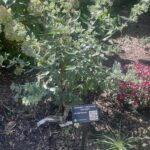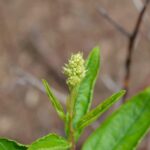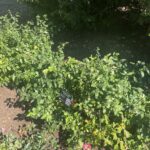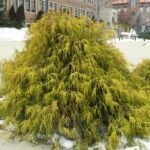
Tree Indiana Native Diospyros virginiana [Common Persimmon] Most are usually dioecious and have a deep tap root which makes large plants difficult to transplant. Flowers attract bees while the fruit attracts birds and many mammals. The fruit is astringent when green, sweet and edible when ripe. Fruits, twigs, and leaves can be a littler problem.
Tree Diospyros virginiana 'Meader' [Meader Persimmon] Most usually dioecious. Flowers attract bees. Fruit attracts birds and many mammals. The fruit is astringent when green, sweet and edible when ripe. Fruits, twigs, and leaves can be a littler problem. Deep tap root makes large plants difficult to transplant. Can be poisonous to horses. ‘Meader’ is a self-fertile cultivar usually producing fruit after 2-3 years.
Herbaceous Heliopsis helianthoides var. scabra 'Summer Sun' [sold as Summer Sun Rough Sunflower] [Summer Sun False Sunflower]
Shrub Juniperus chinensis 'Pfitzeriana' [Pfitzer Chinese Juniper] Extremely hardy spreading shrub known for its attractive foliage.
Shrub Ligustrum 'Vicaryi' [Golden Privet] Cross between L. ovalifolium 'Aureum' and L. vulgare. Vase-shaped habit and the leaves are golden yellow for the entire growing season.
Tree Indiana Native Maclura pomifera [Osage-orange] Withstands wind and dry conditions well. Used by farmers as a hedgerow for livestock fencing because of its thorniness. Highly deer resistant. Fruits are said to be an insect and rodent repellent. Extremely decay resistant wood, containing 1% by weight 2,3,4,5-tetrahydroxystilbene (a fungitoxic compound). Large fruits create litter problem; select staminate trees to avoid fruit (unless you believe the fruits are of interest). Due to invasive root system, do not plant near sewer or drainage…
Tree Malus sargentii 'Tina' [Tina Sargent Crabapple] 'Tina' is a dwarf form that has low spreading branches. It has small red fruits that attract birds and reddish-pink buds that turn into white flowers in the spring. This cultivar also has high disease resistance.
Shrub Physocarpus opulifolius 'SMNPOTW' [sold as Tiny Wine®] [Tiny Wine Ninebark] Tiny Wine Ninebark is noted for its features as it is interesting season round. The exfoliating bark on mature wood reveals red-brown inner bark, this is how the common name Ninebark was chosen as the color is ever changing.
Tree Pinus resinosa [Red Pine] Forms a decent screen when young, especially on poor, dry soils, but soon drops lowers limbs necessitating the need of companion plants to complete the screen. Develops a shorter, thicker trunk when grown in the open. Pine bud moth (as well as other moths) can be problem if not controlled. Foliage presentation not always full or clearly esthetic. Best in groves or plantations where bark color can be admired.