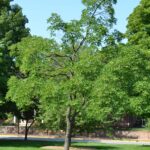
Tree Indiana Native Sassafras albidum [Common Sassafras] Roots sucker and form thickets, which may or may not be desirable. Sassafras tea contains safrole, a mild carcinogen banned in food products. Iron chlorosis in high pH can turn leaves yellow.
Shrub Spiraea japonica 'Little Princess' [Little Princess Spirea] Grows larger and faster than species
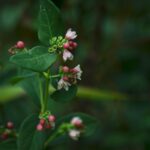
Shrub Indiana Native Symphoricarpos albus [Common Snowberry] Useful as a bank cover or large scale groundcover. Transplants well. This plant has a beautiful fruit show and is shade tolerant, however, it is also a twiggy, "garbage can plant" (collects leaves and blowing debris); this quality (especially prominent in the fall and winter) limits its usability in the landscape.
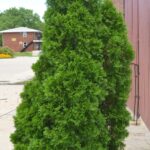
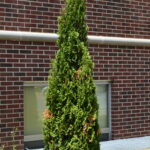
Tree Indiana Native Thuja occidentalis [Eastern Arborvitae] One of the best plants for screening in moist, well-aerated soils. Bagworms can be a problem. Subject to several other insect pests, all of which usually can be controlled with timely spraying. Deer may feed on foliage. Winter color can be poor.
Shrub/Tree Thuja occidentalis 'Golden Globe' [Golden Globe Arborvitae] Dwarf cultivar with a dense globe like form and golden-yellow foliage.
 Indiana Native