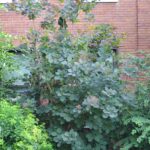
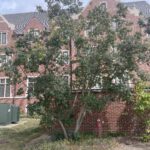
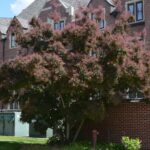
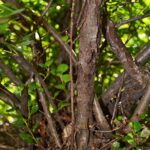
Shrub/Tree Audio Recording AvailablePurdue Plant Doctor Available Cotinus coggygria 'Purpureus' [Purpureus Smokebush] 'Purpureus' is known for its purple-pink fruiting panicles. Can be pruned to low framework each year to promote plant coloration which occurs best on vigorous stems. Misty fruiting panicles give the species its name. The fine-textured hairs on the fruit pedicels and peduncles change colors, being best when tinted smoky purple to pink. Audio Recording AvailablePurdue Plant Doctor Available
Shrub/Tree Purdue Plant Doctor Available Cotinus obovatus [American Smoketree] Cotinus obovatus can be a large shrub or small tree and is most noted for its extraordinary fall color and fluffy, smoke-like fruiting panicles. It is a tough plant, adapted to poor, rocky, limestone soils. Purdue Plant Doctor Available
Shrub/Tree Purdue Plant Doctor Available Cotinus × 'Grace' [Grace Smokebush] 'Grace' has become a popular cultivar with its purple emerging leaves and giant panicles of smokey, pink flowers. The "flowers" are actually misty fruiting panicles that give the species its name. The fine-textured hairs on the fruit pedicels and peduncles change colors, being best when tinted smoky pink. Can be pruned to low framework each year to promote plant coloration which occurs best on vigorous stems. Purdue Plant Doctor Available
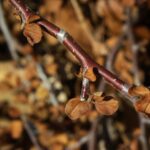
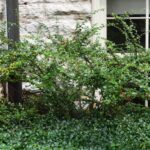
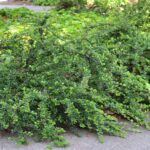
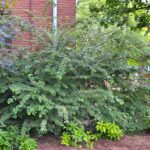
Shrub Audio Recording AvailablePurdue Plant Doctor Available Cotoneaster apiculatus [Cranberry Cotoneaster] An excellent groundcover for full sun in almost any soil, except that weeds encroach easily for the first few years. Use effective mulch. Subject to damage from fireblight occasionally, and from mites, especially in dry situations. Not tolerant of wet sites. Collects litter and leaves (in the fall), which are difficult to rake out. Audio Recording AvailablePurdue Plant Doctor Available
Shrub Purdue Plant Doctor Available Cotoneaster dammeri 'Coral Beauty' [Coral Beauty Bearberry Cotoneaster] 'Coral Beauty' is a fast-growing, prostrate (1-2' high), evergreen shrub that makes a good, quick-effect groundcover. It has excellent, glossy evergreen foliage and produces an abundance of coral-red fruits. Unfortunately its appearance tends to become ratty with age. Purdue Plant Doctor Available
Shrub Audio Recording AvailablePurdue Plant Doctor Available Cotoneaster divaricatus [Spreading Cotoneaster] One of the most ornamental and trouble-free of the cotoneasters, although subject to the troubles of Rosaceous plants on occasion. These include lacebugs, scale, mites, and fireblight, but they are not usually a serious problem. Audio Recording AvailablePurdue Plant Doctor Available
Shrub Audio Recording AvailablePurdue Plant Doctor Available Cotoneaster horizontalis [Rockspray Cotoneaster] C. horizontalis is a low, flat, dense shrub with horizontally spreading branches creating a tiered effect. A generally trouble-free cotoneaster, although can be subject to the troubles of Rosaceous plants on occasion. Fireblight is more problematic for this species in the South. Audio Recording AvailablePurdue Plant Doctor Available
Shrub Audio Recording AvailablePurdue Plant Doctor Available Cotoneaster multiflorus [Many-flowered Cotoneaster] Salt tolerant and pH adaptable, and has best appearance when grown as multi-stemmed and branching to the ground. Mites, aphids, canker, and fireblight can be problems in stressful sites. Audio Recording AvailablePurdue Plant Doctor Available
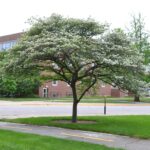
Tree Indiana Native Audio Recording AvailableID That Tree Video AvailablePurdue Plant Doctor Available Crataegus crus-galli [Cockspur Hawthorn] The strong horizontal branching is good for softening vertical lines of buildings. The 2-3" thorns can be dangerous, especially around children. Although attractive, some find the small, white flowers malodorous. Fireblight, leaf spot, and cedar-hawthorn rust are among the worst problems to affect this species. Japanese beetles like to feed on hawthorns. Indiana NativeAudio Recording AvailableID That Tree Video AvailablePurdue Plant Doctor Available
Tree Purdue Plant Doctor Available Crataegus crus-galli var. inermis 'Cruzam' [sold as Crusader™] [Crusader Thornless Cockspur Hawthorn] This variant of Cockspure Hawthorn is a thornless type. The strong horizontal branching is good for softening vertical lines of buildings. Although attractive, some find the small, white flowers malodorous. Fireblight, leaf spot, and cedar-hawthorn rust are among the worst problems to affect this species. Japanese beetles like to feed on hawthorns. Purdue Plant Doctor Available