

Additional Information
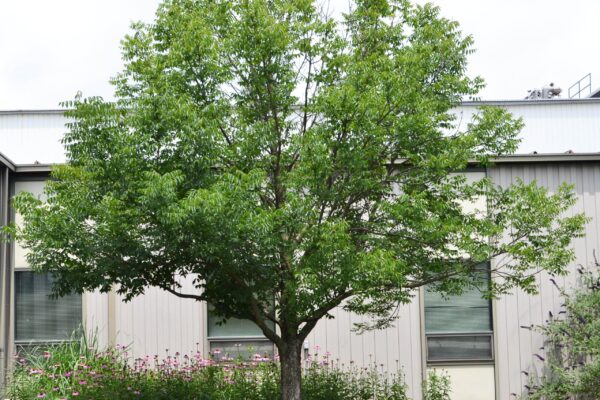
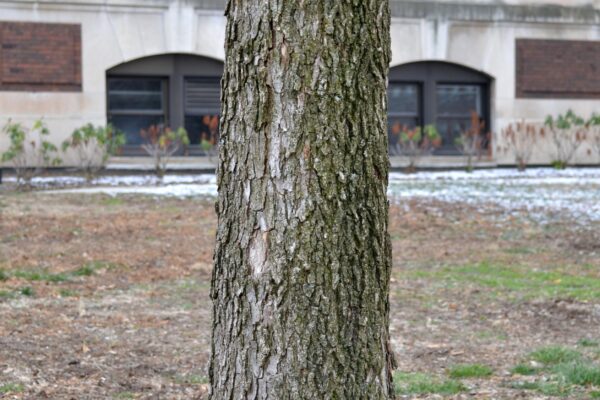
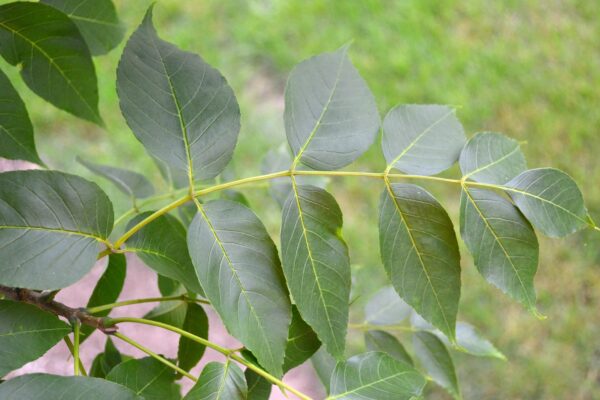
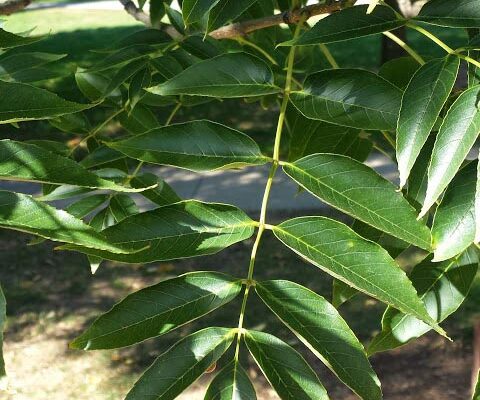
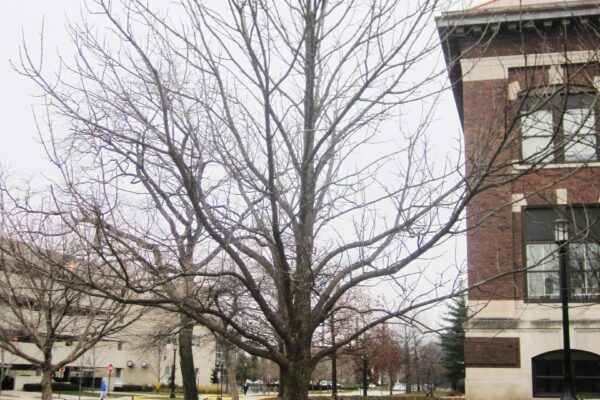
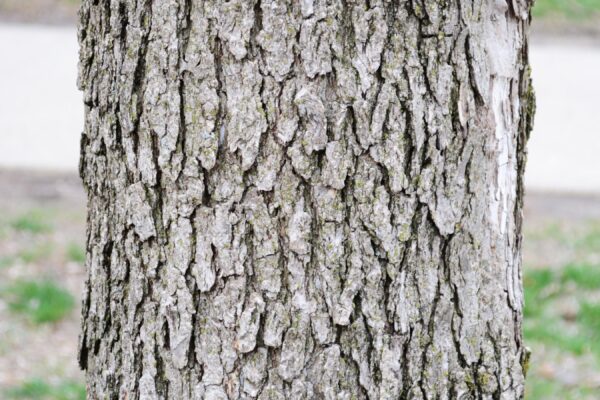
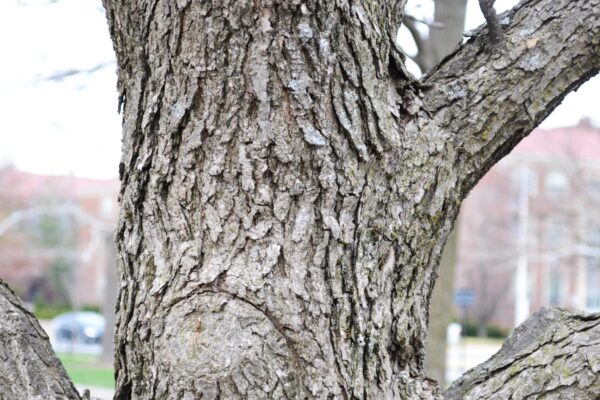
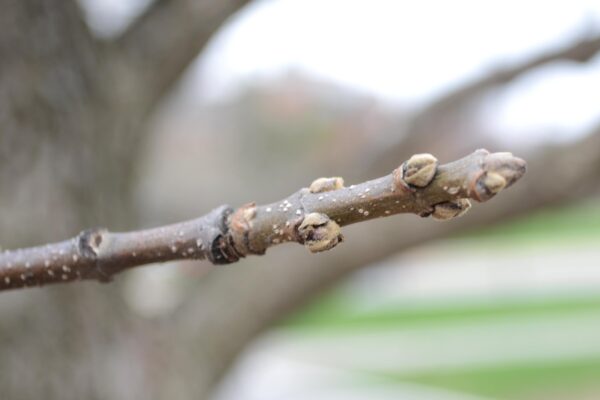
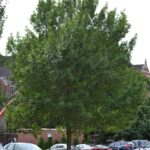
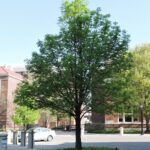
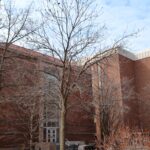
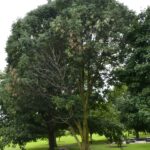
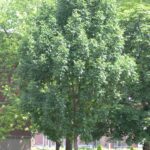
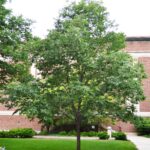
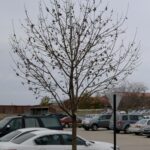
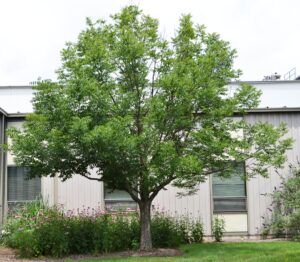
The Blue Ash earned its common name from the blue dye early Americans made from its inner bark, which contains a substance that turns blue when exposed to air. This tree is naturally found upland in dry, rocky limestone areas and is very drought-tolerant. As with all ashes, Fraxinus quadrangulata is extremely susceptible to the Emerald Ash Borer. Damage from this pest can be prevented with the imidacloprid soil drench method, but the annual treatment cost will eventually exceed the replacement cost. See the Purdue Landscape Report article: Should ash trees still be protected from emerald ash borer? for more information. The Blue Ash is also susceptible to several other pests and diseases, and branch breakage can also be a problem in high wind, ice, and snow situations.