Shrub Purdue Plant Doctor Available Chaenomeles speciosa 'Rubra' [Red Flowering Quince] Strongly red single flowers occur in late April are born on old wood just before the leaves fully emerge, and occur singly or 2-4 per cluster, creating an excellent dispersal of coloring throughout the shrub. Sparsely produces small, apple-like fruits, commonly called quinces, that are edible if used in preserves; harvest in October. Widely adapted to different soils and microclimates. Place in full sun location for best flower display, although it is tolerant to partial… Purdue Plant Doctor Available
Shrub Purdue Plant Doctor Available Chaenomeles × superba 'Crimson and Gold' [Crimson and Gold Flowering Quince] The Crimson and Gold Quince offers season-round interest. Also the Quince plant produces edit Pear-shaped fruit that is bitter right off the stem but can be used in sweet fall recipes. The Crimson and Gold cultivar shows of it's color with bright red flowers that bloom in Spring. In winter the fruits hold on to the thorny stems after the plant loses it's foliage. Purdue Plant Doctor Available
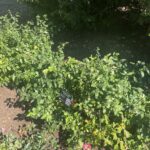
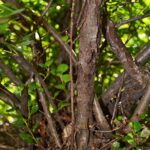
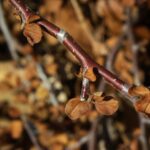
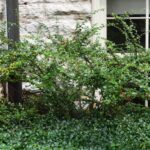
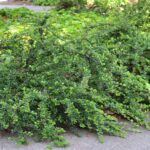
Shrub Audio Recording AvailablePurdue Plant Doctor Available Cotoneaster apiculatus [Cranberry Cotoneaster] An excellent groundcover for full sun in almost any soil, except that weeds encroach easily for the first few years. Use effective mulch. Subject to damage from fireblight occasionally, and from mites, especially in dry situations. Not tolerant of wet sites. Collects litter and leaves (in the fall), which are difficult to rake out. Audio Recording AvailablePurdue Plant Doctor Available
Shrub Purdue Plant Doctor Available Cotoneaster dammeri 'Coral Beauty' [Coral Beauty Bearberry Cotoneaster] 'Coral Beauty' is a fast-growing, prostrate (1-2' high), evergreen shrub that makes a good, quick-effect groundcover. It has excellent, glossy evergreen foliage and produces an abundance of coral-red fruits. Unfortunately its appearance tends to become ratty with age. Purdue Plant Doctor Available
Shrub Audio Recording AvailablePurdue Plant Doctor Available Cotoneaster divaricatus [Spreading Cotoneaster] One of the most ornamental and trouble-free of the cotoneasters, although subject to the troubles of Rosaceous plants on occasion. These include lacebugs, scale, mites, and fireblight, but they are not usually a serious problem. Audio Recording AvailablePurdue Plant Doctor Available
Shrub Audio Recording AvailablePurdue Plant Doctor Available Cotoneaster horizontalis [Rockspray Cotoneaster] C. horizontalis is a low, flat, dense shrub with horizontally spreading branches creating a tiered effect. A generally trouble-free cotoneaster, although can be subject to the troubles of Rosaceous plants on occasion. Fireblight is more problematic for this species in the South. Audio Recording AvailablePurdue Plant Doctor Available
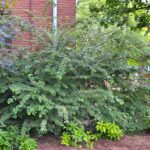
Shrub Audio Recording AvailablePurdue Plant Doctor Available Cotoneaster multiflorus [Many-flowered Cotoneaster] Salt tolerant and pH adaptable, and has best appearance when grown as multi-stemmed and branching to the ground. Mites, aphids, canker, and fireblight can be problems in stressful sites. Audio Recording AvailablePurdue Plant Doctor Available
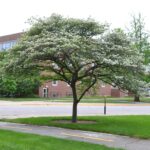
Tree Indiana Native Audio Recording AvailableID That Tree Video AvailablePurdue Plant Doctor Available Crataegus crus-galli [Cockspur Hawthorn] The strong horizontal branching is good for softening vertical lines of buildings. The 2-3" thorns can be dangerous, especially around children. Although attractive, some find the small, white flowers malodorous. Fireblight, leaf spot, and cedar-hawthorn rust are among the worst problems to affect this species. Japanese beetles like to feed on hawthorns. Indiana NativeAudio Recording AvailableID That Tree Video AvailablePurdue Plant Doctor Available
Tree Purdue Plant Doctor Available Crataegus crus-galli var. inermis 'Cruzam' [sold as Crusader™] [Crusader Thornless Cockspur Hawthorn] This variant of Cockspure Hawthorn is a thornless type. The strong horizontal branching is good for softening vertical lines of buildings. Although attractive, some find the small, white flowers malodorous. Fireblight, leaf spot, and cedar-hawthorn rust are among the worst problems to affect this species. Japanese beetles like to feed on hawthorns. Purdue Plant Doctor Available
Tree Purdue Plant Doctor Available Crataegus flabellata [Fanleaf Hawthorn] Purdue Plant Doctor Available