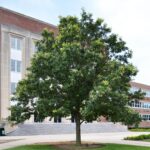
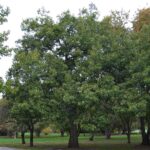
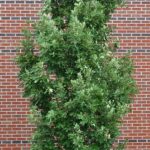
Tree Indiana Native Prunus serotina [Black Cherry] Probably the best native-American species of cherry for landscape use, but still useful only in a few situations, especially for naturalizing. A valuable timber tree, especially for furniture. Subject to several minor pests, none usually serious in naturalized situations. Wood is slightly brittle. Eastern tent caterpillar problematic is some years.
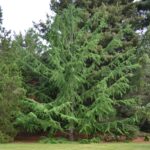
Tree Pseudolarix amabilis [Golden Larch] No serious diseases. Should be protected from too much wind.
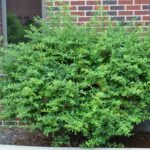
Shrub Pyracantha coccinea 'Lalandei' [Lalandei Scarlet Firethorn] A favorite for espalier training, because of the adaptable branching habit, showy fruits, and vigourous growth. Adapted to a variety of soils and environments but is susceptible to scab. 'Lalandei' is the most popular Scarlet Firethorn cultivar in northern areas, although it may winter burn.
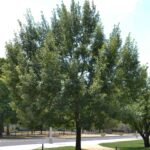
Tree InvasiveThis plant is considered invasive Pyrus calleryana [Callery Pear] Overused, weak wooded, short-lived. Flowers are malodorous and often killed by late spring freezes. Some fireblight susceptiblity. Forms narrow crotch angles that can result in a larger tree literally splitting in two. Very small fruits are a litter problem when abundant. Considered invasive in many areas.
Tree InvasiveThis plant is considered invasive Pyrus calleryana 'Glen’s Form' [sold as Chanticleer®] [Chanticleer Callery Pear] Generally considered to be one of the best cultivars of P. calleryana. While still prone to limb breakage, it is stronger wooded than other variants. The Chanticleer Callery Pear is also known for its resistance to fireblight. Flowers are malodorous and often killed by late spring freezes. Very small fruits are a litter problem when abundant. Considered invasive in many areas.
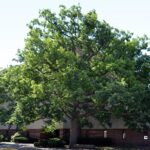
Tree Indiana Native Quercus alba [White Oak] One of the most majestic trees at maturity with a picturesque framework, but requires many years to reach maturity. Long-lived, the kind of tree to use where it can be appreciated by succeeding generations. Slow growth eliminates it as a tree for quick effect. Roots are highly sensitive to disturbance, even foot traffic. Almost impossible to transplant from the wild. Often difficult to find in nurseries due to slow growth and recalcitrance to propagation by…
Tree Indiana Native Quercus bicolor [Swamp White Oak] The Swamp White Oak is a sturdy, long-lived tree that is generally tolerant to average conditions and even wet soil, but requires full sun and acidic soil.
Tree Indiana Native Quercus coccinea [Scarlet Oak] Excellent scarlet fall foliage, comparable if not often better than the Pin Oak. Does not suffer iron chlorosis as bad as Pin Oak, being more tolerant of alkaline soils. Some report difficulty in transplanting.
Tree Quercus × 'Crimschmidt' [sold as Crimson Spire™] [Crimson Spire Oak] The Crimson Spire Oak is notable for its powdery mildew resistance and reddish fall color that it gained from its White Oak parent, in addition to the dense, strong, vertical, columnar form, and tolerance to drought and urban conditions gained from its Fastigiate English Oak parent.