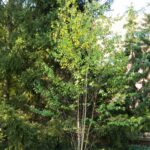
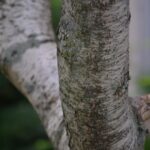
Tree Purdue Plant Doctor Available Betula pendula ssp. mandshurica [Asian White Birch] A generally better choice than the species type, Betula platyphylla var. japonica is a larger, graceful tree with thinner, spreading branches and striking pure white bark. It is especially well adapted to wet soilsand does not do well in dry situations. Less subject to the borer troubles of B. papyrifera in the Midwest, although still susceptible. Purdue Plant Doctor Available
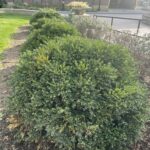
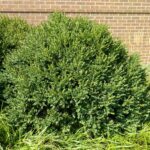
Shrub Purdue Plant Doctor Available Buxus 'Glencoe' [Chicagoland Green Buxus] Low maintenance cultivar popularized in Illinois through partnership with the Chicago Botanic Garden. Broad mounded shrub that is a fast grower in full sun. Purdue Plant Doctor Available
Shrub Purdue Plant Doctor Available Buxus × 'Green Mountain' [Green Mountain Boxwood] The Green Mountain Boxwood is known for its very dense, upright pyramidal form. It grows best when placed in areas of moderate shade that are away from strong winter sun and wind. It has shallow roots and prefers moist, cool soils. Tolerates feeding by deer and rabbits. Purdue Plant Doctor Available
Shrub Audio Recording AvailablePurdue Plant Doctor Available Buxus microphylla [Littleleaf Boxwood] The Littleleaf Boxwood is a versatile, small, rounded shrub. It is best when planted away from strong winter sun and wind and prefers moderate shade. Hardiness is highly variable with cultivars. Winter desiccation injury (browning) in full sun is a real concern, but this plant often recovers in spring with new growth. Use the same cultivar when replacing a member of a hedge to reproduce the same texture and color. The Littleleaf Boxwood's shallow roots… Audio Recording AvailablePurdue Plant Doctor Available
Shrub Audio Recording AvailablePurdue Plant Doctor Available Buxus microphylla 'Compacta' [Dwarf Littleleaf Boxwood] The Dwarf Littleleaf Boxwood is a very small, dense rounded shrub. It is best when planted away from strong winter sun and wind and prefers moderate shade. Winter desiccation injury (browning) in full sun is a real concern, but this plant often recovers in spring with new growth. The Dwarf Littleleaf Boxwood's shallow roots prefer moistness and coolness. Audio Recording AvailablePurdue Plant Doctor Available
Shrub Audio Recording AvailablePurdue Plant Doctor Available Buxus sinica var. insularis [Korean Littleleaf Boxwood] The Korean Littleleaf Boxwood grows best when placed in areas of moderate shade that are away from strong winter sun and wind. It has shallow roots and prefers moist, cool soils. This shrub flowers in April; flowers can attract bees due to the fragrance but are not showy. Audio Recording AvailablePurdue Plant Doctor Available
Shrub Audio Recording AvailablePurdue Plant Doctor Available Buxus sinica var. insularis 'Wintergreen' [Wintergreen Korean Littleleaf Boxwood] The Wintergreen Korean Littleleaf Boxwood is quite hardy (to zone 4) and grows best when placed in areas of moderate shade that are away from strong winter sun and wind. It has shallow roots and prefers moist, cool soils. This shrub flowers in April; flowers can attract bees due to the fragrance but are not showy. Audio Recording AvailablePurdue Plant Doctor Available
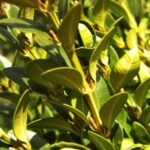
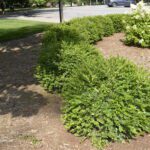
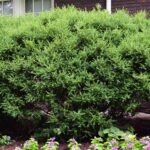
Shrub Purdue Plant Doctor Available Buxus sp. [Boxwood] Boxwoods do best when planted away from strong winter sun and wind and prefers moderate shade. Winter desiccation injury (browning) in full sun is a real concern, but this plant often recovers in spring with new growth. The Boxwood's shallow roots prefer moistness and coolness. Purdue Plant Doctor Available
Shrub Audio Recording AvailablePurdue Plant Doctor Available Buxus × 'Green Velvet' [Green Velvet Boxwood] This species is a hybrid of Buxus sinica and Buxus sempervirens and is primarily used for smaller spaces. Audio Recording AvailablePurdue Plant Doctor Available
Shrub Audio Recording Available Calycanthus floridus [Common Sweetshrub] The Common Sweetshrub was one of the first native plants in the US used as an ornamental. Widely adapted to soil and sun or shade. Certain selections can permeate an area with fragrance. Can be forced for indoor fragrance. Not all plants have equally fragrant flowers; don't use seed propagated plants for that reason. Seeds are poisonous, causing convulsions, myocardial depression, and hypotension. Audio Recording Available