Shrub Rosa × 'Meisentmil' [sold as Lemon Drift®] [Lemon Drift Rose] The Lemon Drift Rose has petite yellow creamy flowers that make this shrub a beautiful statement planting. A great choice as well because the Drift Rose is disease resistant.
Tree Salix babylonica [Weeping Willow] The Weeping Willow is commonly found around water because they are water loving tree and can actually remove harmful substances from the water.
Shrub/Tree Salix caprea [Pussy Willow] Salix caprea is one of several species commonly referred to as "Pussy Willows". The common name is derived from the silky soft male catkins (species is dioecious). Tolerates heavy pruning and can be cut to the ground every 3-5 years to maintain size. The wood of this plant is weak and easily damaged. This species is susceptible to many pests and diseases.
Shrub/Tree Indiana Native Salix humilis [Prairie Willow] Prairie Willow is more drought tolerant than other willows. Rabbits and deer eat the twigs. The nectar is used by bees to provide high quality honey.
Tree Indiana Native Salix nigra [Black Willow] The Black Willow is a fast-growing, wet soils tolerant tree, reaching 30 to 60 feet at maturity. Can sucker profusely, so use sparingly in the landscape. In the wild, you can find Salix nigra near floodplains, streams and rivers, and marshes. The ancient Greeks knew the therapeutic values of willow (Salix) and brewed tea made from willow bark to relieve stiff joints and other bodily aches and pains. A number of insect species attack the…
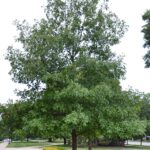
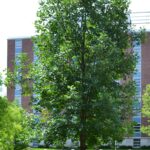
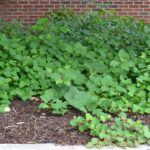
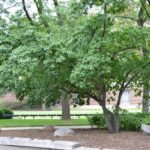
Tree Indiana Native Sassafras albidum [Common Sassafras] Roots sucker and form thickets, which may or may not be desirable. Sassafras tea contains safrole, a mild carcinogen banned in food products. Iron chlorosis in high pH can turn leaves yellow.
Liana (Climbing Vine) Schizophragma hydrangeoides [Japanese Hydrangea-vine] The Japanese Hydrangea-vine is a shade tolerant vine within the Hydrangea family. Root-like fixtures, or adhesive rootlets, allow this vine to grow vertically up masonry walls, trellis structures, and sides of buildings. Its flowers are lace-cap hydrangea-like clusters that bloom in mid-June through July.