Flower Notes:
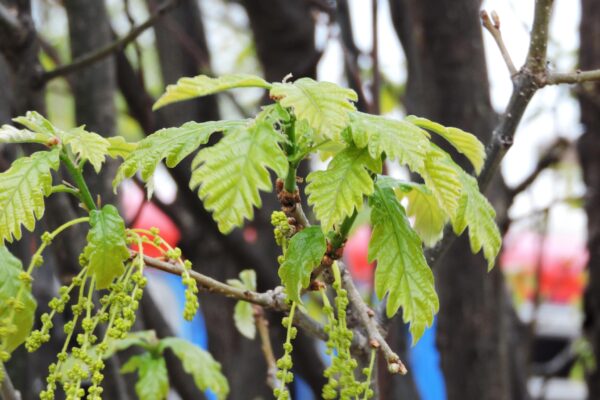
Yellow;red (Male catkins 2-4" long; April to May; not ornamentally importantt;Female spikes; April to May; not ornamentally important)
Foliage Notes:
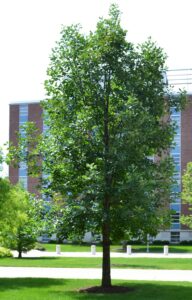
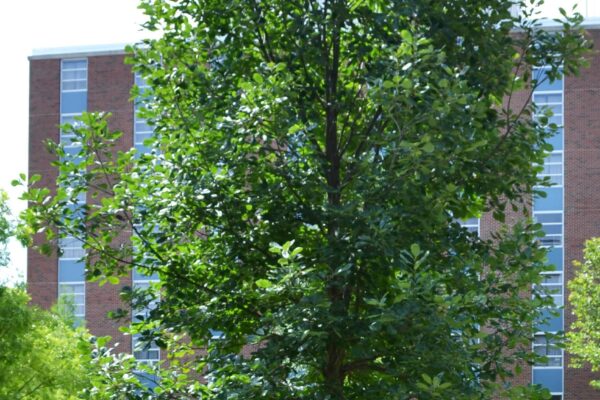
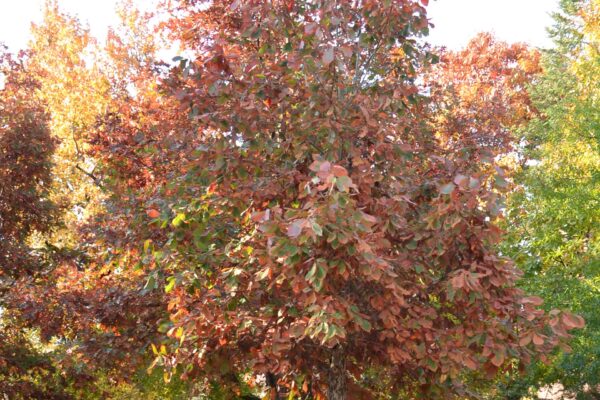
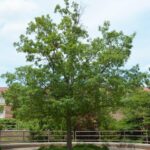
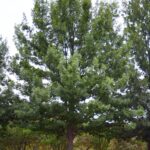
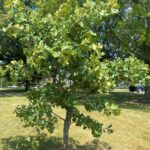
Green (Lustrous, dark yellowish-green summer foliage); Red (Attractive red fall foliage)
Fruit Notes:
Brown (Acorns are sweet and can be eaten fresh by humans, wildlife, and livestock)
Soil Notes:
Prefers acidic, moist loamy soils, but can tolerate sandy or wet soils
Diagnostic Characteristics:
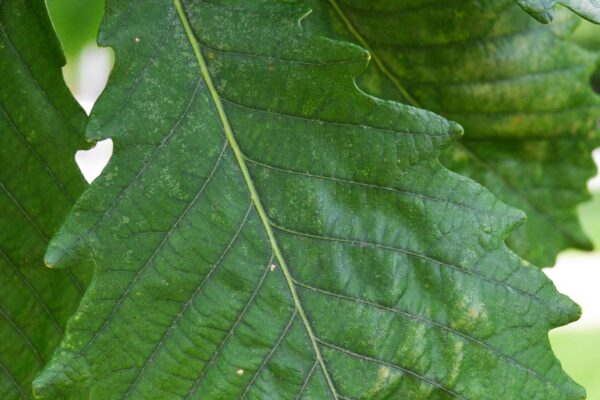
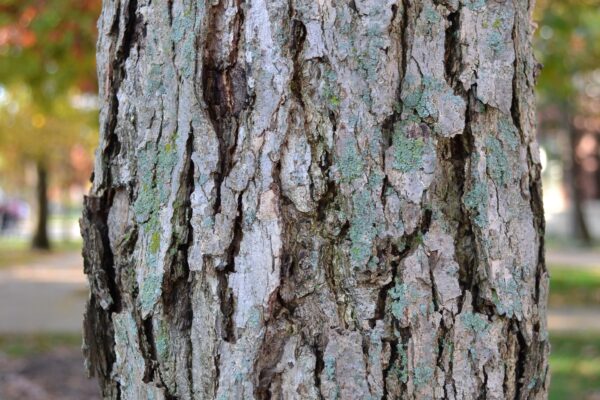
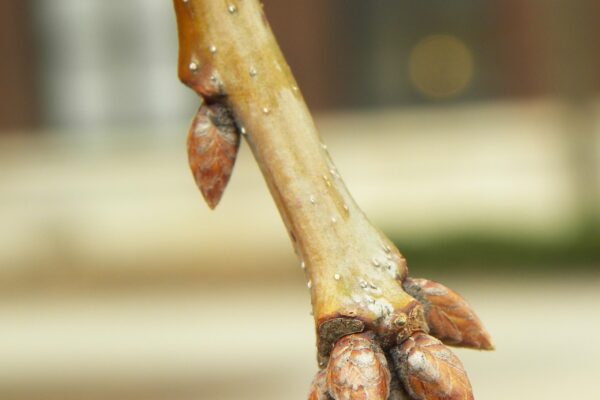
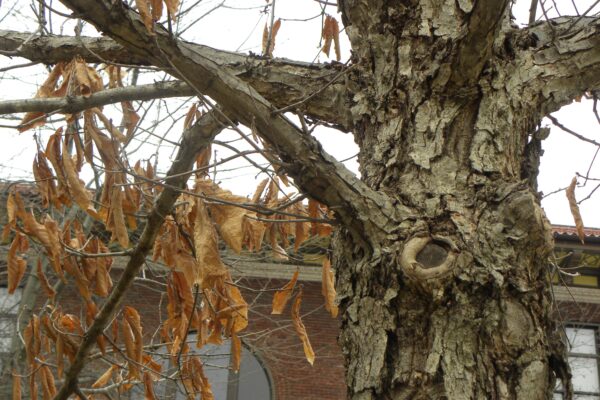
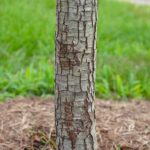
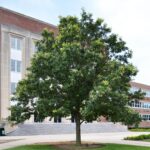
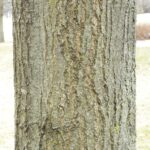
Very similar to Q. montana, except the involucral scales form a fringe around the rim and the leaves are generally more leather-textured and more pubescent on the underside. The leaf width is greatest in the middle; the upper leaf surface is glabrous, the lower surface generally pubescent. Leaf margins have 10-14 regular, rounded teeth. Buds are red-brown, imbricate, and covered in a fine pubescence. The edible fruit is a 1" acorn that is one third to halfway covered in hairy scales. The very dark colored bark is scaly when young and ridged on older trees.