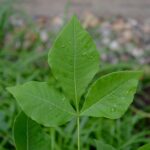
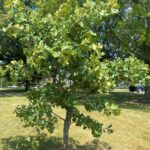
Shrub Indiana Native Audio Recording AvailablePurdue Plant Doctor Available Robinia hispida var. fertilis [Bristly Locust] Can fix nitrogen. Especially well adapted to poor, dry, alkaline soils. Though native, can be invasive on sandy soils. Frequent pruning may be needed. Indiana NativeAudio Recording AvailablePurdue Plant Doctor Available
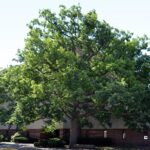
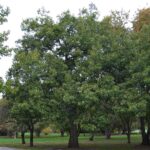
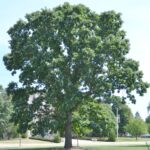
Tree Indiana Native Audio Recording AvailableID That Tree Video AvailablePurdue Plant Doctor Available Robinia pseudoacacia [Black Locust] Widely variable in form, the most picturesque are straight-trunked with branches abruptly fanning out at the top. Fixes N2. Locust borers are troublesome and difficult to control, but many trees live with them successfully for many years. Leaf minors and permanently wet soils can be problems. Indiana NativeAudio Recording AvailableID That Tree Video AvailablePurdue Plant Doctor Available
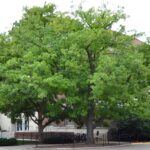
Tree Purdue Plant Doctor Available Robinia pseudoacacia 'Purple Robe' [Purple Robe Locust] This cultivar is note worthy due to is deep pink-violet flowers that have a strong sweet smelling fragrance. It is advertised to be relatively thornless. Purdue Plant Doctor Available
Shrub Indiana Native Audio Recording AvailableID That Tree Video Available Rubus occidentalis [Black Raspberry] This thorny shrub is an Indiana native found along woodland edges. Although its natural habit is spreading, the Black Raspberry can be cut back to the ground to allow control of the spread and rejuvenation. The fruits of the Black Raspberry are sweet yet a bit tart, becoming a commercial commodity in parts of the United States. Best use in the landscape would be property boarders and erosion control. Best growth in part shade and… Indiana NativeAudio Recording AvailableID That Tree Video Available
Shrub/Tree Indiana Native Audio Recording AvailablePurdue Plant Doctor Available Salix humilis [Prairie Willow] Prairie Willow is more drought tolerant than other willows. Rabbits and deer eat the twigs. The nectar is used by bees to provide high quality honey. Indiana NativeAudio Recording AvailablePurdue Plant Doctor Available
Shrub Indiana Native Audio Recording AvailableID That Tree Video Available Staphylea trifolia [American Bladdernut] An upright, heavily branched, suckering shrub; sometimes wide-spreading, as a small tree. Used in naturalizing; best reserved for parks and other low maintenance areas; rather nice for foliage effect. Indiana NativeAudio Recording AvailableID That Tree Video Available
Shrub/Tree Purdue Plant Doctor Available Syringa sp. [Lilac] The Lilac genus, Syringa, is composed of over 20 species and numerous cultivars and variants of shrubs to small trees. The most well-known feature of lilacs is their showy, many times fragrant, flower panicles. Lilacs prefer cooler climates. Leggy plants can be rejuvenated by a hard pruning in the winter, with less intensive maintenance pruning after flowering. Can be affected by powdery mildew, leaf spot, borers, and blight. Purdue Plant Doctor Available
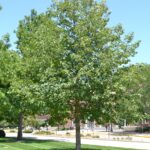
Tree Purdue Plant Doctor Available Tilia tomentosa ‘Sterling’ [Sterling Linden] Tilia tomentosa 'Sterling' shows some resistance to Japanese beetle. Purdue Plant Doctor Available
Shrub/Tree Indiana Native Audio Recording AvailableID That Tree Video AvailablePurdue Plant Doctor Available Viburnum prunifolium [Blackhaw Viburnum] Widely tolerant of different soils and exposures. Transplants well. Relatively trouble-free. Can be pruned to form a nice hedge. Scale and borers are occasional problems. The edible fruits are sweet and can be eaten fresh, or used in jams and preserves. Indiana NativeAudio Recording AvailableID That Tree Video AvailablePurdue Plant Doctor Available
Shrub Indiana Native Purdue Plant Doctor Available Viburnum trilobum 'Bailey Compact' [Bailey's Compact American Cranberrybush Viburnum] Widely tolerant of soils and microclimates. May be troubled by aphids. Drought resistance is not good. Fruits are used in preserves. Indiana NativePurdue Plant Doctor Available