


Additional Information
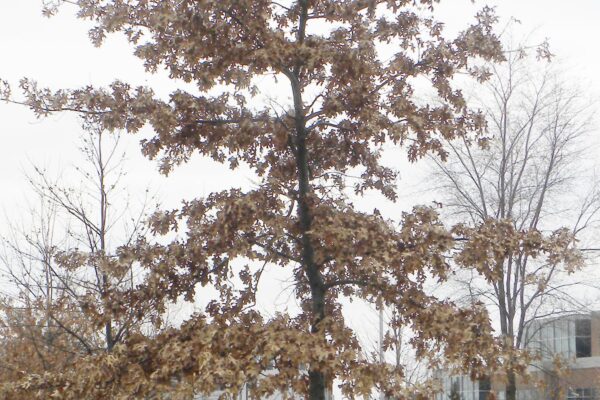
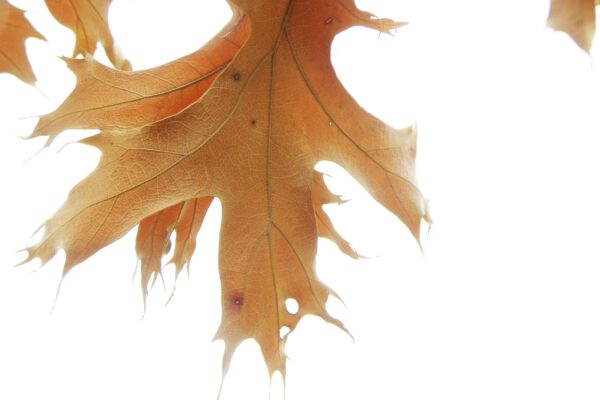
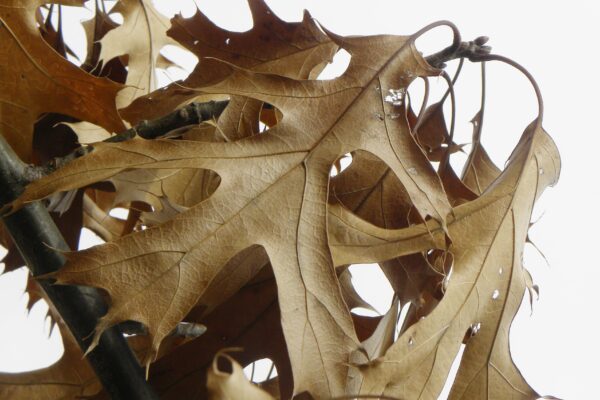
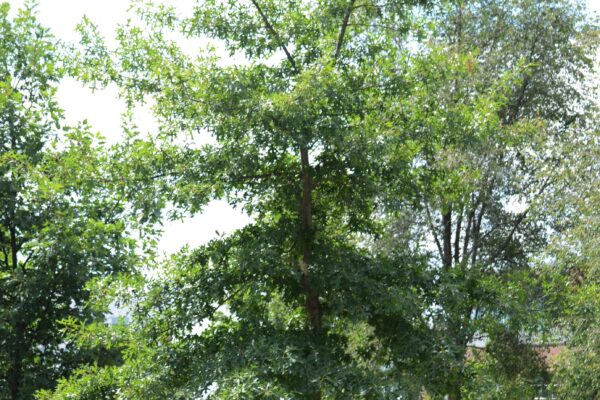
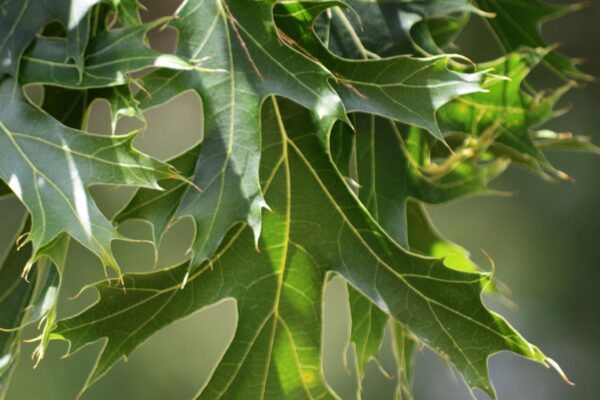
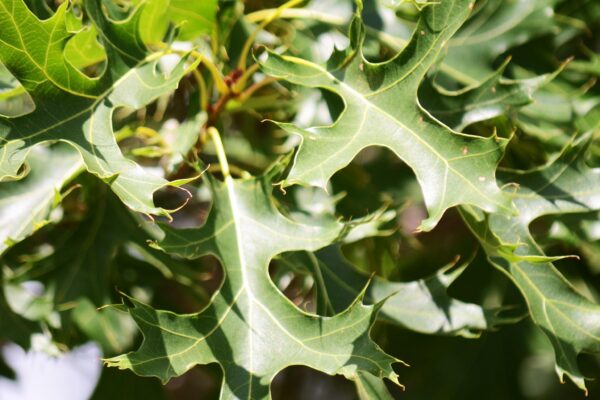
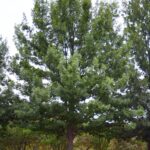
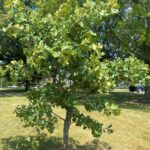
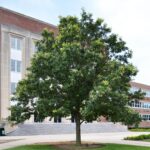
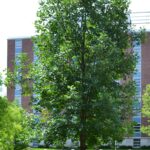
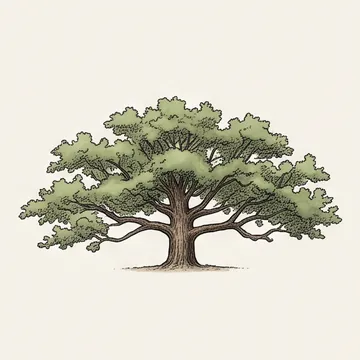
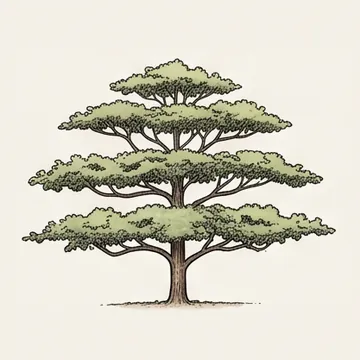
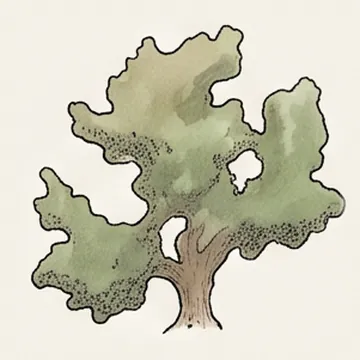
Quercus ellipsoidalis is very closely related to Q. palustris (Pin Oak), but is better suited for the Midwest. Very similar to the Pin Oak, the Northern Pin Oak is a handsome tree with distinctive and regular branching, spreading to horizontal to drooping, from top to bottom of the tree. This effect is partly lost when lower limbs must be removed for traffic underneath. While this species is still prone to chlorosis (yellowing of leaves) in alkaline soils, it is more tolerant to high pH than Q. palustris. In the wild, this species tends to grow in dry, sandy locations.