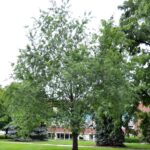
Tree Indiana Native Audio Recording AvailableID That Tree Video AvailablePurdue Plant Doctor Available Populus tremuloides [Quaking Aspen] The common name of Populus tremuloides is derived from the tendency of the leaves to tremble (quake) in the wind, or even light breezes, due to flattened petioles. This is a fast-growing and short-lived species that regenerates from root suckers and can quickly recolonize disturbed sites. Generally, most of the specimens in a grove of P. tremuloides are clones, all originating from the same stem. This plant is dioecious, so groves are usually all male… Indiana NativeAudio Recording AvailableID That Tree Video AvailablePurdue Plant Doctor Available
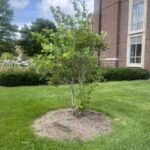
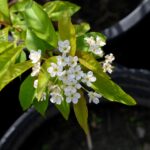
Tree Audio Recording AvailablePurdue Plant Doctor Available Prunus cerasifera [Cherry Plum] This tree is not pollution tolerant and is short-lived, often living to only about 20 years. There are numerous diseases and pests that can affect Prunus cerasifera, especially canker, fireblight, leaf spots, powdery mildew, aphids, scale, borers, and tent caterpillars. Despite its drawbacks, this tree is extraordinarily popular and has been used extensively in the landscape. The straight species Prunus cerasifera is not often seen, with purple-leaf forms being the most predominant. Audio Recording AvailablePurdue Plant Doctor Available
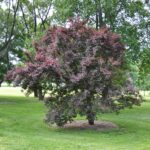
Tree Audio Recording AvailablePurdue Plant Doctor Available Prunus cerasifera 'Atropurpurea' [Purple Cherry Plum] This tree is not pollution tolerant and is short-lived, often living to only about 20 years. There are numerous diseases and pests that can affect Prunus cerasifera, especially canker, fireblight, leaf spots, powdery mildew, aphids, scale, borers, and tent caterpillars. Despite its drawbacks, this tree is extraordinarily popular and has been used extensively in the landscape. The straight species Prunus cerasifera is not often seen, with purple-leaf forms, such as 'Atropurpurea' being the most predominant.… Audio Recording AvailablePurdue Plant Doctor Available
Tree Audio Recording AvailablePurdue Plant Doctor Available Prunus × 'Newport' [Newport Cherry Plum] This tree is not pollution tolerant and is short-lived, often living to only about 20 years. There are numerous diseases and pests that can affect Prunus cerasifera, especially canker, fireblight, leaf spots, powdery mildew, aphids, scale, borers, and tent caterpillars. Despite its drawbacks, this tree is extraordinarily popular and has been used extensively in the landscape. The straight species Prunus cerasifera is not often seen, with purple-leaf forms, such as 'Newport' being the most predominant.… Audio Recording AvailablePurdue Plant Doctor Available
Tree Indiana Native Audio Recording AvailableID That Tree Video AvailablePurdue Plant Doctor Available Prunus pensylvanica [Pin Cherry] Pin or Wild Red Cherry is a slender, small shrub-like tree that is native to Indiana. Often seen as a pioneer species, Pin Cherry can be seen to develop in vacant areas. Its bark is shiny, red in color, and often aromatic when brusied or cut. P. pensylavnica produces a large amount of fruit when fully mature, which could promote weediness. Indiana NativeAudio Recording AvailableID That Tree Video AvailablePurdue Plant Doctor Available
Tree Indiana Native Audio Recording AvailableID That Tree Video AvailablePurdue Plant Doctor Available Prunus serotina [Black Cherry] Probably the best native-American species of cherry for landscape use, but still useful only in a few situations, especially for naturalizing. A valuable timber tree, especially for furniture. Subject to several minor pests, none usually serious in naturalized situations. Wood is slightly brittle. Eastern tent caterpillar problematic is some years. Indiana NativeAudio Recording AvailableID That Tree Video AvailablePurdue Plant Doctor Available
Shrub Purdue Plant Doctor Available Prunus tomentosa [Nanking Cherry] Among earliest of Prunus to flower. Subject to the troubles of other cherries (fireblight, etc.), but less so than some. Leaf spot in wet seasons. Often short-lived. Purdue Plant Doctor Available
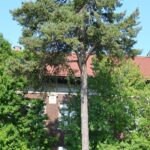
Tree Audio Recording AvailablePurdue Plant Doctor Available Pseudotsuga menziesii [Douglas Fir] A highly variable species, in cold and drought hardiness, color, and form. For use in the Midwest, select the hardiest available forms. Prefers atmospheric moisture. Historically, has been an important timber tree in the West. Audio Recording AvailablePurdue Plant Doctor Available
Tree Audio Recording AvailablePurdue Plant Doctor Available Pseudotsuga menziesii 'Fastigiata' [Columnar Douglas Fir] Pseudotsuga menziesii is a highly variable species, in cold and drought hardiness, color, and form. For use in the Midwest, select the hardiest available forms. Prefers atmospheric moisture. Historically, has been an important timber tree in the West. 'Fastigiata' is a dense, columnar cultivar with distinctly upright branches. Audio Recording AvailablePurdue Plant Doctor Available
Shrub Audio Recording AvailablePurdue Plant Doctor Available Pyracantha coccinea [Scarlet Firethorn] A favorite for espalier training, because of the adaptable branching habit and showy orange-red fruits. Tends to be semi-evergreen in cooler climates and evergreen in warmer climates. Adapted to a variety of soils and environments. Fireblight can be serious. Other problems are scab and leaf and twig blight. Audio Recording AvailablePurdue Plant Doctor Available