Shrub Pyracantha coccinea 'Kasan' [Compact Scarlet Firethorn] A favorite for espalier training, because of the adaptable branching habit and showy orange-red fruits. Tends to be semi-evergreen in cooler climates and evergreen in warmer climates. Adapted to a variety of soils and environments. 'Kasan' is a hardier (USDA zone 5), compact cultivar with spreading branches and excellent fruit set. Scab can be serious in this cultivar. Other possible problems include fireblight and leaf and twig blight.
Shrub Pyracantha coccinea 'Lalandei' [Lalandei Scarlet Firethorn] A favorite for espalier training, because of the adaptable branching habit, showy fruits, and vigourous growth. Adapted to a variety of soils and environments but is susceptible to scab. 'Lalandei' is the most popular Scarlet Firethorn cultivar in northern areas, although it may winter burn.
Shrub Pyracantha × 'Gnozam' [sold as Gnome®] [Dwarf Firethorn] 'Gnozam' is a dense, compact shrub that bears numerous attractive orange berries in the fall and through the winter, but is severely susceptible to scab. Firethorns are a favorite for espalier training, because of the adaptable branching habit and showy fruits. Tends to be semi-evergreen in cooler climates and evergreen in warmer climates. Adapted to a variety of soils and environments. Fireblight can be serious. Other problems are scab and leaf and twig blight.
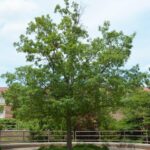
Tree Indiana Native Quercus imbricaria [Shingle Oak] Somewhat tolerant of city conditions. Can be pruned into a hedge. Leaves persist into winter, after the normal leaf raking period, and then fall. Oak gall susceptible, but a minor problem.
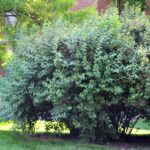
Shrub/Tree InvasiveThis plant is considered invasive Rhamnus cathartica [Common Buckthorn] Tolerates most sites. Dioecious. Very invasive, by the seeds that birds love to eat; probably best to refrain from planting this species in the landscape. Susceptible to rusts (Puccinia coronata), that also attacks oats (in oat growing areas, buckthorn eradication is recommended). The bark, leaves, and fruit were once used in purgatives, thus one of this plant's common names, "Purging Buckthorn".
Shrub Rhododendron catawbiense 'Chionoides' [Chionoides Rhododendron] White flowers have the yellow centers and make numerous dome shaped trusses. The broad, dense plant is easy to grow and has attractive, narrow foliage.
Shrub Ribes alpinum [Alpine Currant] Dioecious (male clones used mostly because these are thought to be rust resistant). Quite resistant to white pine blister rust, whereas other Ribes are not. Many insects and diseases. Flowers not showy and fruits not edible.
Shrub Rosa × 'Double Delight' [Double Delight Hybrid Tea Rose] The hybrid tea rose is a deciduous shrub with extremely fagrant flowers that have creamy white centers and red edging. These flowers can be single, semi double or double.
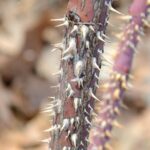
Shrub Rosa rugosa [Rugosa Rose] Widely adapted to soils and exposures, but especially good in full sun on dry soils. Relatively trouble-free among roses, even resists the common rose pathogens and phytopagous insects. The hips (rose fruits) are a rich source of vitamin C and used commercially in teas. Can get borers in canes (rarely). Good cultural practices are important for roses in order to prevent disease and other pests. Avoid wetting the foliage when watering, place the plant in…
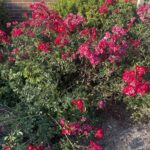
Shrub Rosa × 'Thérèse Bugnet' [Double Rugosa Rose] 'Thérèse Bugnet' is a hybrid cultivar of Rosa rugosa that has fragrant, double, pink flowers and lustrous, red canes. Susceptible to rose stem girdler and slightly susceptible to black spot. Good cultural practices are important for roses in order to prevent disease and other pests. Avoid wetting the foliage when watering, place the plant in an area with good air circulation, and remove dead or diseased plant matter as soon as possible. Widely adapted to…