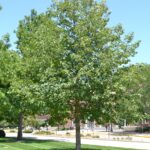
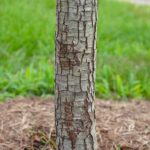
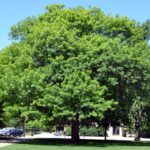
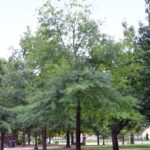
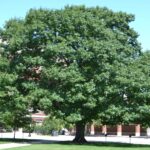
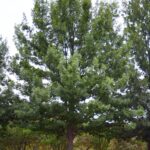
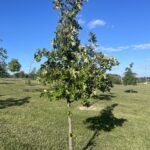
Tree Indiana Native Audio Recording AvailableID That Tree Video AvailablePurdue Plant Doctor Available Robinia pseudoacacia [Black Locust] Widely variable in form, the most picturesque are straight-trunked with branches abruptly fanning out at the top. Fixes N2. Locust borers are troublesome and difficult to control, but many trees live with them successfully for many years. Leaf minors and permanently wet soils can be problems. Indiana NativeAudio Recording AvailableID That Tree Video AvailablePurdue Plant Doctor Available
Shrub Indiana Native Audio Recording AvailableID That Tree Video Available Rubus occidentalis [Black Raspberry] This thorny shrub is an Indiana native found along woodland edges. Although its natural habit is spreading, the Black Raspberry can be cut back to the ground to allow control of the spread and rejuvenation. The fruits of the Black Raspberry are sweet yet a bit tart, becoming a commercial commodity in parts of the United States. Best use in the landscape would be property boarders and erosion control. Best growth in part shade and… Indiana NativeAudio Recording AvailableID That Tree Video Available
Shrub Indiana Native Audio Recording Available Rubus odoratus [Flowering Raspberry] The Flowering Raspberry offers great texture into the landscape with its exfoliating bark during the winter months and its large course leaves during the summer months. Its rich, pink-purple flowers begin to bloom in early June, offering fragrance and color. The flowers and fruits often attract birds and other wildlife, including butterflies and bees. Indiana NativeAudio Recording Available
Shrub Indiana Native Purdue Plant Doctor Available Salix exigua [Coyote Willow] Salix exigua is frost tolerant and dioecious. Spreads by small seeds through the wind or water and has an extensive root system caused by abundant suckering. It is great in moist soils or stream bottoms to help prevent soil erosion. Indiana NativePurdue Plant Doctor Available
Shrub/Tree Indiana Native Audio Recording AvailablePurdue Plant Doctor Available Salix humilis [Prairie Willow] Prairie Willow is more drought tolerant than other willows. Rabbits and deer eat the twigs. The nectar is used by bees to provide high quality honey. Indiana NativeAudio Recording AvailablePurdue Plant Doctor Available
Tree Indiana Native Audio Recording AvailableID That Tree Video AvailablePurdue Plant Doctor Available Salix nigra [Black Willow] The Black Willow is a fast-growing, wet soils tolerant tree, reaching 30 to 60 feet at maturity. Can sucker profusely, so use sparingly in the landscape. In the wild, you can find Salix nigra near floodplains, streams and rivers, and marshes. The ancient Greeks knew the therapeutic values of willow (Salix) and brewed tea made from willow bark to relieve stiff joints and other bodily aches and pains. A number of insect species attack the… Indiana NativeAudio Recording AvailableID That Tree Video AvailablePurdue Plant Doctor Available
Shrub Indiana Native Audio Recording AvailableID That Tree Video AvailablePurdue Plant Doctor Available Sambucus canadensis [American Elderberry] This plant is known most for its fruits, which have a high Vitamin C content and are attractive to both people and wildlife. The berry-like fruits are popular for making wine, juice, jellies, preserves, and pie. However, this plant is not generally advised for use in the landscape due to its excessive suckering and difficult to maintain form (can become quite unkempt). Very tolerant of various environmental conditions. Indiana NativeAudio Recording AvailableID That Tree Video AvailablePurdue Plant Doctor Available
Tree Indiana Native Audio Recording AvailableID That Tree Video AvailablePurdue Plant Doctor Available Sassafras albidum [Common Sassafras] Roots sucker and form thickets, which may or may not be desirable. Sassafras tea contains safrole, a mild carcinogen banned in food products. Iron chlorosis in high pH can turn leaves yellow. Indiana NativeAudio Recording AvailableID That Tree Video AvailablePurdue Plant Doctor Available
Shrub Indiana Native Audio Recording AvailablePurdue Plant Doctor Available Spiraea alba [Meadowsweet] The meadowsweet is an Indiana native shrub that can be found in wet prairies, marshes, and flood plains. Its flowers appear on panicles during the later summer months and last till about September, making this shrub a great addition to the landscape as a late blooming shrub. The flowers also attract pollinators, such as bumblebees and other bee species. Wet soils are needed for this shrub and can even tolerate periods of flooding. Every three… Indiana NativeAudio Recording AvailablePurdue Plant Doctor Available
Shrub Indiana Native Audio Recording AvailableID That Tree Video Available Staphylea trifolia [American Bladdernut] An upright, heavily branched, suckering shrub; sometimes wide-spreading, as a small tree. Used in naturalizing; best reserved for parks and other low maintenance areas; rather nice for foliage effect. Indiana NativeAudio Recording AvailableID That Tree Video Available