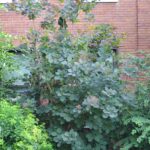
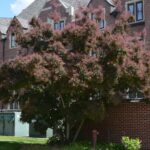
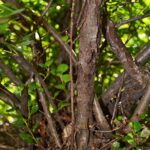
Shrub/Tree Audio Recording AvailablePurdue Plant Doctor Available Cotinus coggygria [Common Smokebush] Usually dioecious, so heavy-fruiting clonal material should be used when possible. Can be pruned to low framework each year to promote plant coloration which occurs best on vigorous stems. Misty fruiting panicles give the species its name. The fine-textured hairs on the fruit pedicels and peduncles change colors, being best when tinted smoky pink. Audio Recording AvailablePurdue Plant Doctor Available
Shrub/Tree Audio Recording AvailablePurdue Plant Doctor Available Cotinus coggygria 'Purpureus' [Purpureus Smokebush] 'Purpureus' is known for its purple-pink fruiting panicles. Can be pruned to low framework each year to promote plant coloration which occurs best on vigorous stems. Misty fruiting panicles give the species its name. The fine-textured hairs on the fruit pedicels and peduncles change colors, being best when tinted smoky purple to pink. Audio Recording AvailablePurdue Plant Doctor Available
Shrub/Tree Purdue Plant Doctor Available Cotinus × 'Grace' [Grace Smokebush] 'Grace' has become a popular cultivar with its purple emerging leaves and giant panicles of smokey, pink flowers. The "flowers" are actually misty fruiting panicles that give the species its name. The fine-textured hairs on the fruit pedicels and peduncles change colors, being best when tinted smoky pink. Can be pruned to low framework each year to promote plant coloration which occurs best on vigorous stems. Purdue Plant Doctor Available
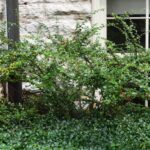
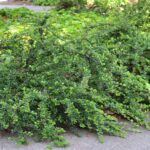
Shrub Audio Recording AvailablePurdue Plant Doctor Available Cotoneaster apiculatus [Cranberry Cotoneaster] An excellent groundcover for full sun in almost any soil, except that weeds encroach easily for the first few years. Use effective mulch. Subject to damage from fireblight occasionally, and from mites, especially in dry situations. Not tolerant of wet sites. Collects litter and leaves (in the fall), which are difficult to rake out. Audio Recording AvailablePurdue Plant Doctor Available
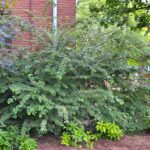
Shrub Audio Recording AvailablePurdue Plant Doctor Available Cotoneaster divaricatus [Spreading Cotoneaster] One of the most ornamental and trouble-free of the cotoneasters, although subject to the troubles of Rosaceous plants on occasion. These include lacebugs, scale, mites, and fireblight, but they are not usually a serious problem. Audio Recording AvailablePurdue Plant Doctor Available
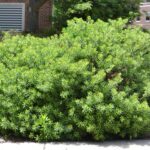
Shrub Audio Recording AvailablePurdue Plant Doctor Available Cotoneaster horizontalis [Rockspray Cotoneaster] C. horizontalis is a low, flat, dense shrub with horizontally spreading branches creating a tiered effect. A generally trouble-free cotoneaster, although can be subject to the troubles of Rosaceous plants on occasion. Fireblight is more problematic for this species in the South. Audio Recording AvailablePurdue Plant Doctor Available
Shrub Audio Recording AvailablePurdue Plant Doctor Available Cotoneaster multiflorus [Many-flowered Cotoneaster] Salt tolerant and pH adaptable, and has best appearance when grown as multi-stemmed and branching to the ground. Mites, aphids, canker, and fireblight can be problems in stressful sites. Audio Recording AvailablePurdue Plant Doctor Available
Shrub Cycas revoluta [Sago Palm] Unlike what the common name suggests, the Sago Palm is not a true palm, but actually a cycad. Useful for fine planting near entranceway. Not salt tolerant. Scale, leaf spot, micronutrient deficiencies can be problems. The variety variegata has yellow-green leaf variegation patterns.
Shrub Audio Recording AvailablePurdue Plant Doctor Available Daphne × burkwoodii 'Carol Mackie' [Variegated Burkwood Daphne] Requires excellent drainage, relatively low fertility, and consistent moisture. Best in a cool site, on soil with pH near neutral, in partial shade to full sun. Notably difficult to transplant. Sometimes dies suddenly with no warning signs. 'Carol Mackie' is more vigorous than the species type. Audio Recording AvailablePurdue Plant Doctor Available
Shrub Indiana Native Audio Recording AvailablePurdue Plant Doctor Available Dasiphora fruticosa [Bush Cinquefoil] Extreme hardiness and long season of bloom make this a favorite in severe climates. Low stature and tolerance of poor, dry soils give it added usefulness in other areas also. Can develop a ragged, unkept habit over time. Remove 1/3 of canes each year (3-year pruning cycle), and consider renewal pruning to a very low framework every 3-5 years if needed. Indiana NativeAudio Recording AvailablePurdue Plant Doctor Available