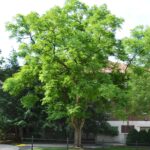
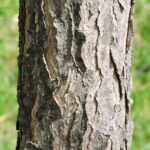
Tree Indiana Native Audio Recording AvailableID That Tree Video AvailablePurdue Plant Doctor Available Liriodendron tulipifera [Tuliptree] Handsome, tall shade tree with strong central leader. Performs best in good soil with adequate moisture. Variable in hardiness, depending on geographic source. Use native stock when possible. State tree of Indiana, Kentucky, North Carolina, and Tennessee. Slightly weak-wooded. Subject to damage in very windy sites. Subject to aphid and scale insects when weakened. Needs good drainage and a lot of soil (tree lawn may be too small). Its poorly branched fleshy root system (taproot)… Indiana NativeAudio Recording AvailableID That Tree Video AvailablePurdue Plant Doctor Available
Tree Indiana Native Purdue Plant Doctor Available Liriodendron tulipifera 'Little Volunteer' [Little Volunteer Tulip-tree] 'Little Volunteer' is a dwarf cultivar with smaller 4-lobed and flat-topped green leaves. It makes a wonderful street tree with its smaller size in habit, leaf, and flower. While keeping the classic yellow fall color and yellow-orange-green flower as other varieties. Indiana NativePurdue Plant Doctor Available
Liana (Climbing Vine) Purdue Plant Doctor Available Lonicera sempervirens 'Magnifica' [Coral Honeysuckle] Purdue Plant Doctor Available
Tree Indiana Native Audio Recording AvailableID That Tree Video Available Maclura pomifera [Osage-Orange] Withstands wind and dry conditions well. Used by farmers as a hedgerow for livestock fencing because of its thorniness. Highly deer resistant. Fruits are said to be an insect and rodent repellent. Extremely decay resistant wood, containing 1% by weight 2,3,4,5-tetrahydroxystilbene (a fungitoxic compound). Large fruits create litter problem; select staminate trees to avoid fruit (unless you believe the fruits are of interest). Due to invasive root system, do not plant near sewer or drainage… Indiana NativeAudio Recording AvailableID That Tree Video Available
Tree Maclura pomifera 'Wichita' [Wichita Osage-Orange] Male selection does not produce the large green fruits, mostly thornless.
Tree Purdue Plant Doctor Available Magnolia virginiana 'Northern Belle' [Northern Belle Sweetbay Magnolia] The most cold-hardy evergreen magnolia. Large white blossoms that open with the scent of vanilla. This is great around woodlands and near water, where it still grows in very wet soil. Can take full sun or partial shade. Pests and diseases are almost never a problem and has some resistance to drought. Purdue Plant Doctor Available
Tree Indiana Native ID That Tree Video Available Nyssa sylvatica [Black Gum] Especially useful in wet soils. One of the most beautiful of trees, with habit comparable to Quercus palustris, but usually more irregular, and with a greater number of more slender main limbs. Silvery-gray, picturesque branching; strong horizontal accent. Difficult to transplant due to taproot; use container-grown plants when possible, or at least plants dug with a soil ball. Shelter from wind. In the North, select native northern stock as the species has a wide geographic… Indiana NativeID That Tree Video Available
Tree Nyssa sylvatica 'David Odom' [sold as Afterburner® Tupelo] [Afterburner® Tupelo] Female trees must have a male pollinator to set fruit, difficult to transplant due to taproot.
Shrub Indiana Native Audio Recording AvailablePurdue Plant Doctor Available Opuntia humifusa [Pricklypear] The Pricklypear is a cactus native to the eastern United States, including Indiana, and is hardy to USDA zone 4. The cactus pads can break off and root into the ground, forming colonies. It is an evergreen plant, but becomes shriveled and wilted during cold winters. Fruits are edible and are often used to make jams and candies. The pads (fleshy green segments with thorns) are also edible as a roasted vegetable. This plant has… Indiana NativeAudio Recording AvailablePurdue Plant Doctor Available
Tree Indiana Native Audio Recording AvailableID That Tree Video Available Oxydendrum arboreum [Sourwood] This plant gets it common and scientific name from its sour-tasting leaves. The genus name is derived from the Greek word "oxys", meaning sour, and "dendron", meaning tree. Honey produced from the pollen of Sourwood flowers is considered valuable. The attractive, slightly fragrant flowers are often prolifically produced, especially in full sun, and are effective for up to four weeks. Like all Ericaceous plants, Oxydendrum arboreum requires rich, organic, moist, well-drained, and acidic soil. This… Indiana NativeAudio Recording AvailableID That Tree Video Available