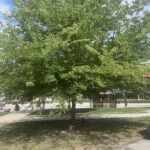
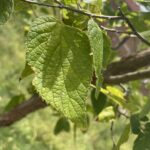
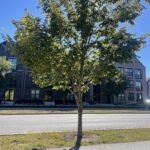
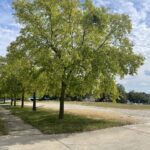
Tree Indiana Native Audio Recording AvailableID That Tree Video AvailablePurdue Plant Doctor Available Celtis laevigata [Sugar Hackberry] The Sugar Hackberry is very similar to the Common Hackberry (Celtis occidentalis) and is especially useful in large-scale situations with dry soils and heavy winds. This species gained its common name from the juicy, sweet berries it produces. Subject to a leaf nipple gall (caused by psyllid insect Pachypsylla dismamma, one of many jumping plant lice). However, the Sugar Hackberry is more resistant to witches'-broom disease (caused by Eriophyid mite) than the Common Hackberry. Especially… Indiana NativeAudio Recording AvailableID That Tree Video AvailablePurdue Plant Doctor Available
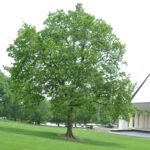
Tree Indiana Native Audio Recording AvailableID That Tree Video AvailablePurdue Plant Doctor Available Celtis occidentalis [Common Hackberry] As well adapted to Midwestern conditions as American Elm, and a reasonably good substitute in form as well. Especially useful in large-scale situations with dry soils and heavy winds. Subject to a leaf nipple gall (caused by psyllid insect Pachypsylla dismamma, one of many jumping plant lice) and witches'-broom disease (caused by Eriophyid mite), both minor in most situations in the Midwest. Especially coarse texture limits use in designed landscapes. Indiana NativeAudio Recording AvailableID That Tree Video AvailablePurdue Plant Doctor Available
Tree Purdue Plant Doctor Available Celtis occidentalis 'Chicagoland' [Chicagoland Hackberry] Develops a single upright leader, a 15-year-old tree was 26' high and 14' wide, a chance seedling selected by Roy Klehm, South Barrington, IL. Purdue Plant Doctor Available
Tree Purdue Plant Doctor Available Celtis occidentalis 'Magnifica' [Magnifica Hackberry] 'Magnifica' is a cultivar with a yellow fall color, fast growth rate, and more disease resistance than its parents. As this tree matures it gets sandpaper-yellow speckled leaves and rough bubbled gray bark. Purdue Plant Doctor Available
Tree Audio Recording AvailablePurdue Plant Doctor Available Celtis occidentalis 'Prairie Pride' [Prairie Pride Hackberry] As well adapted to Midwestern conditions as American Elm, and a reasonably good substitute in form as well. Especially useful in large-scale situations with dry soils and heavy winds. 'Prairie Pride' has glossy, thick, leathery leaves and is less of a litter problem than the species type due to its lower fruit production. Subject to a leaf nipple gall (caused by psyllid insect Pachypsylla dismamma, one of many jumping plant lice), but is not subject… Audio Recording AvailablePurdue Plant Doctor Available