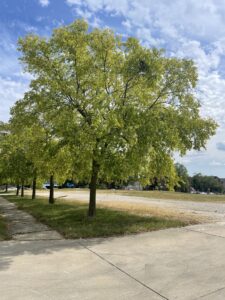



Celtis occidentalis 'Prairie Pride'
Prairie Pride Hackberry

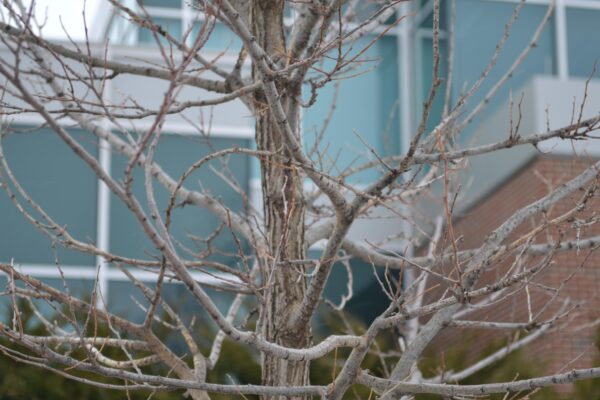
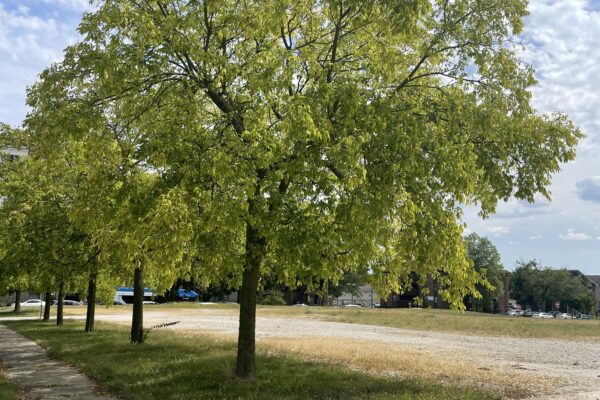
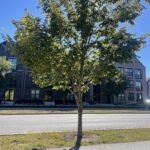
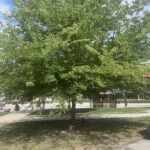
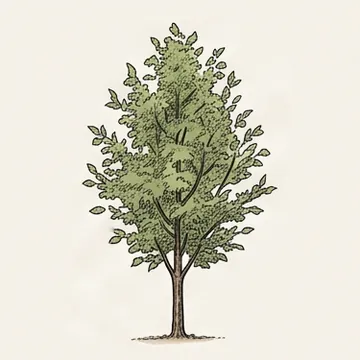
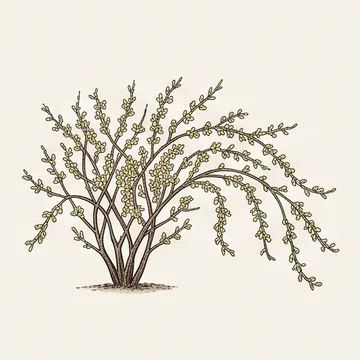
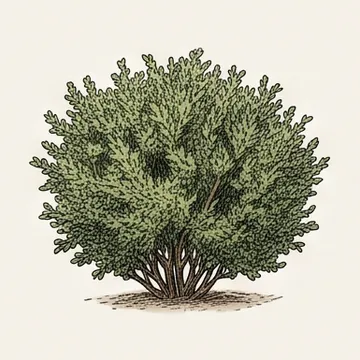
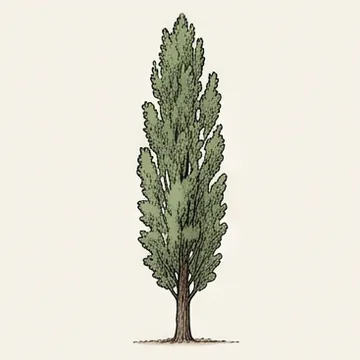
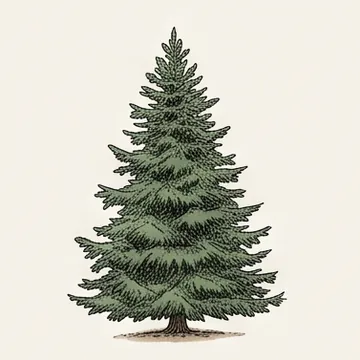
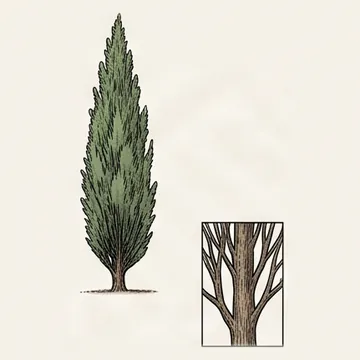
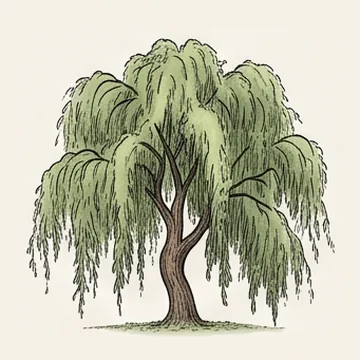
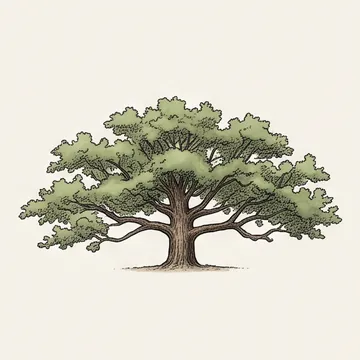
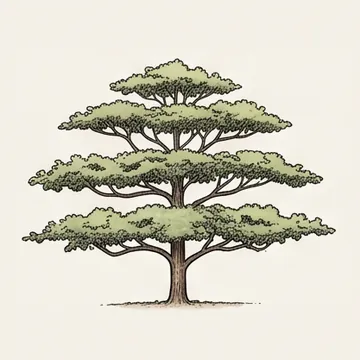
Celtis occidentalis ‘Prairie Pride’ - Habit
Conservation status
Secure
 Plant Type:
 :
 Hardiness:
 Deciduous / Evergreen:
 Flower Notes:
Green (Spring flowering; Not ornamentally important)
 Foliage Notes:
Green (Bright to light green foliage in summer); Yellow (Light yellow foliage (not always impressive))
 Fruit Notes:
Black (Inconspicuous purple-black berries; birds like berries)
 Ultimate Height:
40-55 feet
 Ultimate Spread:
40-50 feet
 Bloom Times:
 Soil Notes:
Tolerates alkaline, acidic, dry, wet, and rocky soils
 Range:
Cultivated origin
 Maintenance:
 Diagnostic Characteristics:
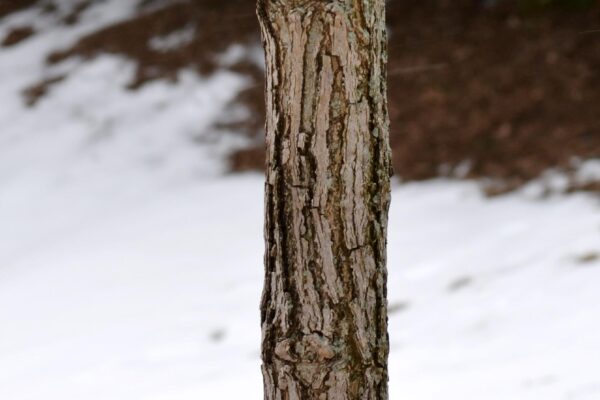
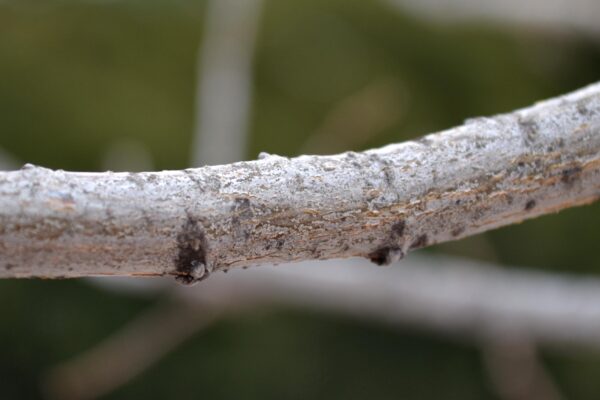
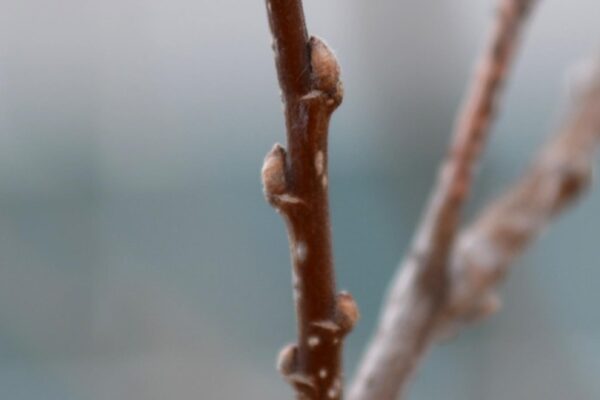
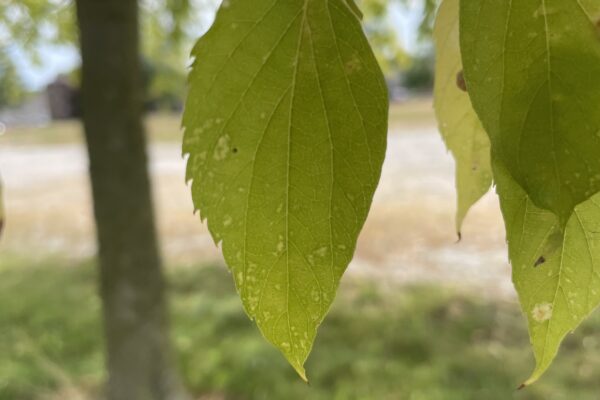
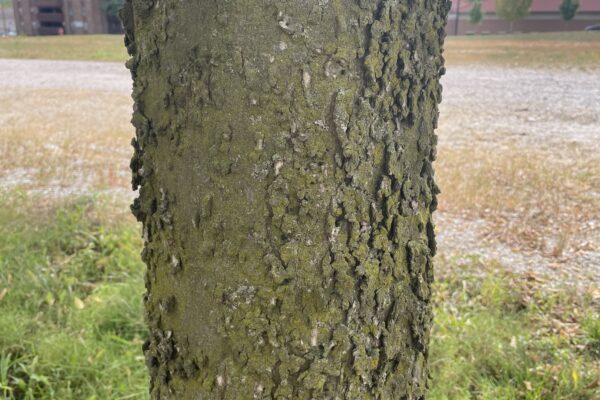
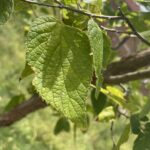
Leaves (2-5" long) are simple and alternate in 2 rows along twig, ovate to oblong-ovate and serrate except at base, long tapering tip, dull light or medium green above, paler below. Oblique leaf base. Pointed and appressed chestnut colored buds. Olive brown stems are lenticelled.
 Ecological Functions:
 Purdue Plant Doctor

Additional Information

As well adapted to Midwestern conditions as American Elm, and a reasonably good substitute in form as well. Especially useful in large-scale situations with dry soils and heavy winds. 'Prairie Pride' has glossy, thick, leathery leaves and is less of a litter problem than the species type due to its lower fruit production. Subject to a leaf nipple gall (caused by psyllid insect Pachypsylla dismamma, one of many jumping plant lice), but is not subject to witches' broom, as is the straight species. Especially coarse texture can limit its use in designed landscapes.

The Purdue Arboretum is a collaboration between the Department of Horticulture and Landscape Architecture and Administrative Operations

Purdue Arboretum, 625 Agriculture Mall Dr, West Lafayette, IN, 47907
© 2026 Purdue UniversityAn equal access/equal opportunity universityCopyright ComplaintsMaintained by Purdue Arboretum Explorer
Contact Purdue Arboretum at arboretum@purdue.edu for accessibility issues with this page | Accessibility Resources | Contact Us