Shrub Audio Recording AvailablePurdue Plant Doctor Available Philadelphus coronarius [Sweet Mockorange] Well adapted to different light (even shade) and soil conditions, especially to dry situations. Relatively trouble-free, and one of the most fragrant of the mockoranges. None of the mockoranges have much landscape interest after the season of bloom. Becomes leggy if not pruned. Pruning should be done after flowering (flower buds form on previous years wood), and to maintain fullness of form. Audio Recording AvailablePurdue Plant Doctor Available
Shrub Purdue Plant Doctor Available Physocarpus opulifolius 'SMNPOTW' [sold as Tiny Wine®] [Tiny Wine Ninebark] Tiny Wine Ninebark is noted for its features as it is interesting season round. The exfoliating bark on mature wood reveals red-brown inner bark, this is how the common name Ninebark was chosen as the color is ever changing. Purdue Plant Doctor Available
Tree Audio Recording AvailablePurdue Plant Doctor Available Pinus bungeana [Lacebark Pine] Excellent specimen tree for bark interest, showing bark color on 1.5-2" dia. branches. Branches may break under snow. Attacked by many pine-targeting insects, with perhaps the Zimmerman Moth, the Pine Shoot Moth, and the Bud Moth being the most significant threat. Audio Recording AvailablePurdue Plant Doctor Available
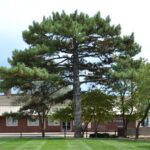
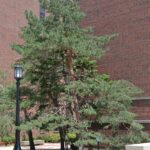
Tree Audio Recording AvailablePurdue Plant Doctor Available Pinus densiflora [Japanese Red Pine] This species is outstanding for its landscape interest, making a uniquely picturesque specimen. Other species are better choices for screening. Audio Recording AvailablePurdue Plant Doctor Available
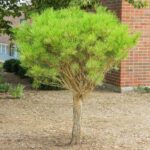
Shrub/Tree Audio Recording AvailablePurdue Plant Doctor Available Pinus densiflora 'Umbraculifera' [Dwarf Japanese Red Pine] This species is outstanding for its landscape interest, making a uniquely picturesque specimen. 'Umbraculifera' is an interesting dwarf cultivar, with a spreading, umbrella-like head and can be grown as a shrub or small tree. The flaky, orange-red bark of this plant is quite attractive. Audio Recording AvailablePurdue Plant Doctor Available
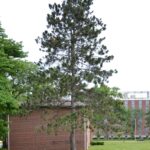
Tree Audio Recording AvailablePurdue Plant Doctor Available Pinus nigra [Austrian Pine] An excellent plant for screening when young. Needs a companion planting eventually for low screening as it loses branches at the base. Tolerates city conditions. Tolerates clay, dry, and alkaline soils, and heat. May be badly damaged by sapsuckers. Sphaeropsis tip blight is a more serious problem. Pine foliar nematode (transmitted by a beetle) can also be problematic. Audio Recording AvailablePurdue Plant Doctor Available
Tree Audio Recording AvailableID That Tree Video AvailablePurdue Plant Doctor Available Pinus resinosa [Red Pine] Forms a decent screen when young, especially on poor, dry soils, but soon drops lowers limbs necessitating the need of companion plants to complete the screen. Develops a shorter, thicker trunk when grown in the open. Pine bud moth (as well as other moths) can be problem if not controlled. Foliage presentation not always full or clearly esthetic. Best in groves or plantations where bark color can be admired. Audio Recording AvailableID That Tree Video AvailablePurdue Plant Doctor Available
Tree Audio Recording AvailableID That Tree Video AvailablePurdue Plant Doctor Available Pinus sylvestris [Scotch Pine] Effective as a screen with pruning. Tolerant of fairly dry soils, but not a good specimen in shade or on wet soils. Sphaeropsis, nematodes, and pine wilt fungus are serious problems; not recommended by Morton Arboretum. Audio Recording AvailableID That Tree Video AvailablePurdue Plant Doctor Available
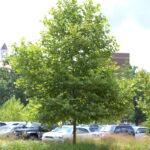
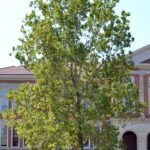
Tree Purdue Plant Doctor Available Platanus × acerifolia [London Planetree] Platanus x acerifolia is quite similar to P. occidentalis, but was originally advertised as being much more pest resistant. P. x acerifolia was quickly overplanted, and it is clear that pest resistance varies among hybrids, and can be quite poor. Pests that can severely affect this species include sycamore anthracnose, cankerstain, Botryosphaeria canker, leaf spot, powdery mildew, sycamore lace bug, and American plum borer. One of the largest of shade trees, making massive, majestic specimens.… Purdue Plant Doctor Available
Tree Purdue Plant Doctor Available Platanus × acerifolia 'Morton Circle' [sold as EXCLAMATION!™] [Exclamation London Planetree] 'Morton Circle' is a cultivar with exfoliating tan bark exposing white underneath. It has large palmately lobed leaves, and is monoecious with different fruit size and color. Purdue Plant Doctor Available