Tree Indiana Native Quercus michauxii [Swamp Chestnut Oak] Similar to Quercus montana but obtains a larger ultimate size and is found in moister soils. Common in low areas, river bottoms, swamp borders and ravines. It gained its common name of "Basket Oak" from the baskets created from its wood, and the common name "Cow Oak" from the sweet, edible acorns relished by cows.
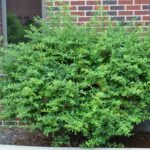
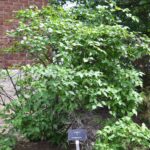
Shrub Rhodotypos scandens [Black Jetbead] Relatively trouble-free. Tolerant of a variety of soils and environments, particularly dryness and shade. Commonly becomes straggly if growing in a site that is too dry or too wet.
Shrub Rhus typhina 'Bailtiger' [sold as Tiger Eyes®] [Cutleaf Tiger Eyes Staghorn Sumac] The Tiger Eyes cultivar makes a great landscape plant as it suckers less than the species, and for it's nice foliage.
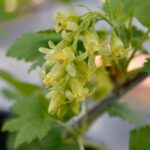
Shrub Indiana Native Ribes americanum [American Black Currant] American Black Currant is a shade and wet soil tolerant shrub species often found in our Indiana woodlands. Small greenish-white flowers bloom in May which leads to dark red to black fruits that ripen in late August/September. When placed in full sun, a brilliant reddish orange fall color is produced but often golden yellow in the fall. The edible fruits are used in jams and jellies and are desirable food source for wildlife. An alternative…
Shrub Rosa × 'Bucbi' [sold as Carefree Beauty™] [Carefree Beauty Rose] Carefree Beauty is a lower maintenance, compact rose with fragrant, semi-double pink flowers from June to frost. While this rose has some resistance to powdery mildew and blackspot, good cultural practices are still important. Avoid wetting the foliage when watering, place the plant in an area with good air circulation, and remove dead or diseased plant matter as soon as possible. Branches are covered with thorns, making pruning difficult.
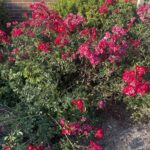
Shrub Rosa rugosa [Rugosa Rose] Widely adapted to soils and exposures, but especially good in full sun on dry soils. Relatively trouble-free among roses, even resists the common rose pathogens and phytopagous insects. The hips (rose fruits) are a rich source of vitamin C and used commercially in teas. Can get borers in canes (rarely). Good cultural practices are important for roses in order to prevent disease and other pests. Avoid wetting the foliage when watering, place the plant in…
Shrub Indiana Native Rubus occidentalis [Black Raspberry] This thorny shrub is an Indiana native found along woodland edges. Although its natural habit is spreading, the Black Raspberry can be cut back to the ground to allow control of the spread and rejuvenation. The fruits of the Black Raspberry are sweet yet a bit tart, becoming a commercial commodity in parts of the United States. Best use in the landscape would be property boarders and erosion control. Best growth in part shade and…
Shrub Indiana Native Rubus odoratus [Flowering Raspberry] The Flowering Raspberry offers great texture into the landscape with its exfoliating bark during the winter months and its large course leaves during the summer months. Its rich, pink-purple flowers begin to bloom in early June, offering fragrance and color. The flowers and fruits often attract birds and other wildlife, including butterflies and bees.
Shrub Indiana Native Sambucus canadensis [American Elderberry] This plant is known most for its fruits, which have a high Vitamin C content and are attractive to both people and wildlife. The berry-like fruits are popular for making wine, juice, jellies, preserves, and pie. However, this plant is not generally advised for use in the landscape due to its excessive suckering and difficult to maintain form (can become quite unkempt). Very tolerant of various environmental conditions.