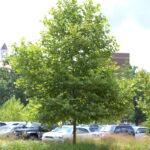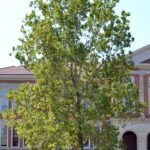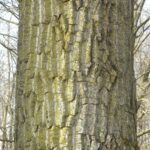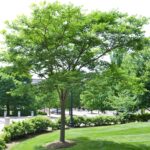
Tree InvasiveThis plant is considered invasive Audio Recording Available Phellodendron amurense [Amur Corktree] A striking tree for its interesting bark and massive framework. Widely adaptable to soil, trouble-free, and drought and pollution resistance. Easily transplanted. May be less hardy when young and rapidly growing. Fruits smell like turpentine when crushed (or stepped on). This tree is demonstrating invasive characteristics in suburban and urban fringe forests. It escapes intended plantings to invade and displace native hardwood forests. Note: only female plants have the potential to become invasive. Phellodendron amurense… Audio Recording Available
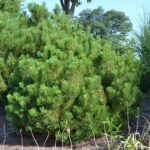
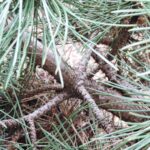
Shrub Audio Recording AvailablePurdue Plant Doctor Available Pinus mugo [Mugo Pine] Seed-propagated plants vary widely in degree of dwarfness, and this is not always apparent in young plants. Pruning annually can help maintain dwarf habit (don't pinch or cut past candles). Can be disfigured by scale insects. Audio Recording AvailablePurdue Plant Doctor Available
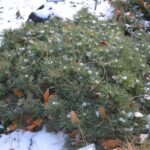
Shrub Purdue Plant Doctor Available Pinus mugo 'Aurea' [Golden Dwarf Mugo Pine] 'Aurea' is a semi-dwarf cultivar with bright green needles that turn a bright golden-yellow in the winter. Best coloration in full sun. Pruning annually can help maintain dwarf habit (don't pinch or cut past candles). Can be disfigured by scale insects. Purdue Plant Doctor Available
Shrub Audio Recording AvailablePurdue Plant Doctor Available Pinus mugo 'Valley Cushion' [Dwarf Mugo Pine] 'Valley Cushion' is a very slow-growing (approximately 1.5" a year) dwarf cultivar that is excellent for rock gardens and bonsai. Can be disfigured by scale insects. Audio Recording AvailablePurdue Plant Doctor Available
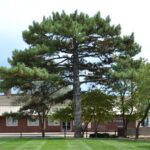
Tree Audio Recording AvailablePurdue Plant Doctor Available Pinus nigra [Austrian Pine] An excellent plant for screening when young. Needs a companion planting eventually for low screening as it loses branches at the base. Tolerates city conditions. Tolerates clay, dry, and alkaline soils, and heat. May be badly damaged by sapsuckers. Sphaeropsis tip blight is a more serious problem. Pine foliar nematode (transmitted by a beetle) can also be problematic. Audio Recording AvailablePurdue Plant Doctor Available
Shrub Audio Recording AvailablePurdue Plant Doctor Available Pinus nigra 'Hornibrookiana' [Dwarf Austrian Pine] 'Hornbrookiana' is a compact and mounded dwarf cultivar. Tolerates city conditions. Tolerates clay, dry, and alkaline soils, and heat. May be badly damaged by sapsuckers. Sphaeropsis tip blight is a more serious problem. Pine foliar nematode (transmitted by a beetle) can also be problematic. Audio Recording AvailablePurdue Plant Doctor Available
Tree Purdue Plant Doctor Available Platanus × acerifolia [London Planetree] Platanus x acerifolia is quite similar to P. occidentalis, but was originally advertised as being much more pest resistant. P. x acerifolia was quickly overplanted, and it is clear that pest resistance varies among hybrids, and can be quite poor. Pests that can severely affect this species include sycamore anthracnose, cankerstain, Botryosphaeria canker, leaf spot, powdery mildew, sycamore lace bug, and American plum borer. One of the largest of shade trees, making massive, majestic specimens.… Purdue Plant Doctor Available
Tree Indiana Native Audio Recording AvailableID That Tree Video AvailablePurdue Plant Doctor Available Platanus occidentalis [American Sycamore] One of the largest of shade trees, making massive, majestic specimens. Tolerant of urban conditions, but generally found in riparian areas in the wild. The mottled, multi-colored, exfoliating bark is very beautiful and makes for excellent winter interest. Needs a large volume of soil space. Anthracnose leaf and twig blight occasionally disfigure this tree, and can damage it severely. Leaves, twigs, bark, and fruit contribute to a significant litter problem. Although this species can tolerate… Indiana NativeAudio Recording AvailableID That Tree Video AvailablePurdue Plant Doctor Available
Tree Indiana Native Audio Recording AvailableID That Tree Video AvailablePurdue Plant Doctor Available Populus deltoides [Eastern Cottonwood] Populus deltoides is a large, fast-growing tree that is not generally advised for use in the landscape. This plant is weak-wooded, weedy, and a litter problem, dropping twigs, flowers, branches, leaves, and fruits (the cottony masses that float through the air in early summer). In the wild, it tends to grow along streams, rivers, and other moist areas. Susceptible to many pests and diseases, especially canker. Indiana NativeAudio Recording AvailableID That Tree Video AvailablePurdue Plant Doctor Available
Tree Purdue Plant Doctor Available Populus × 'Red Caudina' [Red Caudina Poplar] This fast-growing plant is weak-wooded, weedy, and a litter problem, dropping twigs, flowers, branches, leaves, and fruits (the cottony masses that float through the air in early summer). In the wild, the parents of this hybrid tend to grow along streams, rivers, and other moist areas. Susceptible to many pests and diseases, especially canker. 'Red Caudina' is a narrow, all male cultivar that does not produce the problematic cottony fruits. It has red veination and… Purdue Plant Doctor Available