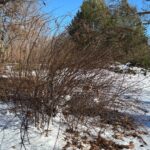
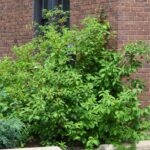
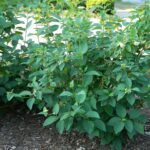
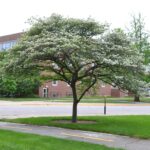
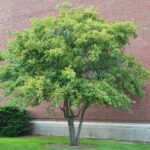
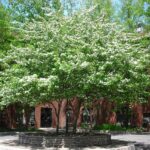
Shrub/Tree Indiana Native Cornus racemosa [Gray Dogwood] The Gray Dogwood is a tough, suckering, deciduous shrub that is native to Indiana and is noted for its small, white flower clusters, white fruits, and persisting red fruit pedicels. Tolerates poor soils (including wet soils), drought, full sun, full shade, and air pollution. Suckers can become a problem if not controlled.
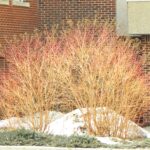
Shrub Cornus sanguinea 'Midwinter Fire' [Midwinter Fire Bloodtwig Dogwood] 'Midwinter Fire' is a suckering shrub that is notable for its yellow winter twigs that are tipped in red and golden fall foliage. Grows well in a variety of situations, including alkaline soil. Easy to transplant. Relatively trouble-free. A three-year pruning cycle improves form, vigor, and winter stem color effect. Cutting all stems 6-12" from ground in late winter has similar effect. Best in mass plantings. Excellent for winter color.
Shrub Indiana Native Cornus sericea [Redosier Dogwood] This plant has red twigs all year round, but the color is especially prominent in winter. Grows well in a variety of situations, including wet soil. Easy to transplant. Relatively trouble-free. A three-year pruning cycle improves form, vigor, and winter stem color effect. Cutting all stems 6-12" from ground in late winter has similar effect. Best in mass plantings. Excellent for winter color. Leaf blights and twig cankers can be problematic.
Shrub Cornus sericea 'Cardinal' [Red Twig Redosier Dogwood] The Cardinal Red Twig Dogwood has attractive, strongly red stems, providing winter interest to the landscape. It is a larger variant that has better resistance to leaf spot than other cultivars. Grows well in a variety of situations, including wet soil. Easy to transplant. Relatively trouble-free. A three-year pruning cycle improves form, vigor, and winter stem color effect. Cutting all stems 6-12" from ground in late winter has similar effect. Best in mass plantings. Excellent…
Shrub Cornus sericea 'Flaviramea' [Yellow Twig Redosier Dogwood] 'Flaviramea' has yellow twigs that are especially prominent in winter. High susceptibility to canker. Grows well in a variety of situations, including wet soil. Easy to transplant. Relatively trouble-free. A three-year pruning cycle improves form, vigor, and winter stem color effect. Cutting all stems 6-12" from ground in late winter has similar effect. Best in mass plantings. Excellent for winter color. Leaf blights and twig cankers can be problematic.
Shrub/Tree Cotinus coggygria [Common Smokebush] Usually dioecious, so heavy-fruiting clonal material should be used when possible. Can be pruned to low framework each year to promote plant coloration which occurs best on vigorous stems. Misty fruiting panicles give the species its name. The fine-textured hairs on the fruit pedicels and peduncles change colors, being best when tinted smoky pink.
Tree Indiana Native Crataegus crus-galli [Cockspur Hawthorn] The strong horizontal branching is good for softening vertical lines of buildings. The 2-3" thorns can be dangerous, especially around children. Although attractive, some find the small, white flowers malodorous. Fireblight, leaf spot, and cedar-hawthorn rust are among the worst problems to affect this species. Japanese beetles like to feed on hawthorns.
Tree Indiana Native Crataegus phaenopyrum [Washington Hawthorn] One of the finest small trees for winter color. The 1-3" thorns can be dangerous, especially around children. Fireblight, leaf spot, and cedar-hawthorn rust are among the worst problems, although more trouble-free than many hawthorns. Japanese beetles like to feed on hawthorns.
Tree Indiana Native Crataegus viridis [Green Hawthorn] An attractive small tree with beautiful white flower corymbs and bright red persistent fruits. Very adaptable, although leaves are often badly infected by rust so that the entire plant appears to be suffering from the measles.
Tree Crataegus viridis 'Winter King' [Winter King Green Hawthorn] An attractive, nearly thornless vase-shaped small tree with beautiful white flower corymbs and large, bright red persistent fruits. This cultivar was discovered in a fence row by Bob Simpson in Vincennes, Indiana. Very adaptable, although leaves are often badly infected by rust so that the entire plant appears to be suffering from the measles.