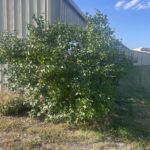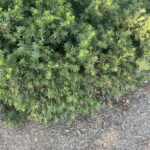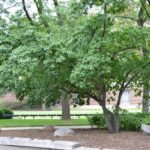

Shrub/Tree Indiana Native Purdue Plant Doctor Available Rhus typhina [Staghorn Sumac] Indiana NativePurdue Plant Doctor Available
Shrub/Tree Purdue Plant Doctor Available Salix caprea [Pussy Willow] Salix caprea is one of several species commonly referred to as "Pussy Willows". The common name is derived from the silky soft male catkins (species is dioecious). Tolerates heavy pruning and can be cut to the ground every 3-5 years to maintain size. The wood of this plant is weak and easily damaged. This species is susceptible to many pests and diseases. Purdue Plant Doctor Available
Shrub/Tree Purdue Plant Doctor Available Salix eriocephala 'Ames 27768' [Heart-leaved Willow] The Heart-Leaved Willow in the wild is found along riverbanks, this tree is used for erosion control and thrives in wet soil. Purdue Plant Doctor Available
Shrub/Tree Indiana Native Audio Recording AvailablePurdue Plant Doctor Available Salix humilis [Prairie Willow] Prairie Willow is more drought tolerant than other willows. Rabbits and deer eat the twigs. The nectar is used by bees to provide high quality honey. Indiana NativeAudio Recording AvailablePurdue Plant Doctor Available
Shrub/Tree Purdue Plant Doctor Available Syringa sp. [Lilac] The Lilac genus, Syringa, is composed of over 20 species and numerous cultivars and variants of shrubs to small trees. The most well-known feature of lilacs is their showy, many times fragrant, flower panicles. Lilacs prefer cooler climates. Leggy plants can be rejuvenated by a hard pruning in the winter, with less intensive maintenance pruning after flowering. Can be affected by powdery mildew, leaf spot, borers, and blight. Purdue Plant Doctor Available
Shrub/Tree Purdue Plant Doctor Available Taxus baccata 'Fastigiata' [Irish Yew] Taxus baccata 'Fastigiata' is a columnar, female yew with very strongly upright branches and lustrous, deep green foliage. Tolerant of shade and heavy pruning. Marginally hardy in USDA zone 5. Can be significantly damaged by deer. Purdue Plant Doctor Available
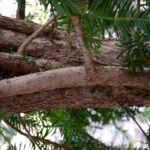
Shrub/Tree Purdue Plant Doctor Available Taxus cuspidata [Japanese Yew] Very functional and durable broad-columnar tree or multi-stemmed shrub. Dioecious. Tolerates shade and heavy pruning. Bark peels on older specimens. All parts of Taxus, except the fleshy, red aril, are poisonous. Can be significantly damaged by deer. Purdue Plant Doctor Available
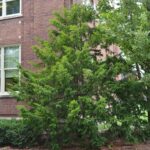
Shrub/Tree Purdue Plant Doctor Available Taxus cuspidata 'Capitata' [Capitata Japanese Yew] 'Capitata' is a very functional and durable pyramidal yew. Can get up to 40-50' tall, but can be pruned to maintain a smaller size. Dioecious. Tolerates shade and heavy pruning. Bark peels on older specimens. All parts of Taxus, except the fleshy, red aril are poisonous. Can be significantly damaged by deer. Purdue Plant Doctor Available
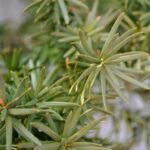
Shrub/Tree Purdue Plant Doctor Available Taxus sp. [Yew] Reports vary, but there are up to 10 species of Taxus, and hundreds of variants and cultivars in various sizes, habits, and forms. Members of the Yew genus are one of the most common evergreen shrubs used in the landscape industry today. This is due in large part to their durability, pest and disease resistance, ease of propagation, and adaptability to environmental conditions. However, the Yew is perhaps overused in the landscape. These plants tolerate… Purdue Plant Doctor Available
Shrub/Tree Purdue Plant Doctor Available Taxus × media 'Adams' [Adams Intermediate Yew] Purdue Plant Doctor Available