Taxus cuspidata 'Capitata'
Capitata Japanese Yew

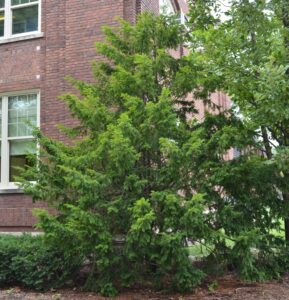
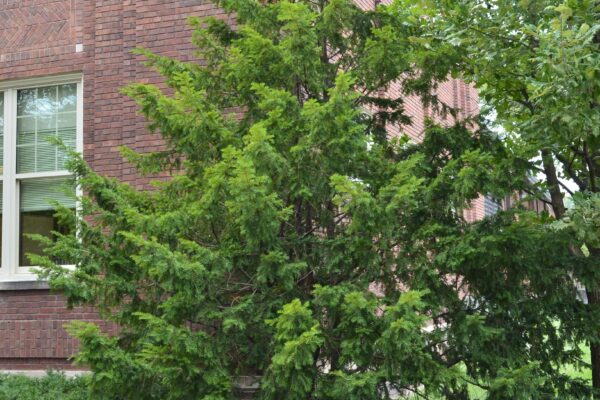
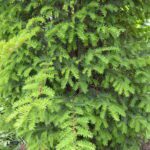
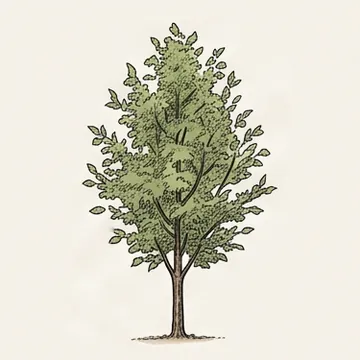
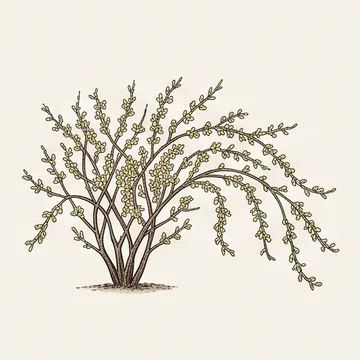
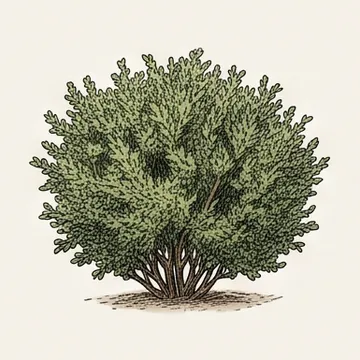
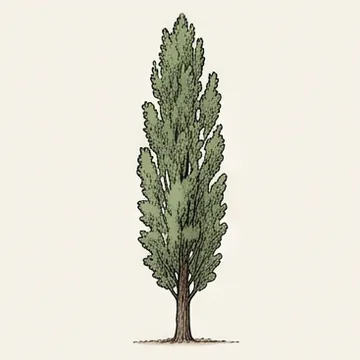
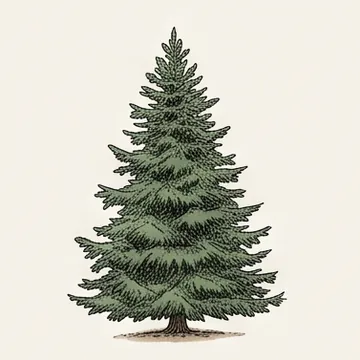
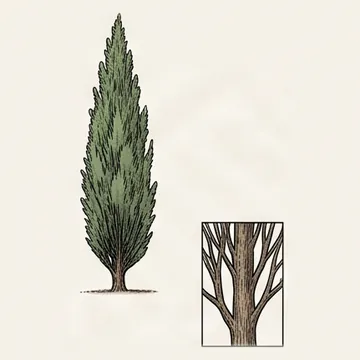
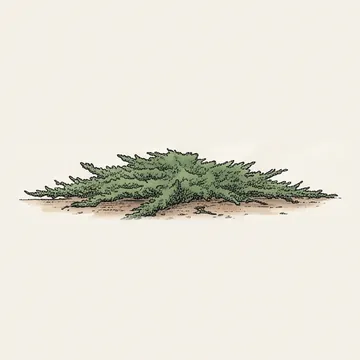
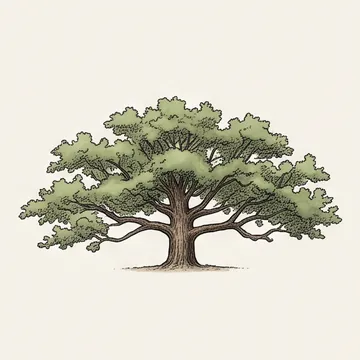
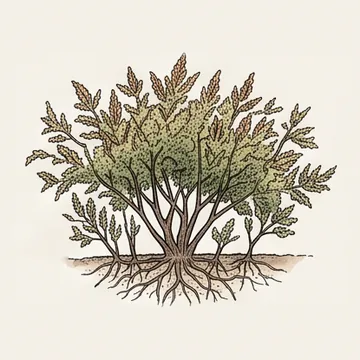
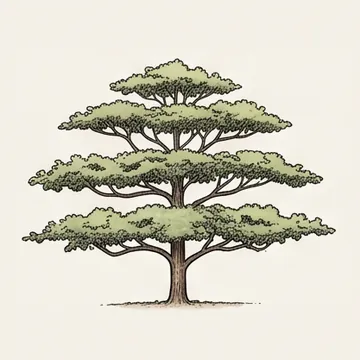
Taxus cuspidata ‘Capitata’ - Habit
 Genus:
 Plant Type:
 Growth Forms:
 Hardiness:
 Deciduous / Evergreen:
 Foliage Notes:
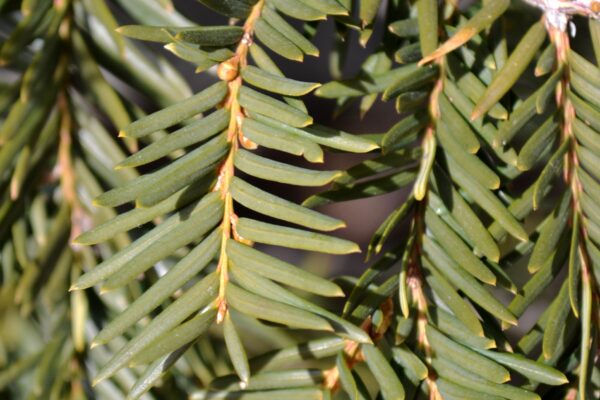
Evergreen (Flat dark green needles about 1"; Glossy, deep green above and yellow-green below; May turn reddish brown/yellow in winter)
 Stem Notes:
First year stems are olive-colored and second year stems are brown
 Fruit Notes:
Red/Brown (Female plants have a fleshy, red aril that surrounds a hard, brown nutlet in fall; the aril is the only part of Taxus that is not poisonous)
 Ultimate Height:
10-50 feet
 Ultimate Spread:
10-40 feet
 Light Requirements:
 Soil Notes:
Very adaptable to different types of soils, except those that are poorly drained
 Range:
Cultivated origin
 Maintenance:
 Diagnostic Characteristics:
The flat, needle-like leaves (0.5-1" long) are indistinctly 2-ranked (Taxus x media is more prominently 2-ranked), upright and irregularly V-shaped. Two yellowish bands are present on the leaf underside. Pointed bud scales (T. x media has blunt bud scales). First year stems olive-colored and second year stems are brown (T. x media stems are olive-colored in both the first and second years).
 Ecological Functions:
 Purdue Plant Doctor

Additional Information

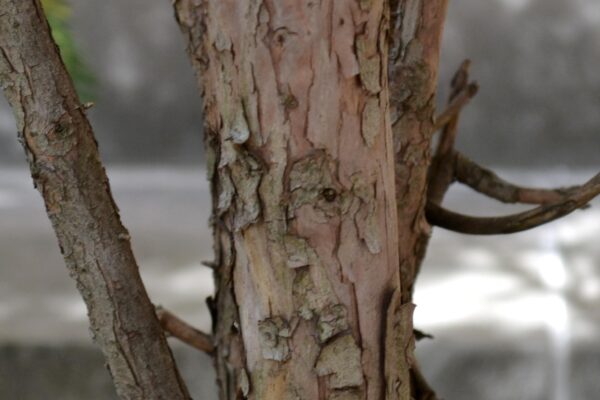
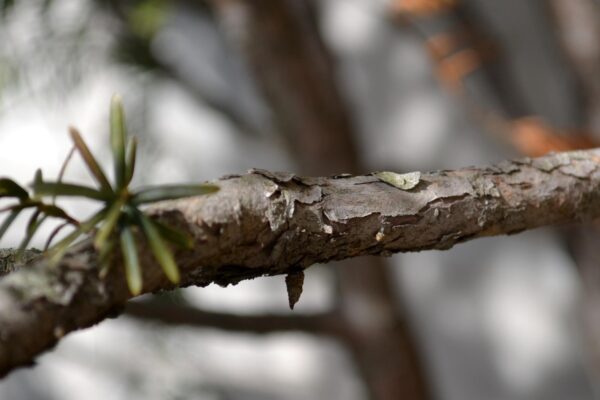
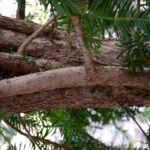
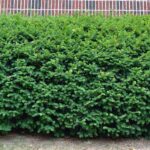
'Capitata' is a very functional and durable pyramidal yew. Can get up to 40-50' tall, but can be pruned to maintain a smaller size. Dioecious. Tolerates shade and heavy pruning. Bark peels on older specimens. All parts of Taxus, except the fleshy, red aril are poisonous. Can be significantly damaged by deer.

The Purdue Arboretum is a collaboration between the Department of Horticulture and Landscape Architecture and Administrative Operations

Purdue Arboretum, 625 Agriculture Mall Dr, West Lafayette, IN, 47907
© 2026 Purdue UniversityAn equal access/equal opportunity universityCopyright ComplaintsMaintained by Purdue Arboretum Explorer
Contact Purdue Arboretum at arboretum@purdue.edu for accessibility issues with this page | Accessibility Resources | Contact Us