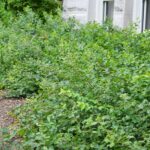
Toxicodendron radicans
Poison Ivy
Other Common Names: Northern Poison Ivy

 This plant is considered invasive.

 Genus:
 Growth Forms:
 Hardiness:
 Deciduous / Evergreen:
 Flower Notes:
Greenish-white flowers bloom May to July.
 Foliage Notes:
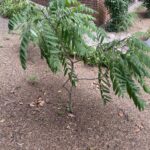
“Leaflets three, let it be.” Compound green leaves are alternate. Three leaflets that are smooth or toothed, rounded or pointed and glossy or dull. Leaflets are hairy beneath. Leaves turn red-yellow in fall.
 Stem Notes:
All parts of the plant contain volatile oils that can cause significant skin irritation on direct or indirect contact.
 Fruit Notes:
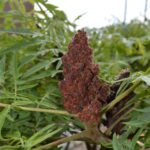
Waxy, creamy-white to yellowish-white berries ripen in late summer and persist into winter. Some birds feed on the fruits.
 Ultimate Height:
1-3' feet
 Ultimate Spread:
1-3' feet
 Bloom Times:
 Light Requirements:
 Soil Water Requirements:
 Soil Notes:
Can grow in a wide variety of conditions including medium moisture soils in sun to shade.
 Range:
Throughout the United States and much of southern Canada in both dry and wet woodlands, thickets, valleys, clearings, fencerows, roadsides and waste ground.
 Maintenance:
 Ecological Functions:
 Purdue Extension Publications

Additional Information

Do not touch any part of a poison ivy plant. All parts of the plant contain volatile oils that can cause significant skin irritation on direct or indirect contact. Eliminate plants with herbicides.

The Purdue Arboretum is a collaboration between the Department of Horticulture and Landscape Architecture and Administrative Operations

Purdue Arboretum, 625 Agriculture Mall Dr, West Lafayette, IN, 47907
© 2026 Purdue UniversityAn equal access/equal opportunity universityCopyright ComplaintsMaintained by Purdue Arboretum Explorer
Contact Purdue Arboretum at arboretum@purdue.edu for accessibility issues with this page | Accessibility Resources | Contact Us