
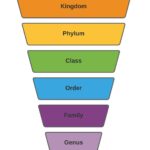
Family A rank in the scientific classification of plants that groups together related genera sharing key characteristics—often in the structure of their flowers, fruits, or seeds. For example, the rose family (Rosaceae) includes not only roses but also apples, cherries, and hawthorns. Recognizing a plant's family is often the first step in identifying it and understanding how it relates to other plants.
Glossary: Taxonomy / naming
Purdue Arboretum botanical terminology reference and learning database.
Taxonomy / naming
Genus A rank in plant classification that groups together closely related species sharing many characteristics—typically more alike than plants grouped only at the family level. A genus forms the first part of a plant's two-part scientific name; for example, in the oaks ( Quercus ), Quercus rubra (red oak) and Quercus alba (white oak) belong to the same genus. Knowing a plant's genus helps with…
Monotypic Referring to a genus that has but one species. This term helps classify plants so they can be identified and discussed clearly. Did you know? Ginkgo biloba is the only living species in its genus and one of the most isolated trees on Earth.
Species The most basic rank in plant classification, identifying a specific kind of plant whose members share the same characteristics and can naturally reproduce with one another. A species is named by two words—the genus followed by the species epithet; for example, Quercus rubra is the species commonly known as red oak. While a genus groups related plants together, the species pinpoints one particular kind…
Subspecies A subdivision of a species. This term helps classify plants so they can be identified and discussed clearly.
Taxon A unique plant name. This term helps classify plants so they can be identified and discussed clearly.
Variety A subdivision of a species. This term helps classify plants so they can be identified and discussed clearly.