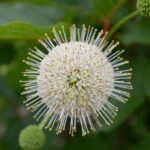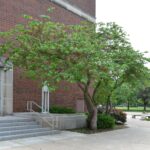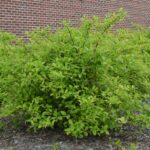
Shrub Indiana Native Cephalanthus occidentalis [Common Buttonbush] Buttonbush is an Indiana native and a wet-soil tolerant shrub found near marshes, wetlands, and river banks. This is a great choice for those wet areas in the landscape or a featured shrub in your rain garden. The flowers of this shrub are globe-like in shape and bloom from June through August, attracting wildlife such as butterflies. The leaves of the Buttonbush emerge late in the Spring and might look dead until mid-May. Though this…
Tree Indiana Native Cercis canadensis [Eastern Redbud] A fine small tree that grows wild in many parts of Indiana. Relatively trouble-free and drought-resistant. Requires some protection from the sun in hotter climates, however flowering decreases with deep shade. Canker, leaf spot, and verticillium wilt can be problematic for older trees, or trees weakened by other environmental stresses. Due to genetic variability, be sure of seed source. Long tap root means that older plants transplant poorly.
Tree Chamaecyparis obtusa 'Confucius' [Confucius Hinoki Cypress] This evergreen is unique with its brightly colored foliage, it has a range of colors including bright yellow, gold, and rich green. This cultivar is a semi-dwarf kind with a pyramidal form. It is best grown in full sun to partial shade and is hardy in zone 5.
Shrub/Tree Chamaecyparis obtusa 'Filicoides' [Fernspray Hinoki Falsecypress] Chamaecyparis obtusa 'Filicoides' is a slow-growing, irregularly-branched, open shrub or small tree that has straggly branches with clusters of fernspray foliage. This plant grows well in average soils, as long as they are well-drained. Provide shelter from the wind.
Shrub Indiana Native Clethra alnifolia [Summersweet Clethra] Spreads by underground stems to make large clumps, but can be restrained when necessary. Can be badly infested with mites, especially on dry soils. Can suffer in full sun and/or dry soils, but can bloom well in shade.
Tree Indiana Native Cornus alternifolia [Pagoda Dogwood] Broad-spreading, low branched, forming stratified tiers, very interesting branching habit. Leaf spot and twig blight/canker can be problem for older trees.
Shrub Indiana Native Cornus amomum [Silky Dogwood] Easy to transplant. Relatively trouble-free. A three-year pruning cycle improves form, vigor, and winter stem color effect. Cutting all stems 6-12" from ground in late winter has similar effect. Best in mass plantings. Excellent for winter color. Scale and leaf spot can be a problem. Can appear a bit coarse in the landscape.
Shrub/Tree Indiana Native Cornus racemosa [Gray Dogwood] The Gray Dogwood is a tough, suckering, deciduous shrub that is native to Indiana and is noted for its small, white flower clusters, white fruits, and persisting red fruit pedicels. Tolerates poor soils (including wet soils), drought, full sun, full shade, and air pollution. Suckers can become a problem if not controlled.
Shrub Indiana Native Cornus sericea [Redosier Dogwood] This plant has red twigs all year round, but the color is especially prominent in winter. Grows well in a variety of situations, including wet soil. Easy to transplant. Relatively trouble-free. A three-year pruning cycle improves form, vigor, and winter stem color effect. Cutting all stems 6-12" from ground in late winter has similar effect. Best in mass plantings. Excellent for winter color. Leaf blights and twig cankers can be problematic.
Shrub Indiana Native Corylus americana [American Hazelnut] The American Hazelnut is a medium to fast growing shrub and an Indiana native. Being monoecious, the male catkins are 1 1/2 to 3" long, that emerge yellowish brown and are quite showy in early spring. The female catkins are inconspicuous with its stigma and style barely protruding out of the buds, but the color is a rich red. The American Hazelnut is a great large shrub for native restoration projects or adding seasonal interest…