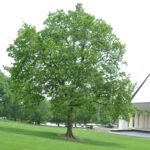
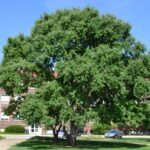
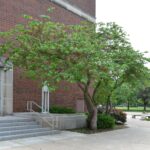
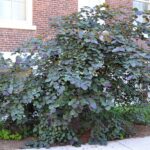
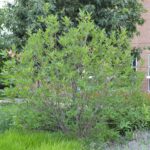
Shrub Indiana Native Cornus amomum [Silky Dogwood] Easy to transplant. Relatively trouble-free. A three-year pruning cycle improves form, vigor, and winter stem color effect. Cutting all stems 6-12" from ground in late winter has similar effect. Best in mass plantings. Excellent for winter color. Scale and leaf spot can be a problem. Can appear a bit coarse in the landscape.
Shrub/Tree Cornus officinalis [Japanese Cornel Dogwood] The Japanese Cornel Dogwood is a large multi-stemmed shrub or small tree of oval rounded outline, usually branching to the ground. No serious disease problems, although it sometimes suckers abundantly. These suckers should be removed to control spread; this is especially important if maintaining this plant in tree form. Closely related to Cornus mas, but tends to have more attractive bark, is more open in habit, flowers one to two weeks earlier, and is slightly…
Shrub/Tree Cotinus × 'Grace' [Grace Smokebush] 'Grace' has become a popular cultivar with its purple emerging leaves and giant panicles of smokey, pink flowers. The "flowers" are actually misty fruiting panicles that give the species its name. The fine-textured hairs on the fruit pedicels and peduncles change colors, being best when tinted smoky pink. Can be pruned to low framework each year to promote plant coloration which occurs best on vigorous stems.
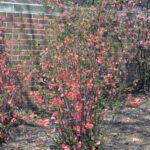
Shrub Indiana Native Dasiphora fruticosa [Bush Cinquefoil] Extreme hardiness and long season of bloom make this a favorite in severe climates. Low stature and tolerance of poor, dry soils give it added usefulness in other areas also. Can develop a ragged, unkept habit over time. Remove 1/3 of canes each year (3-year pruning cycle), and consider renewal pruning to a very low framework every 3-5 years if needed.
Tree Indiana Native Gleditsia aquatica [Water Locust] This native Indiana tree species is found in three southwestern counties near the lower Wabash River. It is often found in wet or ponded locations where there is standing water or high water tables. Not recommended for the landscape as it has large, multi-pronged thorns. Like its cousin, the honey locust, it has compound leaves, but can be differentiated by its location, much smaller seed pods, and flattened thorns along the branches.
Herbaceous Heliopsis helianthoides var. scabra 'Summer Sun' [sold as Summer Sun Rough Sunflower] [Summer Sun False Sunflower]
Shrub Hypericum calycinum [Creeping St. John's Wort] Relatively trouble-free. Tolerates dry conditions well (even drier shade). Generally, tops are killed back in severe winters near its limit of hardiness. Mowing to the ground each spring improves aesthetics of the following regrowth. Slow to leaf out in spring. Can be invasive via spreading stolons. Poisonous to animals.
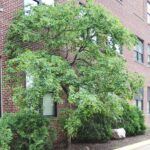
Tree Koelreuteria paniculata [Goldenraintree] Colorful small tree in bloom and interesting for its form. Tolerates heat, drought, wind, alkaline soils, and air pollution. Newly emerging leaves can be damaged by late spring freezes. Rather weak-wooded. Can be damaged or killed by –25 degrees F. Invasive in some parts of the country.
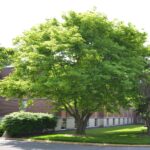
Tree Indiana Native Liquidambar styraciflua [American Sweetgum] Handsome shade tree with few troubles and outstanding seasonal interest. Widely adapted to soils and climates, as evidenced by its wide range. Fall foliage coloration varies greatly in timing and intensity among individuals. Rather difficult to transplant in large sizes. Varies widely in hardiness. Select native northern stock for use in North. Horned fruits can be a serious litter problem, dulling mower blades and injuring bare feet. Also see Liquidambar styraciflua (Shuttle Gum Group).
Tree Indiana Native Liquidambar styraciflua (Shuttle Gum Group) [American Sweetgum] This group of Liquidambar styraciflua (Sweetgum) trees was germinated in August of 1984 after a mission aboard the space shuttle Discovery. Purdue astronaut Charles Walker of Bedford, Indiana, brought back 200 tiny trees; these recognize Purdue's many astronauts. Sweetgums are handsome shade trees with few troubles and outstanding seasonal interest. Widely adapted to soils and climates, as evidenced by their wide range. Fall foliage coloration varies greatly in timing and intensity among individuals. Rather difficult…