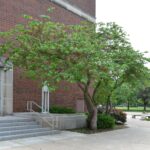
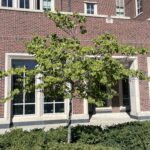
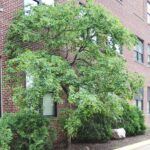
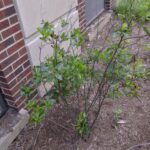
Tree Indiana Native Cercis canadensis [Eastern Redbud] A fine small tree that grows wild in many parts of Indiana. Relatively trouble-free and drought-resistant. Requires some protection from the sun in hotter climates, however flowering decreases with deep shade. Canker, leaf spot, and verticillium wilt can be problematic for older trees, or trees weakened by other environmental stresses. Due to genetic variability, be sure of seed source. Long tap root means that older plants transplant poorly.
Tree Cercis canadensis 'Alba' [White Eastern Redbud] 'Alba' is a white-flowering Eastern Redbud ("Whitebud"). Relatively trouble-free and drought-resistant. Requires some protection from the sun in hotter climates, however flowering decreases with deep shade. Canker, leaf spot, and verticillium wilt can be problematic for older trees, or trees weakened by other environmental stresses. Long tap root means that older plants transplant poorly.
Tree Cercis canadensis 'Appalachian Red' [Appalachian Red Eastern Redbud] 'Appalachian Red' is known for its profusion of intensely bright pink (not quite red) flowers in the spring. A fine small tree that is relatively trouble-free and drought-resistant. Requires some protection from the sun in hotter climates, however flowering decreases with deep shade. Canker, leaf spot, and verticillium wilt can be problematic for older trees, or trees weakened by other environmental stresses. Long tap root means that older plants transplant poorly.
Tree Cercis canadensis 'Royal White' [Royal White Eastern Redbud] 'Royal White' is known for its abundant white flowers and cold hardiness. This cultivar's white blooms are larger than those found on 'alba' and it is the most cold hardy form. A fine small tree that is relatively trouble-free and drought-resistant. Requires some protection from the sun in hotter climates, however flowering decreases with deep shade. Canker, leaf spot, and verticillium wilt can be problematic for older trees, or trees weakened by other environmental stresses.…
Tree Cercis canadensis 'Rubye Atkinson' [Pink Flowering Eastern Redbud] 'Rubye Atkkinson' has strongly pink and slightly smaller flowers, distinctly different from the purplish-pink flowers of the straight species. A fine small tree that is relatively trouble-free and drought-resistant. Requires some protection from the sun in hotter climates, however flowering decreases with deep shade. Canker, leaf spot, and verticillium wilt can be problematic for older trees, or trees weakened by other environmental stresses. Long tap root means that older plants transplant poorly.
Tree Cercis canadensis 'Wither’s Pink Charm' [Wither's Pink Charm Eastern Redbud] 'Wither's Pink Charm' produces beautiful pure pink flowers in the spring. A fine small tree that is relatively trouble-free and drought-resistant. Requires some protection from the sun in hotter climates, however flowering decreases with deep shade. Canker, leaf spot, and verticillium wilt can be problematic for older trees, or trees weakened by other environmental stresses. Long tap root means that older plants transplant poorly.
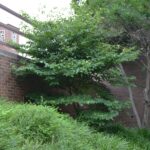
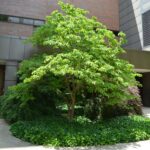
Tree Indiana Native Cornus alternifolia [Pagoda Dogwood] Broad-spreading, low branched, forming stratified tiers, very interesting branching habit. Leaf spot and twig blight/canker can be problem for older trees.
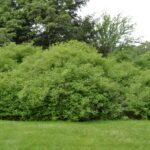
Shrub Indiana Native Cornus amomum [Silky Dogwood] Easy to transplant. Relatively trouble-free. A three-year pruning cycle improves form, vigor, and winter stem color effect. Cutting all stems 6-12" from ground in late winter has similar effect. Best in mass plantings. Excellent for winter color. Scale and leaf spot can be a problem. Can appear a bit coarse in the landscape.
Tree Indiana Native Cornus florida [Flowering Dogwood] One of the finest small trees, interesting at almost every season. Distinct horizontal branching patterns. Widely adaptable, but material of different geographic origin varies widely in hardiness. Fruit is an important food supply for native birds and other animals. Not extremely drought-tolerant, but useful in most parts of the Midwest. Dogwood borer and dogwood anthracnose (caused by Discula destructiva) can be problematic, especially in the Eastern and Southern US. Difficult to transplant. Not pollution tolerant.…