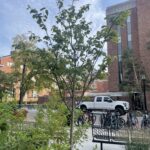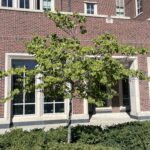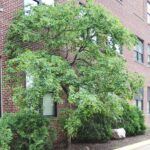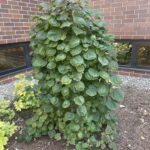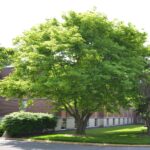
Tree Indiana Native Audio Recording AvailablePurdue Plant Doctor Available Cornus florida var. rubra [Pink Flowering Dogwood] The variety rubra is a group of Flowering Dogwoods with beautiful pink bracts of varying intensities. Flowering Dogwoods are one of the finest small trees, interesting at almost every season, and with a branching pattern that is distinctly horizontal. Widely adaptable, but material of different geographic origin varies widely in hardiness, and the flowers of variety rubra tend to be less cold hardy than those of the white flowering type. Fruit is an important food… Indiana NativeAudio Recording AvailablePurdue Plant Doctor Available
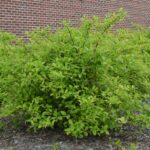
Shrub/Tree Indiana Native Audio Recording AvailablePurdue Plant Doctor Available Cornus racemosa [Gray Dogwood] The Gray Dogwood is a tough, suckering, deciduous shrub that is native to Indiana and is noted for its small, white flower clusters, white fruits, and persisting red fruit pedicels. Tolerates poor soils (including wet soils), drought, full sun, full shade, and air pollution. Suckers can become a problem if not controlled. Indiana NativeAudio Recording AvailablePurdue Plant Doctor Available
Shrub Indiana Native Audio Recording AvailablePurdue Plant Doctor Available Cornus sericea [Redosier Dogwood] This plant has red twigs all year round, but the color is especially prominent in winter. Grows well in a variety of situations, including wet soil. Easy to transplant. Relatively trouble-free. A three-year pruning cycle improves form, vigor, and winter stem color effect. Cutting all stems 6-12" from ground in late winter has similar effect. Best in mass plantings. Excellent for winter color. Leaf blights and twig cankers can be problematic. Indiana NativeAudio Recording AvailablePurdue Plant Doctor Available
Shrub Indiana Native Audio Recording AvailableID That Tree Video AvailablePurdue Plant Doctor Available Corylus americana [American Hazelnut] The American Hazelnut is a medium to fast growing shrub and an Indiana native. Being monoecious, the male catkins are 1 1/2 to 3" long, that emerge yellowish brown and are quite showy in early spring. The female catkins are inconspicuous with its stigma and style barely protruding out of the buds, but the color is a rich red. The American Hazelnut is a great large shrub for native restoration projects or adding seasonal interest… Indiana NativeAudio Recording AvailableID That Tree Video AvailablePurdue Plant Doctor Available
Tree Indiana Native Audio Recording AvailableID That Tree Video AvailablePurdue Plant Doctor Available Crataegus crus-galli [Cockspur Hawthorn] The strong horizontal branching is good for softening vertical lines of buildings. The 2-3" thorns can be dangerous, especially around children. Although attractive, some find the small, white flowers malodorous. Fireblight, leaf spot, and cedar-hawthorn rust are among the worst problems to affect this species. Japanese beetles like to feed on hawthorns. Indiana NativeAudio Recording AvailableID That Tree Video AvailablePurdue Plant Doctor Available
Tree Indiana Native Audio Recording AvailableID That Tree Video AvailablePurdue Plant Doctor Available Crataegus mollis [Downy Hawthorn] Quite susceptible to cedar-hawthorn rust, with leaves heavily spotted with orange in some years. Rust limits usage in many areas. Large fruit pose a maintenance issue when they drop. Indiana NativeAudio Recording AvailableID That Tree Video AvailablePurdue Plant Doctor Available
Tree Indiana Native Audio Recording AvailableID That Tree Video AvailablePurdue Plant Doctor Available Crataegus phaenopyrum [Washington Hawthorn] One of the finest small trees for winter color. The 1-3" thorns can be dangerous, especially around children. Fireblight, leaf spot, and cedar-hawthorn rust are among the worst problems, although more trouble-free than many hawthorns. Japanese beetles like to feed on hawthorns. Indiana NativeAudio Recording AvailableID That Tree Video AvailablePurdue Plant Doctor Available
Tree Indiana Native Audio Recording AvailableID That Tree Video AvailablePurdue Plant Doctor Available Crataegus viridis [Green Hawthorn] An attractive small tree with beautiful white flower corymbs and bright red persistent fruits. Very adaptable, although leaves are often badly infected by rust so that the entire plant appears to be suffering from the measles. Indiana NativeAudio Recording AvailableID That Tree Video AvailablePurdue Plant Doctor Available
Shrub Indiana Native Audio Recording AvailablePurdue Plant Doctor Available Dasiphora fruticosa [Bush Cinquefoil] Extreme hardiness and long season of bloom make this a favorite in severe climates. Low stature and tolerance of poor, dry soils give it added usefulness in other areas also. Can develop a ragged, unkept habit over time. Remove 1/3 of canes each year (3-year pruning cycle), and consider renewal pruning to a very low framework every 3-5 years if needed. Indiana NativeAudio Recording AvailablePurdue Plant Doctor Available
Tree Indiana Native Audio Recording AvailableID That Tree Video Available Diospyros virginiana [Common Persimmon] Most are usually dioecious and have a deep tap root which makes large plants difficult to transplant. Flowers attract bees while the fruit attracts birds and many mammals. The fruit is astringent when green, sweet and edible when ripe. Fruits, twigs, and leaves can be a littler problem. Indiana NativeAudio Recording AvailableID That Tree Video Available