

Additional Information
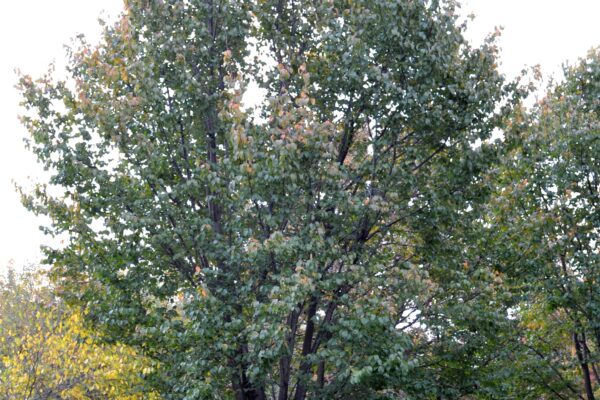
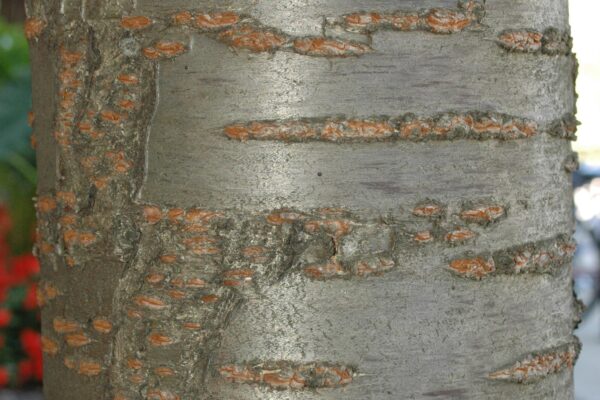
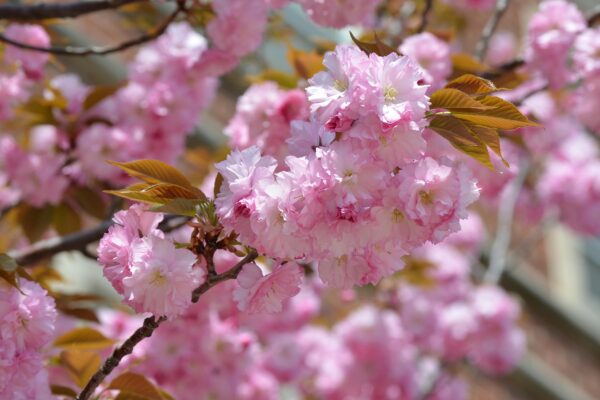
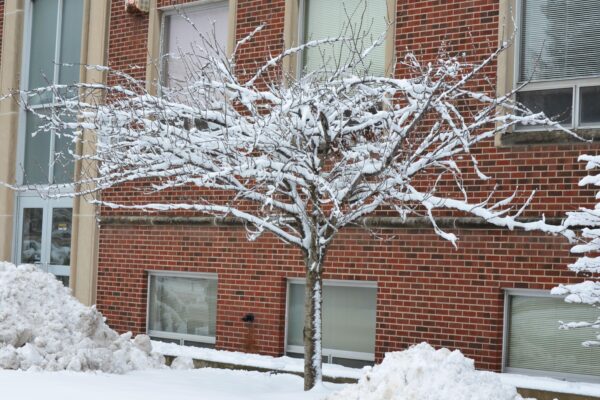
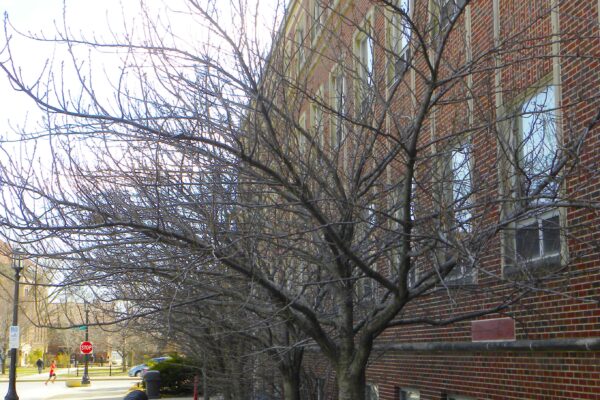
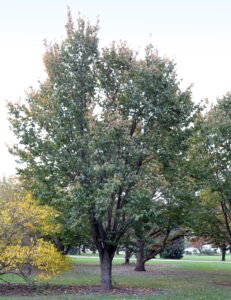
The Japanese Flowering Cherry prefers rich, moist, well-drained loams and full sun. It can tolerate part shade (at the expense of blooms), as well as heat, humidity, and even some drier soils (once it is established). This tree is susceptible to many pests, including leaf spot, powdery mildew, fireblight, Japanese beetles, aphids, scale, borers, leafhoppers, and caterpillars. 'Kwanzan', which is also known as 'Kanzan' or 'Sekiyama,' grows 30 to 40 feet high. This variant, sometimes sold as a grafted tree, has large, dark pink, double flowers, and does not produce fruit. It is the most popular form of the Japanese Flowering Cherry, but unfortunately also tends to be short-lived. Prunus serrulata 'Kwanzan' is also one of the cherry trees used for the annual Cherry Blossom Festival in Washington, D.C.