
Carya illinoinensisIndiana NativeIndiana Native
Pecan

 Plant Type:
 Growth Forms:
 Hardiness:
 Deciduous / Evergreen:
 Flower Notes:
Green (Green-yellow monoecious flowers in spring; not ornamentally important)
 Foliage Notes:
Green (Medium green to yellow-green summer foliage); Brown (Poor yellow-brown fall color)
 Stem Notes:
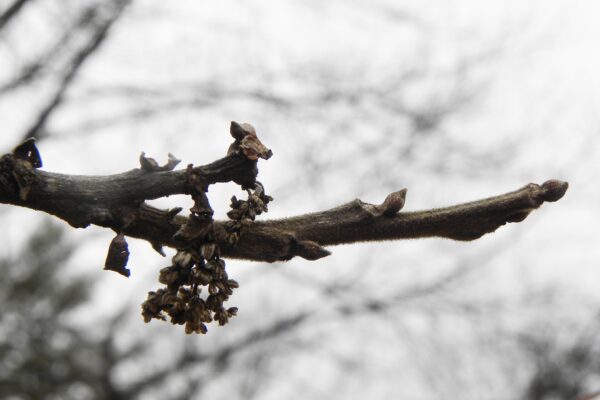
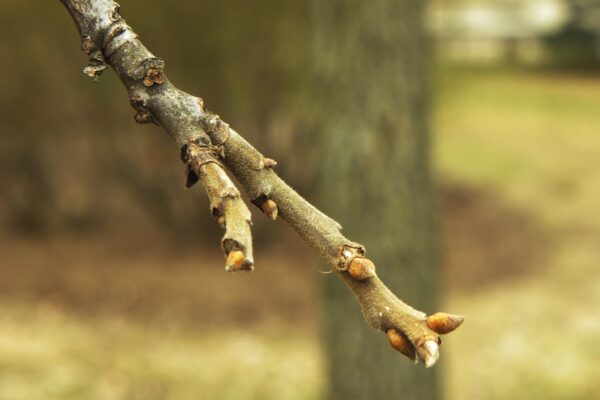
stout, olive-brown, pubescent
 Fruit Notes:
Brown (Nuts encased in a green husk that matures to brown and splits open when ripe; appear in summer and ripen in fall)
 Ultimate Height:
70-100 feet
 Ultimate Spread:
40-75 feet
 Bloom Times:
 Light Requirements:
 Soil Water Requirements:
 Soil Notes:
Prefers deep, rich, moist, well-drained soils
 Range:
Eastern United States and into Mexico
 Maintenance:
 Diagnostic Characteristics:
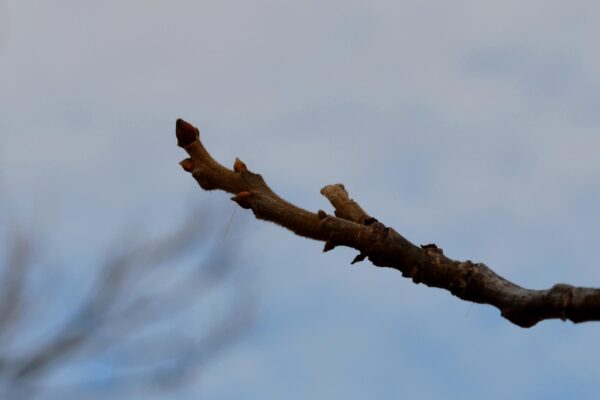
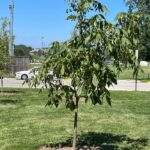
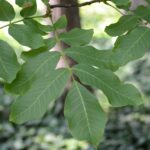
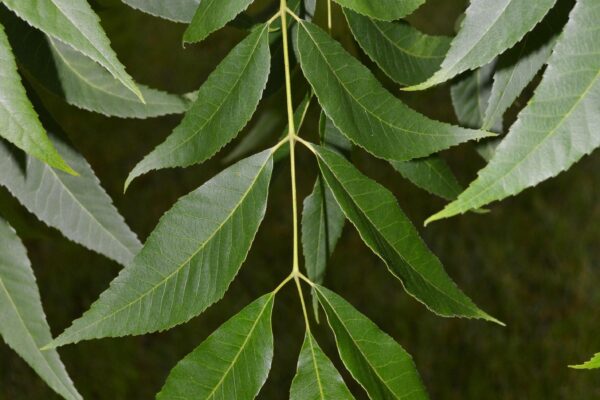
Leaves (12-20" long) are alternate, oddly pinnately compound, with 9-17 serrated and pointed leaflets, each 4-7" long by 1-3" wide. Buds are ovoid, dark brown, and pubescent.

Additional Information

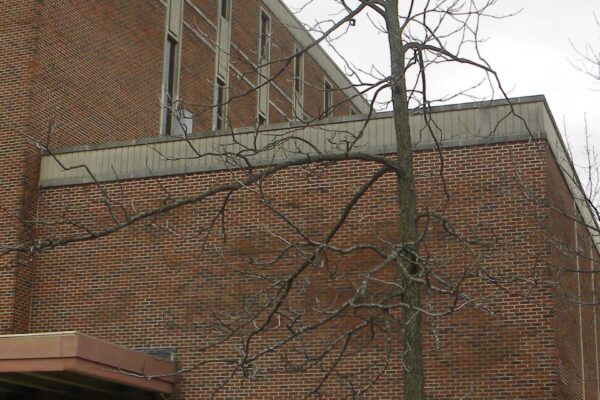
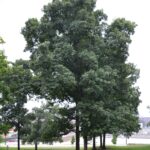
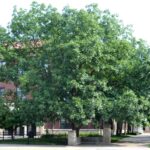
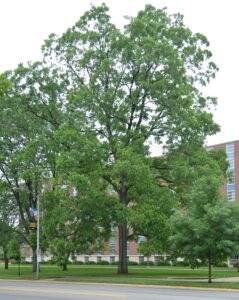
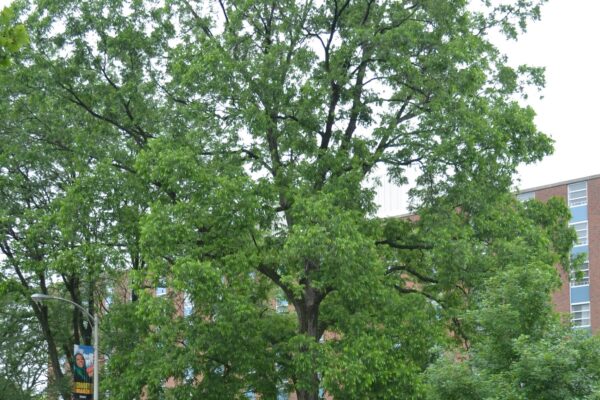
The Pecan is a tall, straight-trunked tree and is the largest of the hickories. It is well-known for its sweet, edible nuts and because of this, it is an important horticultural crop in the south, where it produces fruit most abundantly. However, it is not generally recommended for use in the landscape, due to its pest susceptibility and litter problem. With its large taproot, it can also be quite difficult to transplant.
The Purdue Arboretum is a collaboration between the Department of Horticulture and Landscape Architecture and Physical Facilities Grounds Department

Purdue Arboretum, 625 Agriculture Mall Dr, West Lafayette, IN, 47907
© 2026 Purdue UniversityAn equal access/equal opportunity universityCopyright ComplaintsMaintained by Purdue Arboretum Explorer
Contact Purdue Arboretum at arboretum@purdue.edu for accessibility issues with this page | Accessibility Resources | Contact Us