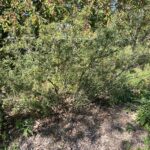



Gleditsia triacanthos f. inermisIndiana NativeIndiana Native
Thornless Common Honeylocust

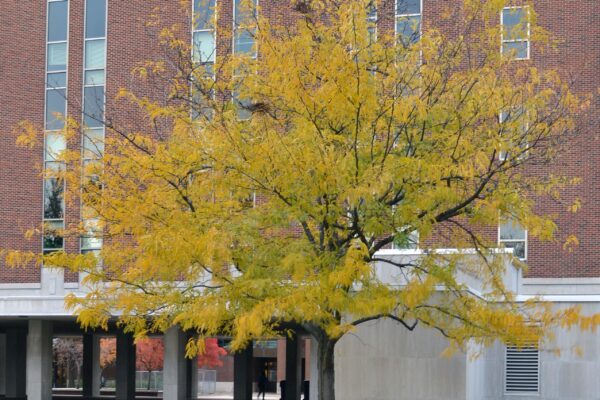
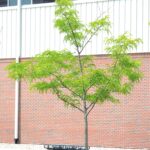
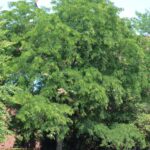
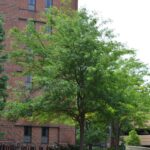
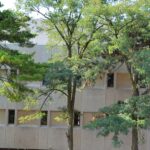
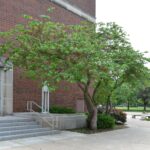
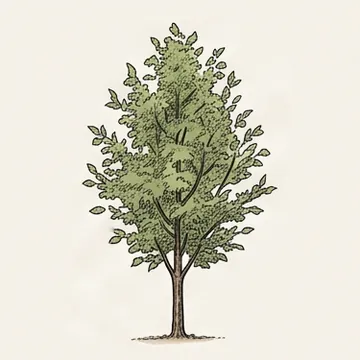
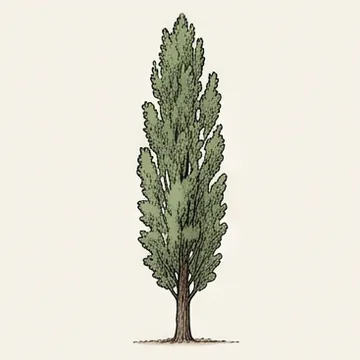
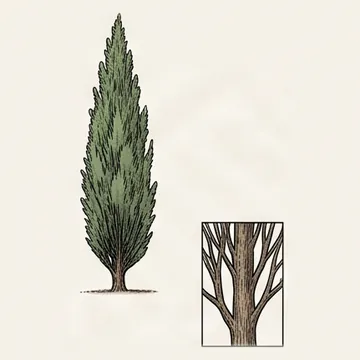
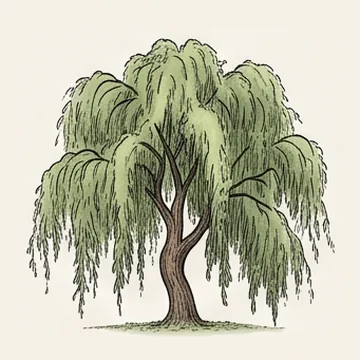
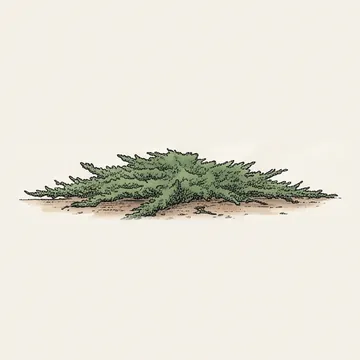
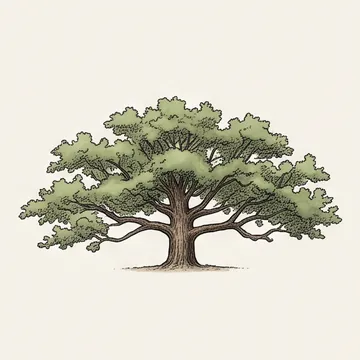
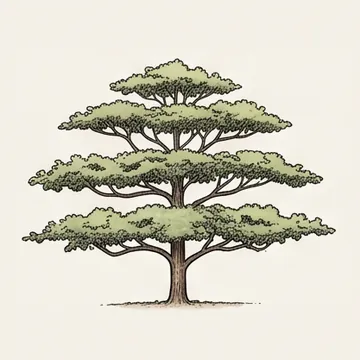
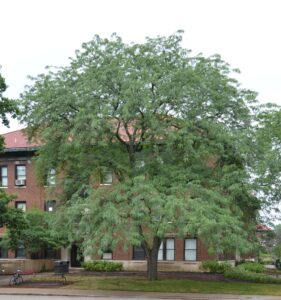
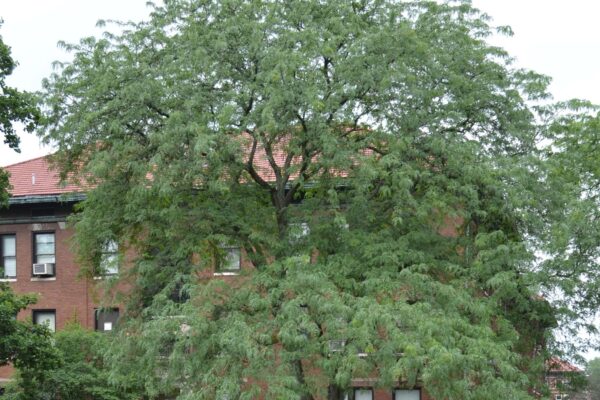
Gleditsia triacanthos f. inermis - Tree Habit
 Plant Type:
 Growth Forms:
 Hardiness:
 Deciduous / Evergreen:
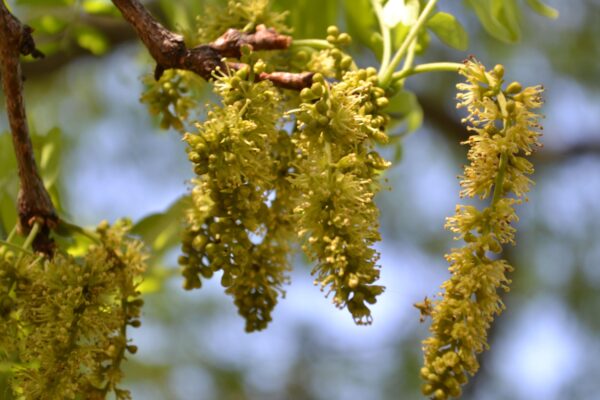
 Flower Notes:
Yellow (Spring; not ornamentally important)
 Foliage Notes:
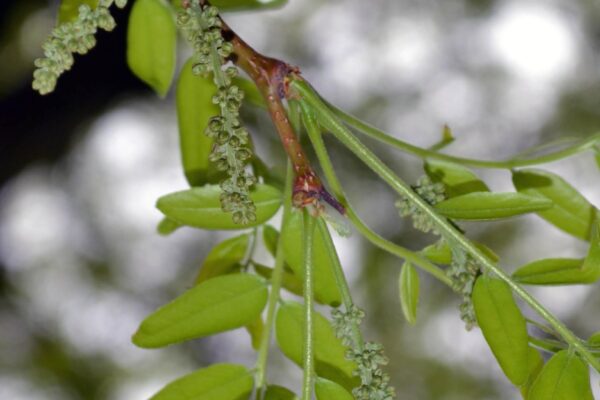
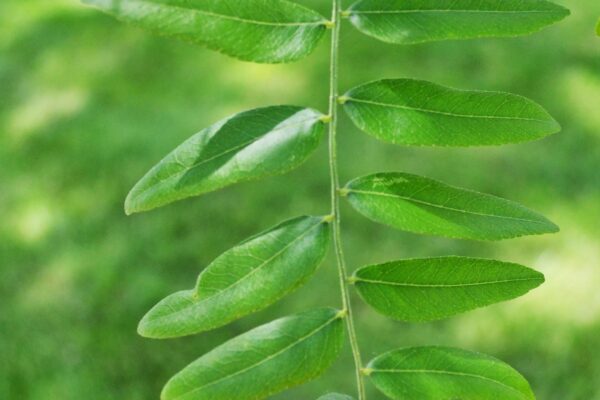
Green (Dark green pinnately compound summer foliage); Yellow (Pleasant, bright yellow fall coloration)
 Stem Notes:
Multi-colored (Reddish to greenish brown, shining, smooth, often streaked, zig-zag with enlarged nodes)
 Fruit Notes:
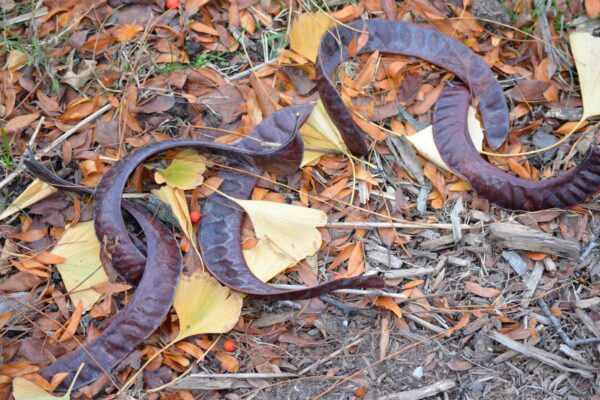
Brown (Long (7-18"), interesting pods; can be a litter problem)
 Ultimate Height:
30-70 feet
 Ultimate Spread:
30-50 feet
 Bloom Times:
 Soil Water Requirements:
 Soil Notes:
Widely adapted to soils
 Range:
United States, Pennsylvania to Iowa south to Georgia and Texas
 Maintenance:
 Diagnostic Characteristics:
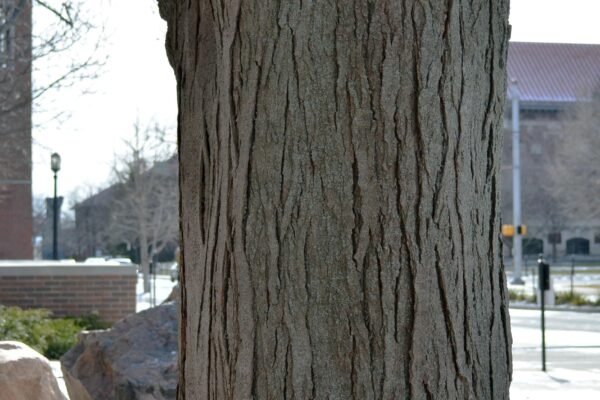
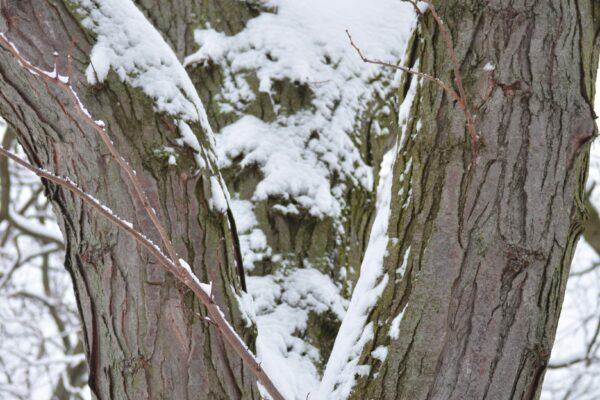
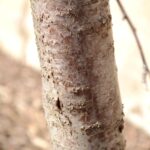
Leaves alternate, pinnately or bipinnately compound, 6-8" long with pubescent rachis and leaflets only 0.3-1.5" long. Zig-zag branches with swollen nodes of a shining red to reddish to greenish-brown color. Fruits (when present) are 7-18" reddish-brown pods that persist. Bark is divided into flat plates, separated by deep ridges.

Additional Information

This large tree has finely compound leaves that provide a pleasant, dappled shade in the summer. The thornless forma inermis is only sold in commerce, as the profuse thorns of the species type can be a liability. Mimosa webworm and locust mite are serious pests in the Midwest, and are becoming more serious (especially in areas tending toward monoculture). Can be controlled with spraying.
The Purdue Arboretum is a collaboration between the Department of Horticulture and Landscape Architecture and Administrative Operations

Purdue Arboretum, 625 Agriculture Mall Dr, West Lafayette, IN, 47907
© 2026 Purdue UniversityAn equal access/equal opportunity universityCopyright ComplaintsMaintained by Purdue Arboretum Explorer
Contact Purdue Arboretum at arboretum@purdue.edu for accessibility issues with this page | Accessibility Resources | Contact Us