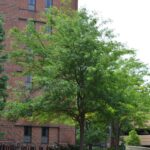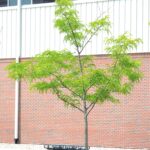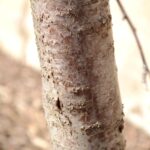
Gleditsia aquaticaIndiana NativeIndiana Native
Water Locust
Other Common Names: Swamp Locust

Also known as:  Gleditsia monosperma
 Plant Type:
 Growth Forms:
 Hardiness:
 Deciduous / Evergreen:
 Flower Notes:
Small, bell-shaped. Grow on 2" long racemes.
 Foliage Notes:
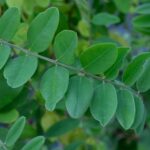
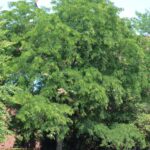
Compound leaves measure up to thirty inches long. The small leaflets occur in six to fourteen pairs on a leaf.
 Stem Notes:
3-5" long reddish-brown thorns growing both on the lower parts of the trunk and out along the branches.
 Fruit Notes:
Produces eye-shaped seedpods, about 1.5-inches long and flat.
 Ultimate Height:
50-60' feet
 Ultimate Spread:
25-35' feet
 Bloom Times:
 Light Requirements:
 Soil Water Requirements:
 Soil Notes:
Thrives in the wet, alluvial soils of river valleys, sloughs, and swamps
 Range:
Coastal Plain, extending from South Carolina to central Florida, west to eastern Texas, and up the Mississippi River valley to southern Illinois and Indiana. It can also be found in scattered populations along the Gulf and Atlantic coasts and as far north as southern New York and southwestern Connecticut.
 Maintenance:
 Ecological Functions:
  Special Characteristics:

Additional Information

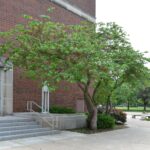
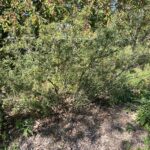
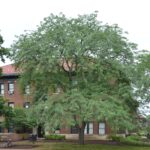
This native Indiana tree species is found in three southwestern counties near the lower Wabash River. It is often found in wet or ponded locations where there is standing water or high water tables. Not recommended for the landscape as it has large, multi-pronged thorns.  Like its cousin, the honey locust, it has compound leaves, but can be differentiated by its location, much smaller seed pods, and flattened thorns along the branches.
The Purdue Arboretum is a collaboration between the Department of Horticulture and Landscape Architecture and Physical Facilities Grounds Department

Purdue Arboretum, 625 Agriculture Mall Dr, West Lafayette, IN, 47907
© 2026 Purdue UniversityAn equal access/equal opportunity universityCopyright ComplaintsMaintained by Purdue Arboretum Explorer
Contact Purdue Arboretum at arboretum@purdue.edu for accessibility issues with this page | Accessibility Resources | Contact Us