

Euonymus atropurpureusIndiana NativeIndiana Native
Eastern Wahoo
Other Common Names: American Burning Bush, Wahoo

 Plant Type:
 Growth Forms:
 Hardiness:
 Deciduous / Evergreen:
 Flower Notes:
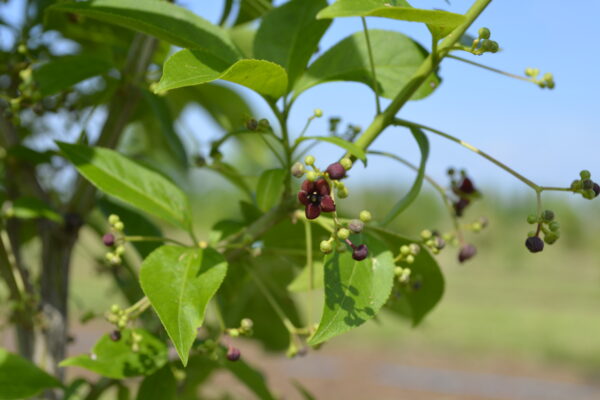
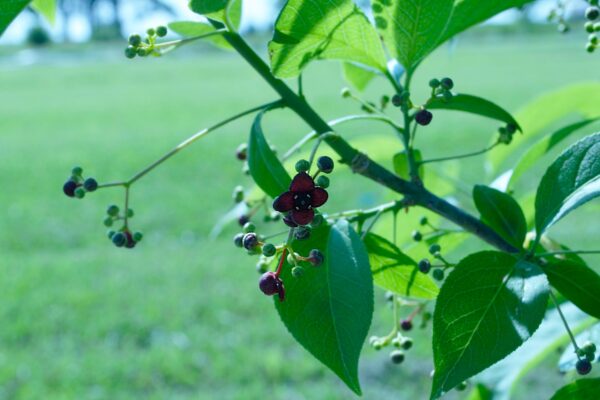
Purple (Deep, dark purple.)
 Foliage Notes:
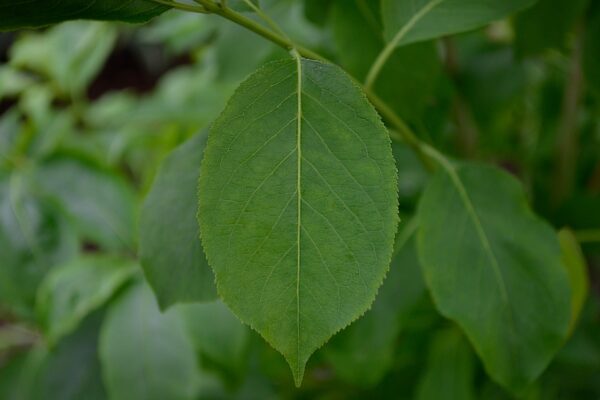
Green (Dark green in summer.); Red (Brilliant red fall color)
 Stem Notes:
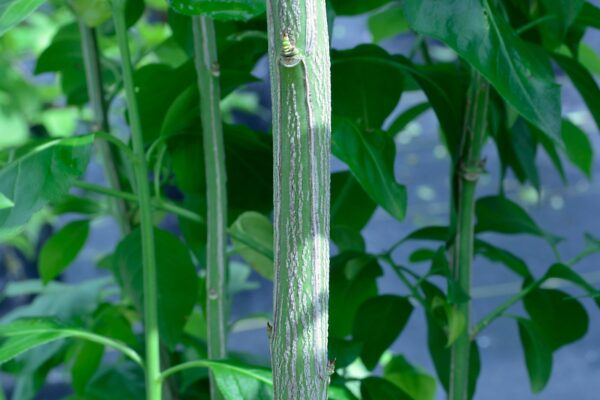
Green (slender, glabrous, slight corky lines)
 Fruit Notes:
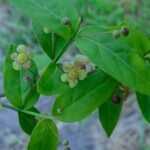
Red (Crimson red capsules)
 Ultimate Height:
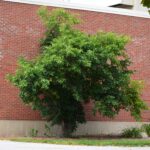
12-24 feet
 Ultimate Spread:
15-25 feet
 Bloom Times:
 Light Requirements:
 Soil Water Requirements:
 Soil Notes:
Prefers moist, well drained soils, pH adaptable.
 Range:
Eastern United states, north to Minnesota, and west to Texas
 Maintenance:
 Diagnostic Characteristics:
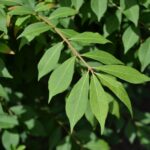
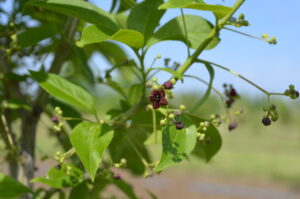
Leaves are opposite, simple, elliptic, to ovate-elliptic, 1 1/2 to 5" long, 3/4 to 2 1/4" wide, acuminate, serrulate, dark green, pubescent beneath; petiole - 1/3 to 2/3" long. Buds are small, green tinged red, appressed, with 5 to 6 scales. Stems are slender, greenish, glabrous, usually more or less (mostly less) 4-angled, often with slight, corky lines. Fruit capsules are smooth, 3/5" diameter, deeply 4-lobed, and crimson when ripe. Seeds bright red and appear when capsules split open.

Additional Information

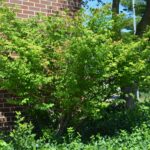
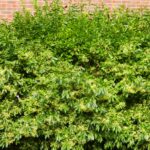
The Easter Wahoo is an Indiana native shrub/small tree that can be found in open woods or along forest edges and is grown for its attractive red fruits and great fall color. Due to its irregular habit, the Eastern Wahoo can be an issue in the formal landscape, but regular pruning can fix this issue. Far less invasive than the infamous Euonymus alatus (Winged Euonymus or Burning Bush). Flowers are small, rich purple that bloom in mid-summer. Bright red fruit capsules ripen in early fall, attracting wildlife. Great shrub/small tree selection for a rain garden.
When Euonymus atropurpureus has been observed flowering or fruiting at Purdue University

Flowering

JanFebMarAprMayJunJulAugSepOctNovDec
Week 1 flowering not presentWeek 2 flowering not presentWeek 3 flowering not presentWeek 4 flowering not presentWeek 5 flowering not presentWeek 6 flowering not presentWeek 7 flowering not presentWeek 8 flowering not presentWeek 9 flowering not presentWeek 10 flowering not presentWeek 11 flowering not presentWeek 12 flowering not presentWeek 13 flowering not presentWeek 14 flowering not presentWeek 15 flowering not presentWeek 16 flowering not presentWeek 17 flowering not presentWeek 18 flowering not presentWeek 19 flowering not presentWeek 20 flowering not presentWeek 21 flowering not presentWeek 22 flowering not presentWeek 23 flowering not presentWeek 24 flowering presentWeek 25 flowering not presentWeek 26 flowering not presentWeek 27 flowering not presentWeek 28 flowering not presentWeek 29 flowering not presentWeek 30 flowering not presentWeek 31 flowering not presentWeek 32 flowering not presentWeek 33 flowering not presentWeek 34 flowering not presentWeek 35 flowering not presentWeek 36 flowering not presentWeek 37 flowering not presentWeek 38 flowering not presentWeek 39 flowering not presentWeek 40 flowering not presentWeek 41 flowering not presentWeek 42 flowering not presentWeek 43 flowering not presentWeek 44 flowering not presentWeek 45 flowering not presentWeek 46 flowering not presentWeek 47 flowering not presentWeek 48 flowering not presentWeek 49 flowering not presentWeek 50 flowering not presentWeek 51 flowering not presentWeek 52 flowering not present

No Fruiting Observations Available

The Purdue Arboretum is a collaboration between the Department of Horticulture and Landscape Architecture and Physical Facilities Grounds Department

Purdue Arboretum, 625 Agriculture Mall Dr, West Lafayette, IN, 47907
© 2026 Purdue UniversityAn equal access/equal opportunity universityCopyright ComplaintsMaintained by Purdue Arboretum Explorer
Contact Purdue Arboretum at arboretum@purdue.edu for accessibility issues with this page | Accessibility Resources | Contact Us