Synonyms:
Galls
Gall An abnormal growth caused by insects. This feature helps describe plant form, function, or identification.

A botanical reference guide of morphological terms, plant structures, propagation techniques, and campus flora definitions.
Explore terms organized by botanical structure, morphology, and arboricultural concepts.
Gall An abnormal growth caused by insects. This feature helps describe plant form, function, or identification.
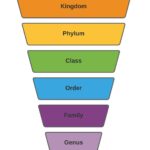
Genus A rank in plant classification that groups together closely related species sharing many characteristics—typically more alike than plants grouped only at the family level. A genus forms the first part of a plant's two-part scientific name; for example, in the oaks ( Quercus ), Quercus rubra (red oak) and Quercus alba (white oak) belong to the same genus. Knowing a plant's genus helps with…
Glabrous Smooth, not hairy. This feature helps describe plant form, function, or identification.
Gland A structure the secretes oily substances. This feature helps describe plant form, function, or identification. Did you know? Sundew leaves use sticky glandular hairs to trap insects, then digest them for nutrients.
Glaucous Having a whitish, grayish, or bluish powdery coating. This feature helps describe plant form, function, or identification. Did you know? The bluish coating on blueberries is a natural wax that helps protect the fruit.
Globose Round, globe-shaped. This term helps record, compare, or interpret plant and site information.
Glumaceous Arranged in glumes. This feature helps describe plant form, function, or identification.
Glume One of the paired bracts at the base of a grass spikelet; a chaffy bract in grasses or sedges. Did you know? Grass identification often depends on tiny bracts such as glumes, lemmas, and paleas.
Gregarious A growth form in which mushrooms fruit in relatively close proximity
Gymnosperm The group of plants having naked seeds, not encased in an ovary. Did you know? Ginkgo is a gymnosperm and a living fossil with no close living relatives.


The Purdue Arboretum is a collaboration between the Department of Horticulture and Landscape Architecture and Administrative Operations