
Pome A type of fleshy fruit. This feature is connected to how seeds are protected, nourished, or moved away from the parent plant. Did you know? Apples and pears are pomes. The edible flesh forms from tissue around the ovary, not only from the ovary wall.
Arboretum Botanical Glossary
A botanical reference guide of morphological terms, plant structures, propagation techniques, and campus flora definitions.
Browse by Subject Category
Explore terms organized by botanical structure, morphology, and arboricultural concepts.
Prickle A sharp outgrowth of the epidermis or bark, different from a thorn or spine. Did you know? Rose “thorns” are prickles, which arise from the outer stem tissue rather than being modified branches.
Procumbent Trailing or lying flat on the ground, but not rooting
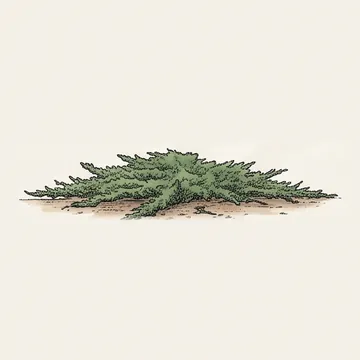
Prostrate Lying flat on the ground. This feature helps describe plant form, function, or identification.
Proximal Near the base or end of attachment. This feature helps describe plant form, function, or identification.
Proximally Occurring near the base or point of attachment. This feature helps describe plant form, function, or identification.
Pruinose With a grayish powdery coating. This feature helps describe plant form, function, or identification.
Pseudobulb A thickened above-ground modified stem of some orchids. This feature helps describe plant support, storage, water movement, or vegetative spread. Did you know? Orchid pseudobulbs store water and nutrients, helping the plant survive dry periods between rains.
Pulvinate Cushion or mat-like. This feature helps describe plant form, function, or identification.
Punctate Spotted or dotted. This feature helps describe plant form, function, or identification.