
Amyloid A type of chemical staining reaction in which the tissues of certain fungi (spore wall ornamentation, etc.) stains bluish-black in Melzer's reagent. Examples include species in the genera Russula and Lactarius.
Arboretum Botanical Glossary
A botanical reference guide of morphological terms, plant structures, propagation techniques, and campus flora definitions.
Browse by Subject Category
Explore terms organized by botanical structure, morphology, and arboricultural concepts.
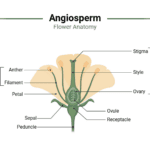
Angiosperm A plant that has its seeds encased in an ovary. All flowering plants belong to this group. Did you know? Nearly all fruits, vegetables, grains, and flowering ornamentals come from angiosperms, the flowering plants.
Anthesis The period when a flower is fully expanded and functioning.
Apetalous Without petals. This feature helps explain how flowers are arranged, how pollination happens, or how seeds begin to form. Did you know? Many wind-pollinated trees have apetalous flowers because they do not need showy petals to attract insects.
Apex The tip or end. This feature helps describe plant form, function, or identification.
Aphyllous Without leaves. This term helps record, compare, or interpret plant and site information.
Araneose Having long, entangled hairs. This feature helps describe plant form, function, or identification.
Areole A spot on a cactus from which a spine emerges Did you know? Areoles are unique to cacti. Every cactus spine, flower, or new shoot grows from an areole.
Aril An appendage growing at or near the hilum of a seed. A fleshy thickening of the seed coat, as in yews. Did you know? The juicy red parts of a pomegranate are arils, each surrounding a seed.