
Gleditsia triacanthosIndiana NativeIndiana Native
Honeylocust
Other Common Names: Honey Locust, Sweet-locust, Thorny Locust

 Plant Type:
 Hardiness:
 Deciduous / Evergreen:
 Stem Notes:
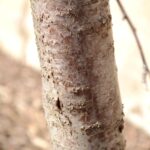
Has very think and long thorns (up to 3 inches long) on stems and branches that can be a liability in the home and commericial landscape.
 Ultimate Height:
60-80 feet feet
 Ultimate Spread:
60-80 feet feet
 Bloom Times:
 Light Requirements:
 Soil Water Requirements:
 Maintenance:
 Ecological Functions:
  Special Characteristics:

Additional Information

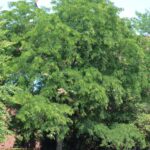
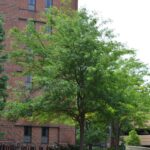
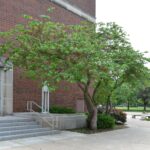
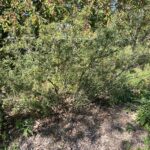
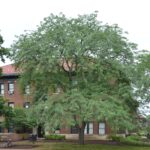
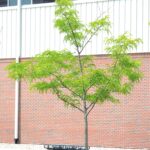
This thorny native Indiana tree species is a moderately fast-growing tree commonly found on moist bottomlands or limestone soils. It is not recommended for homes or businesses due to the potential for injury from the thorns. Despite its large thorns, it is very hardy and tolerant of drought and salinity. The thornless variety Gleditsia triacanthos f. inermis has been planted to replace the elm in many urban areas. Honeylocust pods are sweet and eaten by livestock and wildlife. The tree is relatively short-lived, reaching 125 years.
The Purdue Arboretum is a collaboration between the Department of Horticulture and Landscape Architecture and Administrative Operations

Purdue Arboretum, 625 Agriculture Mall Dr, West Lafayette, IN, 47907
© 2026 Purdue UniversityAn equal access/equal opportunity universityCopyright ComplaintsMaintained by Purdue Arboretum Explorer
Contact Purdue Arboretum at arboretum@purdue.edu for accessibility issues with this page | Accessibility Resources | Contact Us