Gymnocladus dioicusIndiana NativeIndiana Native
Kentucky Coffeetree

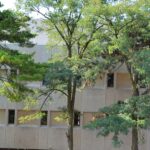
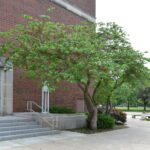
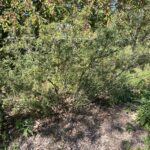
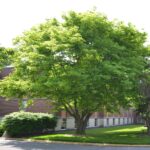
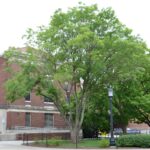
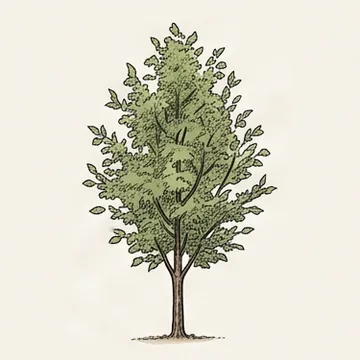
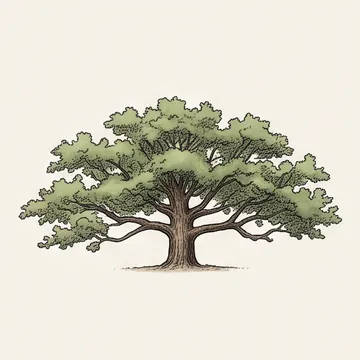
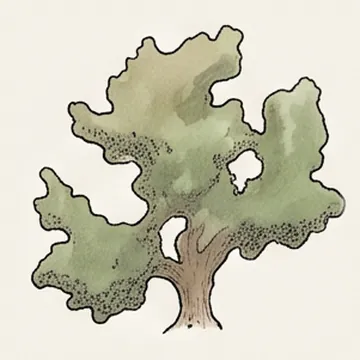
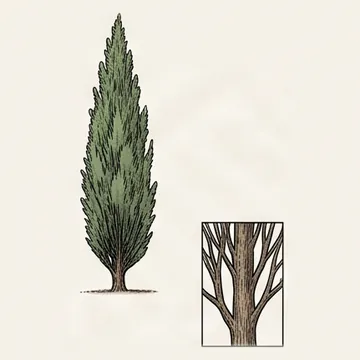
Gymnocladus dioicus - Overall Habit
Conservation status
 Plant Type:
 :
 Hardiness:
 Deciduous / Evergreen:
 Flower Notes:
White (Late spring; dioecious; male flowers in 4" clusters; female flowers, fragrant, in 12" long panicles)
 Foliage Notes:
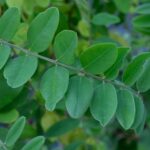
Green (Late to leaf out in the spring; blue-green bipinnately-compound leaves in the summer); Yellow (Variable fall color)
 Stem Notes:
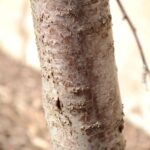
Multi-colored (very stout, gray, brown or slightly greenish, glabrous)
 Fruit Notes:
Brown (Dioecious, so the large pods only occur on females; can cause significant litter)
 Ultimate Height:
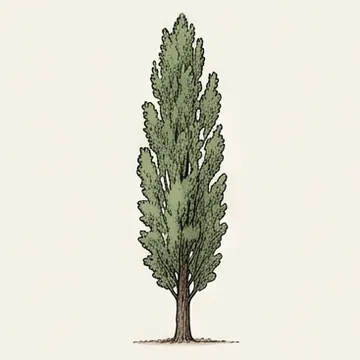
60-75 feet
 Ultimate Spread:
40-50 feet
 Bloom Times:
 Light Requirements:
 Soil Water Requirements:
 Soil Notes:
Widely adapted to soils, but less tolerant of heavy clays
 Range:
Central and eastern United States to Ontario and Quebec, Canada
 Maintenance:
 Diagnostic Characteristics:
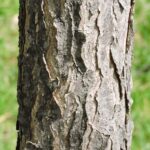
Leaves are alternate, bipinnately compound, and large to 3' long and 2' wide. Leaflets entire. Prominent, large V-shaped or heart-shaped leaf scars. Salmon colored inner bark. Fruit pods (when present) are 5-10" long by 2" wide, reddish-brown, leathery, and persist all winter. Bark is scaly, ridged, and roughened.
Additional Information

Gymnocladus dioicus is a large deciduous tree with strong winter character from the branches and bark. Drops pods (female trees) and twigs, frequently causing litter problem, thus eliminating the straight species as a good street tree. Seeds were once used by US settlers as a coffee substitute, however pulp and seeds are toxic when not properly and completely roasted.
50 Gymnocladus dioicus found

Building Map...
Loading...
= Heritage plant = Dedicated plant
Number Accession ID Location
12012_01396*BKFPC
22013_00748*AMJIS
3ORIG_1467*AAR
42012_01396*HKFPC
5ORIG_0520*AWOOD
6ORIG_4917*APGMD
72013_00257*AHORTPARK
82013_00749*AMJIS
9ORIG_0122*AMRPK
10ORIG_5000*ASCPA
112018_01032*AWINPARK
122010_12517*APVA
13ORIG_4911*APGMD
14ORIG_0522*AWOOD
152012_01396*EKFPC
162012_01396*CKFPC
172009_13047*AMJIS
18ORIG_1809*ALAMB
Heritage Plant
19ORIG_0511*AWOOD
20ORIG_4379*AWILY
21ORIG_6961*ALYNN
222012_01396*DKFPC
23ORIG_0101*AMRPK
242009_11164*AAGMALL
25ORIG_1223*AHAAS
262012_01396*AKFPC
272012_01396*FKFPC
282015_00690*AWDCT
29ORIG_2713*AGRIS
Heritage Plant
30ORIG_1224*AHAAS
312009_13046*AMJIS
322012_01396*IKFPC
332018_01032*BWINPARK
342012_01396*GKFPC
35ORIG_6960*ALYNN
36ORIG_1466*AAR
372023_00226*AMRDS
382023_00281*APWB
392023_00281*BPWB
402023_00281*CPWB
412023_00297*ADRUG
422023_00448*ASTEW
432023_00548*AHLAB
442023_00548*BMJIS
452023_00548*CMJIS
462024_00028*AHORTPARK
472025_00061*AAGMALL
482025_00064*CNLSN
492025_00064*BNLSN
502025_00064*ANLSN

The Purdue Arboretum is a collaboration between the Department of Horticulture and Landscape Architecture and Administrative Operations

Purdue Arboretum, 625 Agriculture Mall Dr, West Lafayette, IN, 47907
© 2026 Purdue UniversityAn equal access/equal opportunity universityCopyright ComplaintsMaintained by Purdue Arboretum Explorer
Contact Purdue Arboretum at arboretum@purdue.edu for accessibility issues with this page | Accessibility Resources | Contact Us