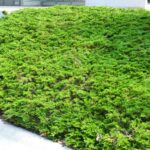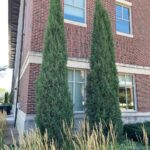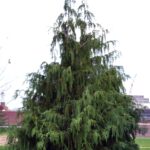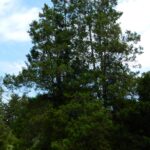

Platycladus orientalis
Oriental Arborvitae

Previously known as:  Thuja orientalis
 Plant Type:
 Growth Forms:
 Hardiness:
 Deciduous / Evergreen:
 Foliage Notes:
Green (Spring/summer/fall); Bronze (Turns dull brown to bronze in winter, depending on variety)
 Fruit Notes:
Brown
 Ultimate Height:
18-25 feet
 Ultimate Spread:
10-15 feet
 Light Requirements:
 Soil Notes:
Best in at least fairly moist soils
 Range:
Korea, Northern China
 Diagnostic Characteristics:
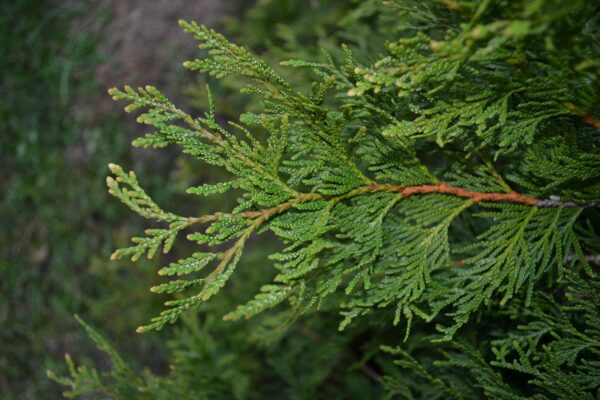
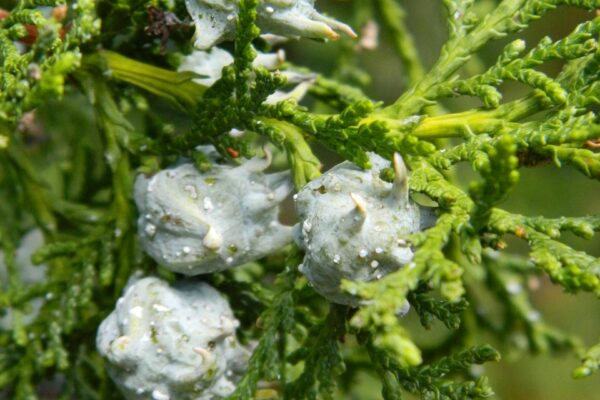
Scale-like leaves smaller (0.06-0.08" long) than Thuja and lack a visible waxy coating. Leaves more adpressed on lateral branchlets, and more free and spreading on leading shoots. No conspicuous leaf gland as in Thuja occidentalis. Branchlets are flattened, vertical, and somewhat parallel. Cone scales have distinct hooks at the bottom (unlike Thuja).

Additional Information

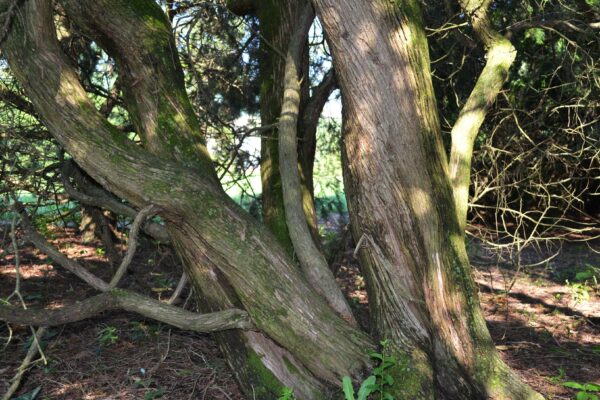
Best in at least fairly moist soils, and with fairly high humidity. Habit tends toward becoming thinner (open) with age. Subject to "winter-burn" near the edge of its useful range. Certain forms provide very positive accent, but can be over-used. Bagworms can also be a problem.
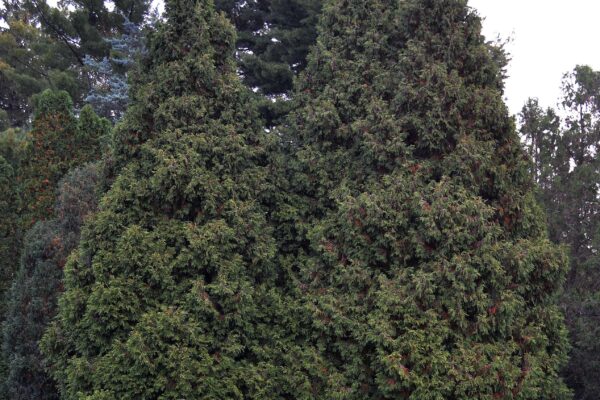
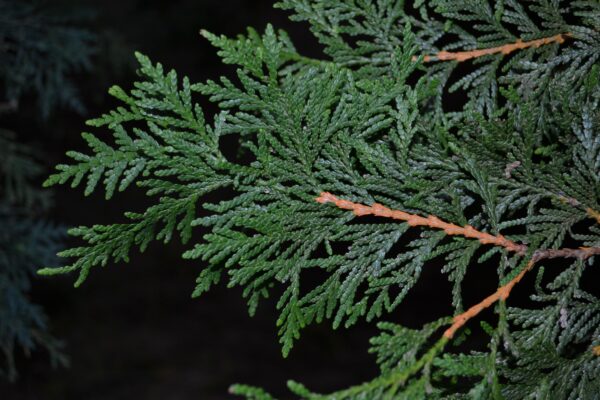
When Platycladus orientalis has been observed flowering or fruiting at Purdue University

No Flowering Observations Available

Fruiting

JanFebMarAprMayJunJulAugSepOctNovDec

17 Platycladus orientalis found

Building Map...

Loading...
= Heritage plant = Memorial plant
Number Accession ID Location
12009_13391*AHORTPARK
22026_00018*AUNIV
32026_00018*BUNIV
42026_00018*CUNIV
52026_00018*FUNIV
62026_00018*GUNIV
72026_00018*HUNIV
82026_00018*IUNIV
92026_00018*JUNIV
102026_00022*GUNIV
112026_00022*HUNIV
122026_00022*FUNIV
132026_00022*AUNIV
142026_00022*BUNIV
152026_00022*CUNIV
162026_00022*DUNIV
172026_00022*EUNIV

The Purdue Arboretum is a collaboration between the Department of Horticulture and Landscape Architecture and Physical Facilities Grounds Department

Purdue Arboretum, 625 Agriculture Mall Dr, West Lafayette, IN, 47907
© 2026 Purdue UniversityAn equal access/equal opportunity universityCopyright ComplaintsMaintained by Purdue Arboretum Explorer
Contact Purdue Arboretum at arboretum@purdue.edu for accessibility issues with this page | Accessibility Resources | Contact Us